Cheap flights to Morocco March: Smart Ways UK Traveller 2026
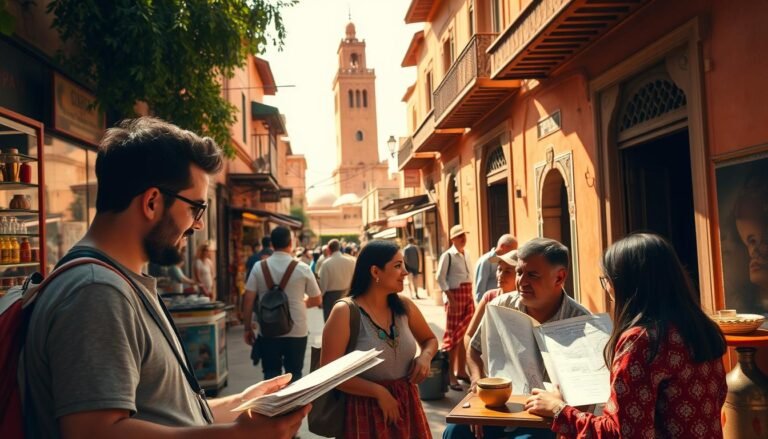
Have you ever dreamed of wandering through vibrant souks filled with spices, leather goods, and handwoven carpets while the scent of orange blossoms fills the air? Marrakech, Morocco’s red-hued imperial city, offers travelers an intoxicating blend of ancient traditions and modern luxury that captivates visitors from around the world.
Table of Contents
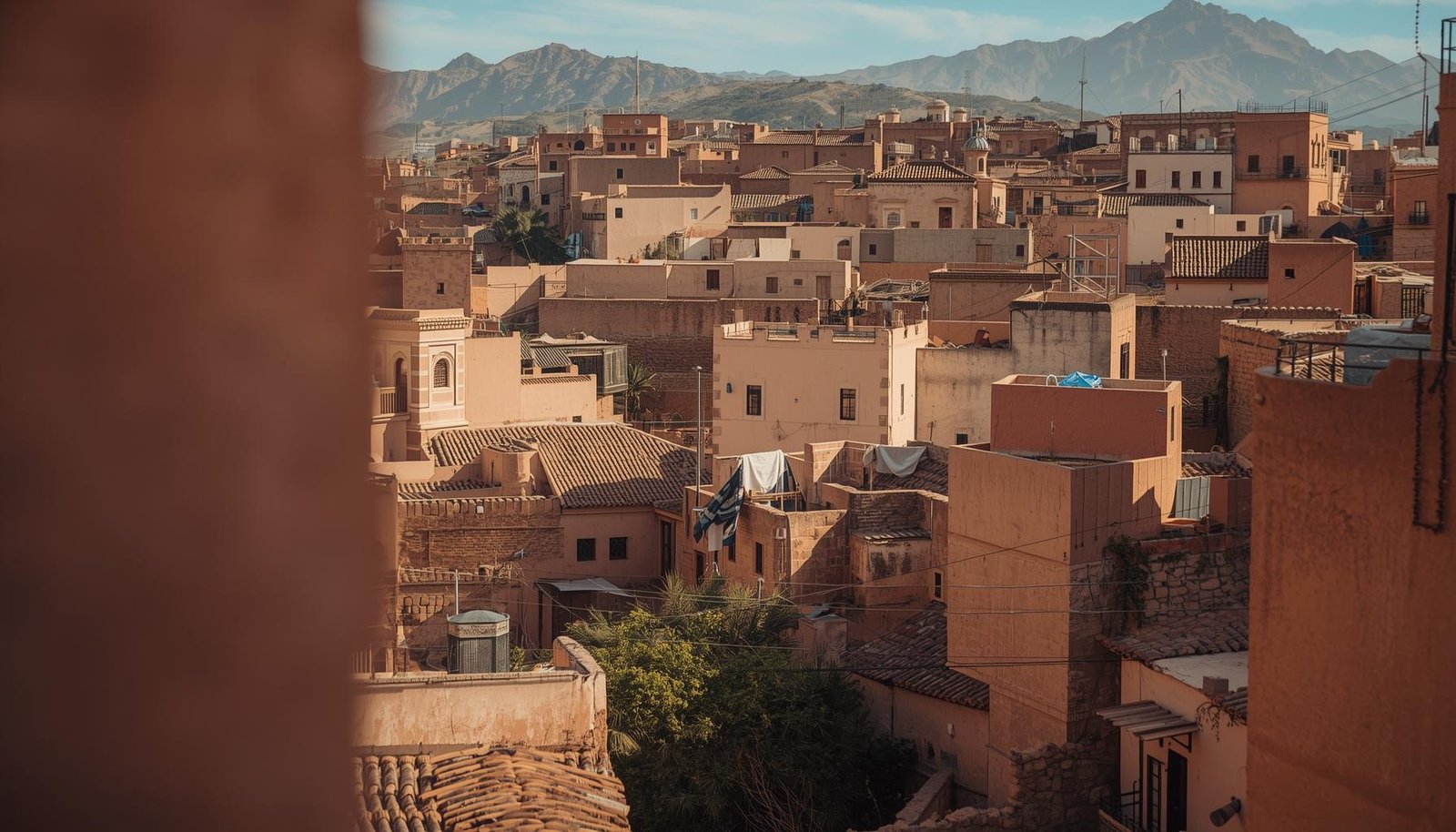
Whether you’re seeking architectural wonders, culinary adventures, or cultural immersion, Marrakech delivers unforgettable experiences at every turn. With Cheap flights to Morocco March and budget Morocco flights spring becoming increasingly available, there’s never been a better time to explore this enchanting destination that serves as the perfect gateway to Morocco’s diverse landscapes and rich heritage.
Why Visit Marrakech
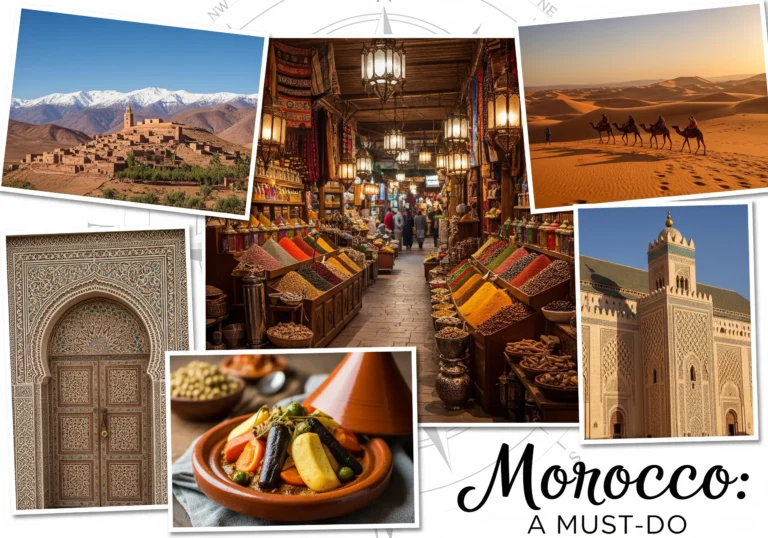
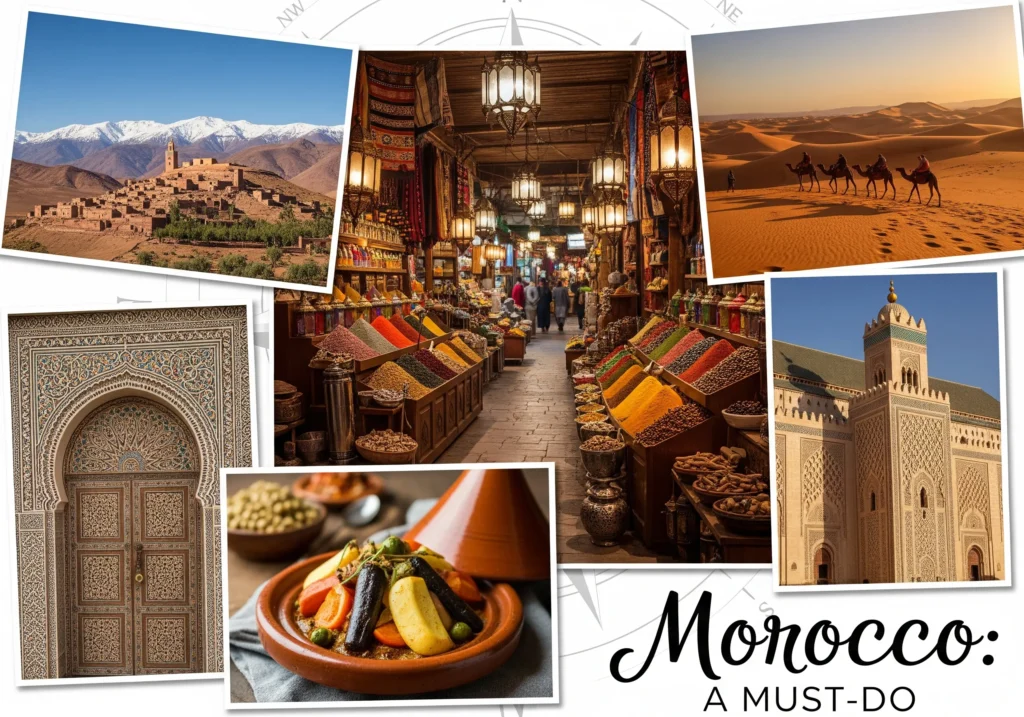
Marrakech stands as one of Morocco’s most captivating destinations, offering travelers a comprehensive Moroccan experience within a single city. This ancient imperial capital presents countless reasons to add it to your travel bucket list:
Architectural and Historical Landmarks:
– The Koutoubia Mosque with its 77-meter minaret that dominates the city skyline
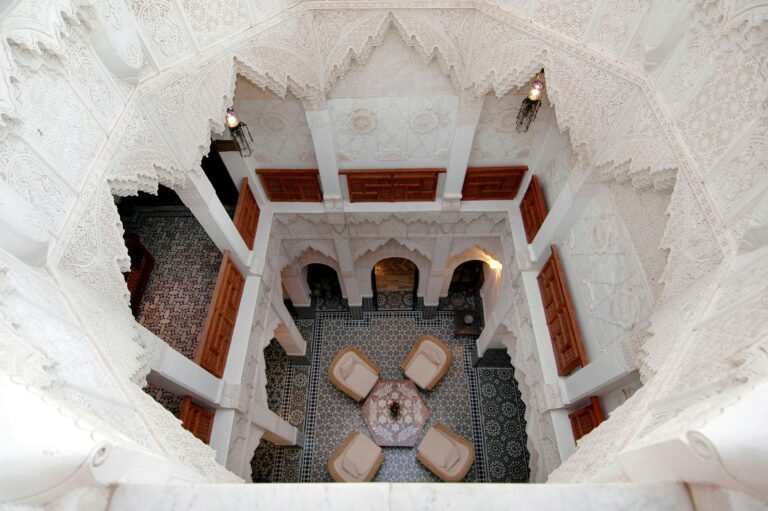
– Bahia Palace, featuring stunning Islamic architecture with intricate tile work and tranquil gardens
– El Badi Palace ruins that whisper tales of Morocco’s glorious past
– Saadian Tombs, rediscovered in 1917, showcase exquisite 16th-century craftsmanship
– The vibrant Jemaa el-Fnaa square, a UNESCO World Heritage site and the beating heart of Marrakech
Cultural Experiences:
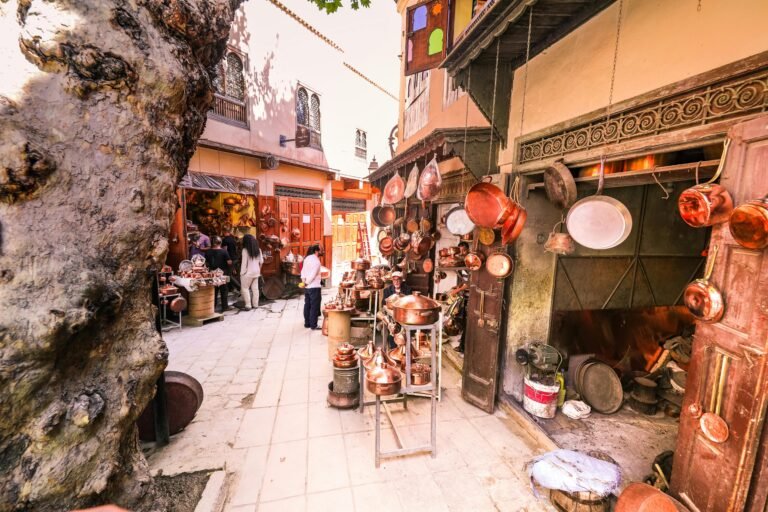
– Explore the labyrinthine souks selling everything from Moroccan lamps to traditional babouches (leather slippers)
– Experience traditional hammam spa treatments that have been practiced for centuries
– Watch skilled artisans at work in the tanneries, metalworking shops, and textile workshops
– Enjoy spectacular sunset views from rooftop terraces overlooking the medina
– Witness snake charmers, storytellers, and musicians performing in Jemaa el-Fnaa
Culinary Delights:
– Sample authentic tagines cooked slowly in traditional clay pots
– Taste freshly baked msemen (Moroccan pancakes) with honey and butter
– Sip traditional mint tea in atmospheric riads
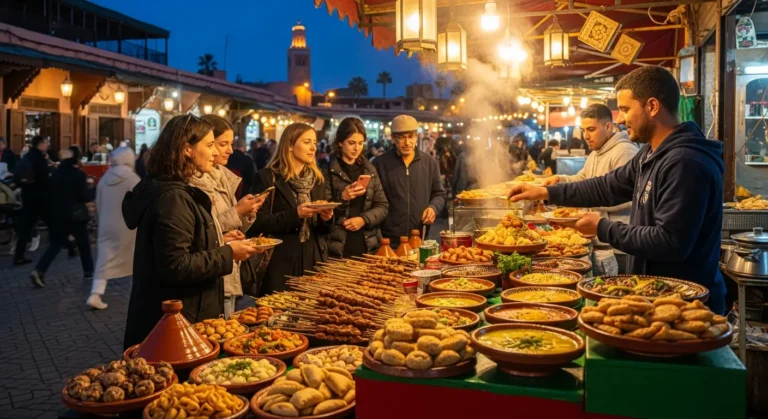
– Explore food stalls offering grilled meats, snail soup, and fresh orange juice
– Take cooking classes to learn the secrets of Moroccan cuisine
Unique Activities:
– Visit the tranquil Majorelle Garden, once owned by Yves Saint Laurent
– Experience a hot air balloon ride over the Palmeraie at sunrise
– Take day trips to the Atlas Mountains for hiking and Berber village visits
– Enjoy quad biking or camel rides in the Agafay Desert
– Relax in luxury spas offering traditional and modern wellness treatments
Optional Experiences:
– Attend a traditional Fantasia horse show
– Visit contemporary art galleries in the Gueliz neighborhood
– Explore the Secret Garden (Le Jardin Secret) for peaceful contemplation
– Take photography tours through the medina’s most photogenic corners
– Experience Moroccan cooking workshops in traditional settings
Best Time to Visit
Understanding Marrakech’s seasonal patterns will help you maximize your travel experience and budget:
Spring (March-May) – Peak Season:
Spring represents the absolute best time to visit Marrakech. March through May offers ideal weather conditions with temperatures ranging from 20°C to 28°C (68°F to 82°F). The city comes alive with blooming flowers, particularly in the gardens and parks. This period sees moderate tourist numbers compared to winter, though prices remain relatively elevated. Expect to pay premium rates for accommodations, typically 20-30% higher than low season.
Summer (June-August) – Low Season:
Summer brings intense heat, with temperatures frequently exceeding 38°C (100°F). However, this season offers significant advantages for budget travelers, including reduced hotel rates (often 40-50% lower), fewer crowds, and excellent availability at popular restaurants and attractions. If you can tolerate the heat and plan indoor activities during peak afternoon hours, summer provides exceptional value.
Autumn (September-November) – Shoulder Season:
September and early October still experience warm temperatures, while late October through November offers comfortable weather similar to spring. This period presents a sweet spot with moderate prices and pleasant conditions. Tourist numbers increase in November as travelers seek to escape colder climates.
Winter (December-February) – Peak Season:
Winter attracts large numbers of European visitors escaping harsh northern winters. Daytime temperatures hover around 18-20°C (64-68°F), perfect for exploration, though nights can drop to 5-8°C (41-46°F). December through February sees the highest accommodation prices and most crowded attractions. Book well in advance if traveling during this period.
Travel Cost Comparisons:
– Budget travelers: $40-60 per day (summer) vs. $60-80 per day (peak season)
– Mid-range travelers: $100-150 per day (summer) vs. $150-200 per day (peak season)
– Luxury travelers: $300+ per day year-round, with premium experiences available at all times
Step-by-Step Travel Guide
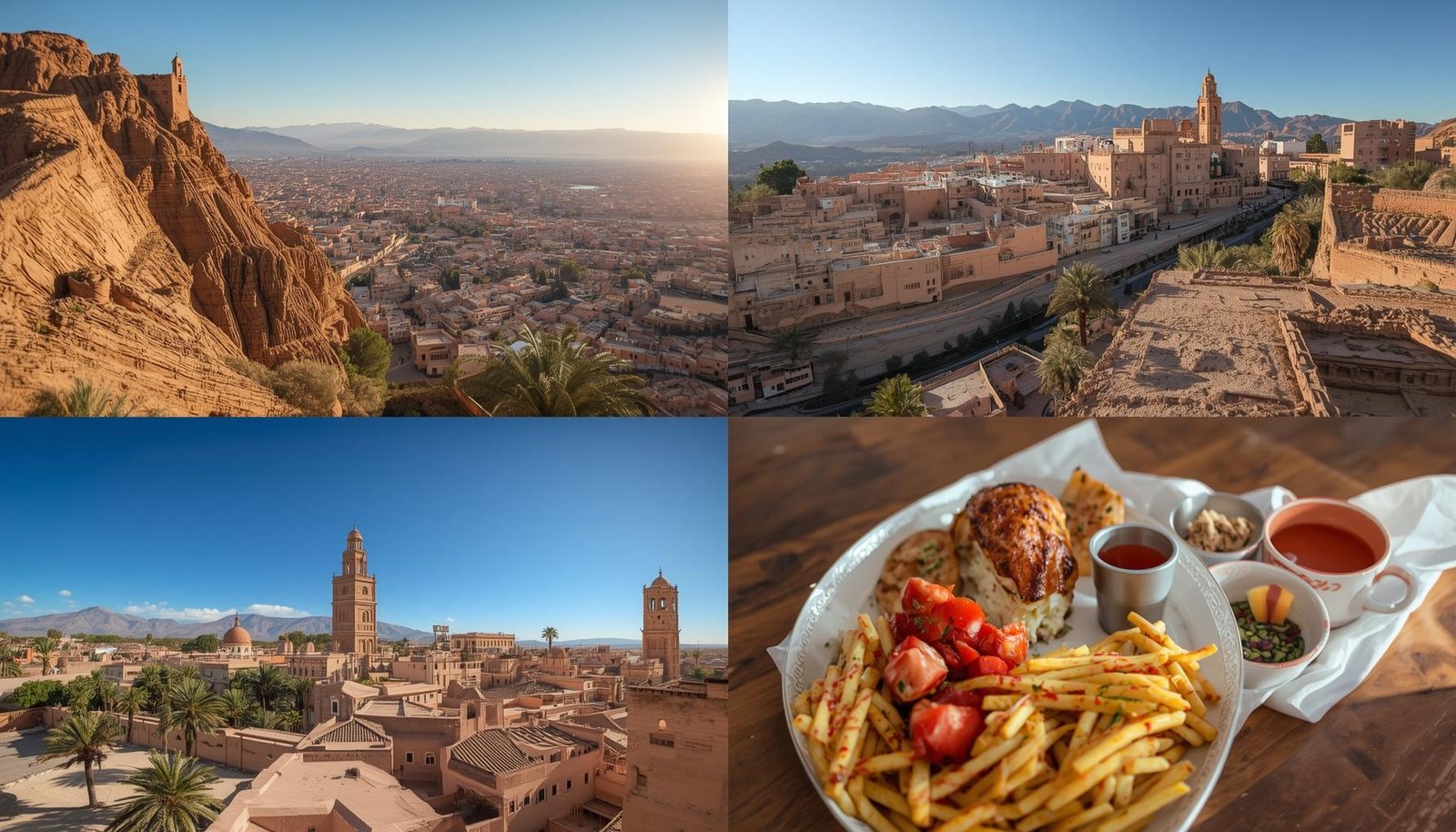
Follow this comprehensive guide to plan your perfect Marrakech adventure:
Step 1: Book Your Flights Early
Begin by securing your flights at least 3-4 months in advance for the best rates. Compare prices across multiple platforms and consider flying midweek (Tuesday or Wednesday) for lower fares. Taking advantage of Cheap flights to Morocco March and budget Morocco flights spring can save hundreds of dollars on airfare. Set up price alerts to monitor fare fluctuations and book when you spot a good deal.
Step 2: Secure Accommodation
Choose your neighborhood based on your travel style. The Medina offers authentic atmosphere but can be noisy and difficult to navigate with luggage. Gueliz and Hivernage provide modern amenities and easier access. Book traditional riads for an authentic experience, ensuring they’re located near major landmarks. Read recent reviews carefully and confirm that your accommodation provides airport transfer services or detailed arrival instructions.
Step 3: Arrange Airport Transfer
Marrakech Menara Airport sits about 6 kilometers from the city center. Pre-book a private transfer through your hotel (typically €15-25) or arrange a reputable taxi. Avoid unofficial taxis outside the terminal. Alternatively, use the airport bus (Line 19) for budget-friendly transport, though it requires walking through the medina with luggage.
Step 4: Plan Your Daily Itinerary
Organize your visit to avoid backtracking and maximize time:
– Day 1: Jemaa el-Fnaa, Koutoubia Mosque, and souk exploration
– Day 2: Bahia Palace, El Badi Palace, and Saadian Tombs
– Day 3: Majorelle Garden, Yves Saint Laurent Museum, and Gueliz neighborhood
– Day 4: Day trip to Atlas Mountains or Essaouira
– Day 5: Hammam experience, cooking class, or desert excursion
Step 5: Download Essential Apps
Install these helpful applications before arrival:
– Maps.me or Google Maps with offline maps downloaded
– XE Currency for real-time exchange rates
– Google Translate with Arabic and French language packs
– Careem or InDriver for reliable taxi services
– TripAdvisor for restaurant reviews and recommendations
Step 6: Prepare Culturally Appropriate Clothing
Pack modest clothing that covers shoulders and knees, especially for visiting mosques and conservative areas. Bring comfortable walking shoes for navigating cobblestone streets, a hat and sunscreen for sun protection, and layers for temperature variations between day and night.
Step 7: Exchange Currency Strategically
Exchange small amounts at the airport for immediate needs, then use ATMs in the city for better rates. Notify your bank of travel dates to avoid card blocks. Carry cash in smaller denominations (20, 50, and 100 dirham notes) as many vendors cannot break large bills.
Step 8: Hire a Licensed Guide
For your first day in the medina, consider hiring an official guide through your hotel or tourist office. This investment (typically 300-400 MAD for half-day) helps you navigate efficiently, understand cultural context, and avoid common tourist traps. Guides also help negotiate fair prices in souks.
Benefits / Travel Experience Advantages
Visiting Marrakech provides numerous advantages that extend beyond typical tourist experiences:
Cultural Immersion:
Marrakech offers authentic cultural encounters that connect you with centuries-old traditions. Unlike many tourist destinations where culture feels manufactured, Marrakech maintains genuine daily practices. You’ll witness real life unfolding in the medina—children playing in alleys, women shopping for vegetables, craftsmen perfecting their trades—creating meaningful cross-cultural understanding.
Affordable Luxury:
Morocco delivers exceptional value for money, particularly in Marrakech where your budget stretches considerably further than European destinations. Five-star riads with private pools, personal staff, and gourmet dining cost a fraction of equivalent Western accommodations. Spa treatments, fine dining, and luxury experiences become accessible even for mid-range budgets.
Gateway to Diverse Experiences:
Marrakech’s central location makes it the perfect base for exploring Morocco’s varied landscapes. Within a few hours, you can reach the Atlantic coast, snow-capped Atlas Mountains, Sahara Desert, or historic cities like Fes and Essaouira. This diversity allows you to craft a multifaceted journey without excessive travel time.
Year-Round Sunshine:
Even during winter months, Marrakech enjoys abundant sunshine and pleasant daytime temperatures. This consistent weather reliability means you can plan outdoor activities confidently, particularly valuable for travelers escaping grey northern climates.
Photographic Opportunities:
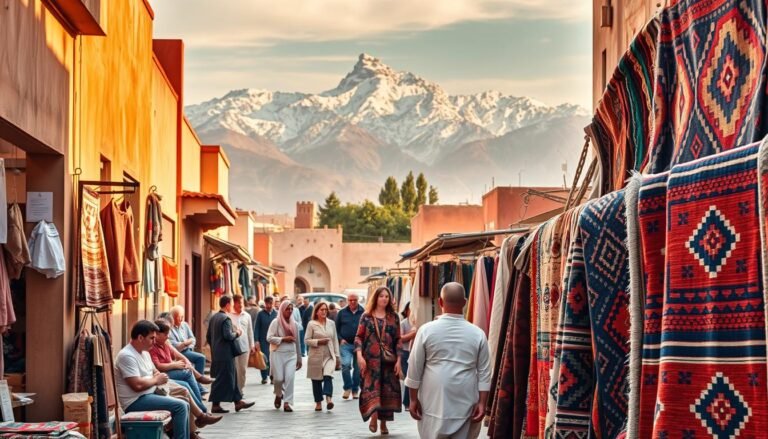
Every corner of Marrakech presents visual splendor—from geometric zellige tilework to vibrant textile displays, dramatic architecture, and colorful street scenes. Photographers find endless inspiration, whether capturing architectural details, portrait photography in the souks, or landscape shots in surrounding areas.
Personal Growth Through Adventure:
Navigating Marrakech’s chaotic souks, bargaining for purchases, and communicating across language barriers builds confidence and cultural competence. These challenges, while initially overwhelming, provide rewarding personal development opportunities that extend beyond the vacation itself.
Tips, Alternative Ways to Explore, or Travel Advice
Customize your Marrakech experience based on your travel style, budget, and interests:
For Luxury Travelers:
Stay in prestigious riads like La Mamounia or Royal Mansour, where rooms start at €500 per night but include exceptional service and amenities. Book private guided tours with expert historians, enjoy private dining experiences in palaces, arrange helicopter tours over the Atlas Mountains, and indulge in multi-day spa packages. Consider hiring a personal photographer to capture your journey professionally.
For Budget-Conscious Travelers:
Choose hostels or budget riads (€15-30 per night), eat at local restaurants and food stalls rather than tourist-oriented establishments, walk or use local buses instead of taxis, join free walking tours, and visit free attractions like Jemaa el-Fnaa, public gardens, and architectural exteriors. Shop at the municipal market for authentic prices without tourist markup.
For Family Travelers:
Book spacious riads with family rooms and private pools, visit child-friendly attractions like the Oasiria Water Park, take gentle camel rides in the Palmeraie, explore interactive museums, and arrange shorter walking tours with plenty of breaks. Many riads offer babysitting services, allowing parents occasional couple time.
For Solo Travelers:
Join group tours and cooking classes to meet fellow travelers, stay in social riads or hostels with communal areas, use reputable taxi apps for safety, inform your accommodation of daily plans, and trust your instincts when navigating the medina. Solo travel in Marrakech is generally safe but requires normal urban precautions.
For Adventure Seekers:
Combine your city visit with Atlas Mountains trekking, mountain biking tours, quad biking in Agafay Desert, rock climbing excursions, paragliding experiences, or multi-day desert camping trips. Several operators offer adventure packages combining cultural and active elements.
Visiting During Ramadan:
Ramadan presents unique opportunities and challenges. Many restaurants close during daylight hours, but you’ll experience authentic cultural traditions, evening iftar celebrations, and special Ramadan markets. Streets become lively after sunset with festive atmospheres. Respect fasting hours by eating discretely and dress more conservatively than usual.
Self-Guided vs. Guided Exploration:
Self-guided exploration offers flexibility and authentic discovery but requires patience navigating the medina’s maze-like streets. Download detailed maps, allow extra time for getting lost (part of the charm), and embrace spontaneous encounters. Guided tours provide historical context, efficient routing, and local insights but follow fixed schedules and group dynamics.
Common Travel Mistakes to Avoid
Learn from others’ experiences by avoiding these frequent errors:
Mistake 1: Accepting “Free” Guide Services
The Problem: Unofficial guides approach tourists offering “help” navigating the medina, then demand payment or pressure you into shops where they receive commissions.
The Solution: Politely but firmly decline unsolicited assistance. If you want a guide, hire one through your hotel or the official tourist office. Say “La, shukran” (No, thank you) and keep walking confidently.
Mistake 2: Paying First-Price in Souks
The Problem: Vendors initially quote prices 3-5 times higher than what they’ll accept, and tourists unfamiliar with bargaining pay inflated amounts.
The Solution: Research approximate prices beforehand, expect to negotiate to 40-60% of the initial quote, be prepared to walk away (vendors often call you back with better prices), and maintain friendly but firm demeanor during negotiations.
Mistake 3: Wearing Inappropriate Clothing
The Problem: Revealing clothing attracts unwanted attention, offends local sensibilities, and prevents entry to religious sites.
The Solution: Pack modest clothing covering shoulders and knees. Women should bring a scarf for covering hair when visiting mosques. Dress respectfully while staying comfortable in the heat.
Mistake 4: Drinking Tap Water
The Problem: Morocco’s tap water isn’t recommended for foreign visitors, potentially causing digestive issues that ruin your trip.
The Solution: Drink only bottled water, use it for brushing teeth, avoid ice in drinks unless you’re certain it’s made from purified water, and be cautious with raw vegetables that may have been washed in tap water.
Mistake 5: Not Learning Basic Arabic/French Phrases
The Problem: English isn’t widely spoken outside tourist areas, leading to communication challenges and missed opportunities for authentic interactions.
The Solution: Learn essential phrases: “Salam” (hello), “Shukran” (thank you), “B’shhal?” (how much?), “La” (no), and “Afak” (please). Moroccans appreciate efforts to speak their language, even imperfectly.
Mistake 6: Booking Accommodations Too Far from the Action
The Problem: Cheap hotels in distant neighborhoods require expensive daily taxi rides and waste valuable travel time.
The Solution: Prioritize location over amenities. A modest riad near Jemaa el-Fnaa provides better value than a distant resort, saving transport costs and maximizing exploration time.
Mistake 7: Underestimating Medina Navigation Difficulty
The Problem: The medina’s 1,000+ narrow alleys confuse even experienced travelers, leading to frustration and wasted time.
The Solution: Download offline maps, take photos of landmarks for reference, ask shopkeepers for directions (they’re helpful), and remember that getting lost is part of the adventure—you’ll discover hidden gems.
Mistake 8: Exchanging Money at Hotels
The Problem: Hotel exchange rates include significant markups, reducing your spending power.
The Solution: Use official exchange bureaus or ATMs in the city for competitive rates. ATMs typically offer the best rates with minimal fees.
Mistake 9: Skipping Travel Insurance
The Problem: Medical emergencies, trip cancellations, or lost luggage can cost thousands without coverage.
The Solution: Purchase comprehensive travel insurance covering medical emergencies, trip interruption, and lost belongings. Verify it covers Morocco specifically and includes adventure activities if planned.
Mistake 10: Overpacking Your Itinerary
The Problem: Attempting to see everything creates exhausting schedules that prevent meaningful experiences and cultural absorption.
The Solution: Focus on 2-3 major activities daily, allowing time to wander spontaneously, enjoy leisurely meals, and rest during hot afternoon hours. Quality experiences trump quantity.
Accommodation & Practical Information
Where to Stay:
Medina (Old City):
The atmospheric heart of Marrakech offers traditional riads—converted mansions built around central courtyards. Advantages include authentic ambiance, proximity to major attractions, and architectural beauty. Disadvantages include difficult access for vehicles, potential noise from nearby mosques, and variable WiFi. Budget riads start around €30, mid-range €60-120, luxury €200+.
Gueliz (New City):
Modern Marrakech features international hotels, restaurants, and shopping. Benefits include reliable amenities, easier navigation, and contemporary comforts. Drawbacks include less authentic atmosphere and distance from historical sites. Prices range from €40 (budget) to €150+ (luxury).
Palmeraie:
Resort area north of the city offers luxury hotels with pools, golf courses, and spa facilities. Perfect for relaxation but requires taxi transport to city attractions. Expect to pay €100-500+ per night.
Transport Options:
Within Marrakech:
– Petit Taxis: Small taxis (usually beige) serve city center, metered but drivers often prefer negotiated fares. Expect 20-40 MAD for most trips.
– Calèches: Horse-drawn carriages offer romantic transportation (negotiate price beforehand, typically 100-150 MAD per hour).
– Walking: Best way to explore the compact medina, though prepare for long walks.
– Bicycle Rental: Available from some hotels, suitable for Gueliz and Palmeraie but challenging in medina traffic.
Day Trips:
– Private Drivers: Most flexible option, typically 600-800 MAD for day trips to Atlas Mountains or Essaouira.
– Shared Tours: Budget-friendly group excursions (200-400 MAD) with fixed schedules.
– Rental Cars: Available but not recommended for first-time visitors due to chaotic traffic.
Local Customs:
– Greetings: Right-hand handshakes are standard. Close friends exchange cheek kisses (men with men, women with women).
– Hospitality: Moroccans offer tea frequently—accepting shows respect for their hospitality.
– Photography: Always ask permission before photographing people, particularly women. Expect some requests for tips.
– Tipping: Service staff rely on tips (10-15% in restaurants, 10-20 MAD for hotel porters, 5-10 MAD for taxi drivers).
– Friday: Holy day when some businesses close or reduce hours, particularly around midday prayers.
Safety Tips:
Marrakech remains generally safe for tourists, but observe these precautions:
– Safeguard valuables using hotel safes and anti-theft bags in crowded areas
– Avoid walking alone in isolated areas after midnight
– Stay alert for pickpockets in crowded souks and Jemaa el-Fnaa
– Use official taxis or reputable apps rather than unmarked vehicles
– Keep copies of passport and important documents separate from originals
– Register with your embassy before traveling
Currency & Money:
Morocco uses the Moroccan Dirham (MAD). As of 2024, exchange rates approximate:
– 1 USD = 10 MAD
– 1 EUR = 11 MAD
– 1 GBP = 13 MAD
Cash remains essential as many small businesses don’t accept cards. Major credit cards work at hotels, upscale restaurants, and tourist-oriented shops. Inform your bank of travel dates to prevent card blocks.
Essential Travel Information:
– Visa Requirements: Many nationalities receive visa-free entry for 90 days (verify your specific country’s requirements).
– Electricity: 220V, European two-pin plugs (bring appropriate adapters).
– Language: Arabic and French are official languages. English spoken in tourist areas but limited elsewhere.
– Health: No vaccinations required but ensure routine immunizations are current. Bring prescription medications in original packaging.
– Emergency Numbers: Police 19, Ambulance 15, Fire 15
– Internet: WiFi available at most accommodations, cafes, and restaurants, though speeds vary.
Conclusion
Marrakech stands as Morocco’s most accessible and captivating destination, offering travelers an unforgettable blend of ancient culture, stunning architecture, sensory experiences, and warm hospitality. From wandering the labyrinthine souks filled with handcrafted treasures to savoring authentic tagines in atmospheric riads, from exploring magnificent palaces to bargaining for colorful textiles, every moment in this imperial city creates lasting memories. The combination of affordability, year-round pleasant weather, and proximity to diverse landscapes makes Marrakech an ideal choice for first-time visitors to Morocco and seasoned travelers alike.
Whether you’re drawn by the architectural splendor, the vibrant culture, the culinary adventures, or simply the promise of something entirely different from your daily routine, Marrakech delivers experiences that transform ordinary vacations into extraordinary journeys. With Cheap flights to Morocco March and budget Morocco flights spring making travel more accessible than ever, there’s no better time to plan your Moroccan adventure.
Start researching your dates, comparing flight options, and imagining yourself sipping mint tea on a rooftop terrace as the call to prayer echoes across the city. Marrakech awaits with its red walls, vibrant souks, fragrant gardens, and timeless charm. Don’t just dream about Morocco—make it your next destination and create stories you’ll share for years to come.
Have you visited Marrakech before? Share your experiences and top tips in the comments below! And if you found this guide helpful, explore our other Morocco travel posts for comprehensive destination guides across this magnificent country.
FAQs
Q1: How many days should I spend in Marrakech?
A minimum of 3-4 days allows you to explore major attractions without rushing. Five to seven days provides time for day trips to the Atlas Mountains, Essaouira, or desert excursions while still enjoying the city itself. First-time visitors typically find 4-5 days ideal for balancing city exploration with one or two excursions.
Q2: Is Marrakech safe for solo female travelers?
Yes, Marrakech is generally safe for solo female travelers who take reasonable precautions. Dress modestly (covering shoulders and knees), stay in reputable accommodations, use official taxis or apps like Careem, avoid isolated areas late at night, and trust your instincts. Many solo women travel Morocco successfully, though you may experience occasional unwanted attention that firm but polite responses typically resolve.
Q3: How much money should I budget for a week in Marrakech?
Budget travelers can manage on $40-60 per day (€280-420 weekly) staying in hostels, eating street food, and using public transport. Mid-range travelers should budget $100-150 daily (€700-1,050 weekly) for comfortable riads, restaurant meals, and occasional tours. Luxury travelers should expect $300+ daily (€2,100+ weekly) for premium accommodations, fine dining, and private experiences. These estimates exclude international flights.
Q4: Can I drink alcohol in Marrakech?
Yes, alcohol is available but more restricted than Western countries. Licensed hotels, tourist restaurants, and some specialty shops sell alcohol. Drinking in public spaces is prohibited and culturally inappropriate. Many riads and upscale establishments serve alcohol, though prices are relatively high due to taxation. Respect local customs by consuming alcohol discreetly and never in public view.
Q5: What’s the best way to get from Marrakech to the Sahara Desert?
The Sahara Desert lies approximately 560 kilometers from Marrakech, requiring at least a 2-day/1-night trip (ideally 3-day/2-night). Options include joining organized group tours (most budget-friendly at 600-1,200 MAD), booking private tours with personal drivers (1,500-3,000 MAD), or renting vehicles for self-drive adventures (recommended only for experienced drivers). All routes pass through spectacular Atlas Mountains and include overnight stays in desert camps with camel riding experiences.