Morocco Weather February: It’s the Best Time to Visit in 2026
Okay, so picture this: your friends are back home scraping ice off their windshields and you’re lounging in a sun-drenched riad, sipping mint tea, and planning whether to hit the beach or the desert tomorrow. That’s Morocco in February, and honestly? It’s kind of a travel cheat code.
Here’s the deal—February is what travel nerds call “shoulder season,” which basically means it’s that magical time when everything’s just right. The Morocco weather February sits in this sweet spot between winter and spring, giving you temps around 15°C to 22°C (that’s 59°F–72°F for my fellow Americans). Plus, way fewer tourists, and your hotel won’t cost you an arm and a leg.
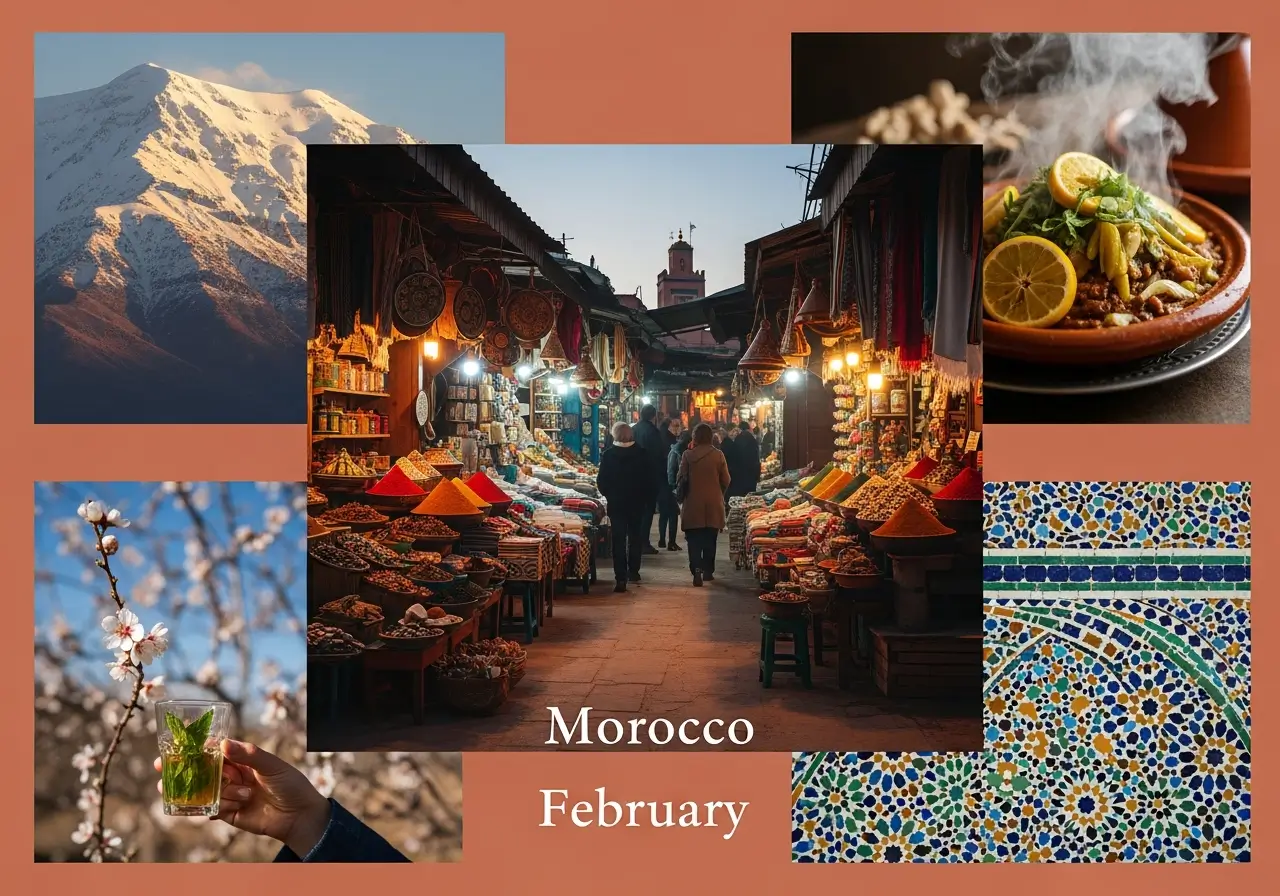
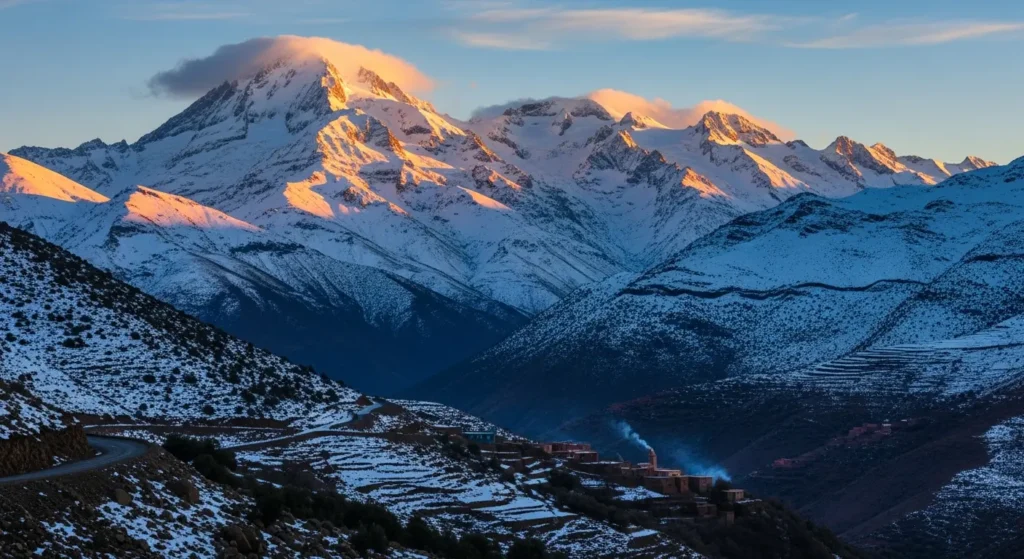
But wait, it gets better. This is literally the only time you can ski in the morning and camp in the Sahara Desert by nightfall. Snow-capped mountains AND golden sand dunes in one trip? Yeah, Morocco’s showing off.
So is February a good time to visit Morocco? Um, yes. A thousand times, yes.
Table of Contents
Morocco Weather February: Where to Go by Region
Here’s the thing about weather in Morocco—this country’s got like four different climates happening at once. You’ve got beaches, mountains, deserts, and ancient cities all doing their own thing. Let me break it down for you.
Morocco Weather February on the Coast: Warm(ish) and Breezy
Agadir is basically Morocco’s answer to “where can I get some sun?” It’s the warmest spot you’ll find in February, hitting about 22°C (72°F) during the day. The beaches are gorgeous, the promenade’s got that chill vibe, and you’ll actually get a tan.
Now, before you pack your bikini expecting Caribbean waters, let me stop you right there. The Atlantic Ocean in February? It’s sitting at a brisk 15°C–18°C (59°F–64°F). Unless you’re part polar bear or you’ve got a wetsuit, you’re probably gonna dip your toes in and nope right back out. But hey, the beach walks are incredible, and there are plenty of cafes where you can pretend you’re about to go swimming while sipping a coffee.
Essaouira is this artsy coastal town that surfers and hippies love. It’s a bit cooler (12°C–18°C) and windier than Agadir, but the blue-and-white medina is chef’s kiss. Just bring a jacket because those Atlantic winds don’t mess around.
Casablanca is more about modern Morocco than beach life. The Morocco temperature February here hovers between 10°C and 17°C (50°F–63°F). Go see the massive Hassan II Mosque—it’s right on the water and looks especially dramatic against February’s moody clouds.
Morocco Weather February in the Interior: Perfect Medina Weather
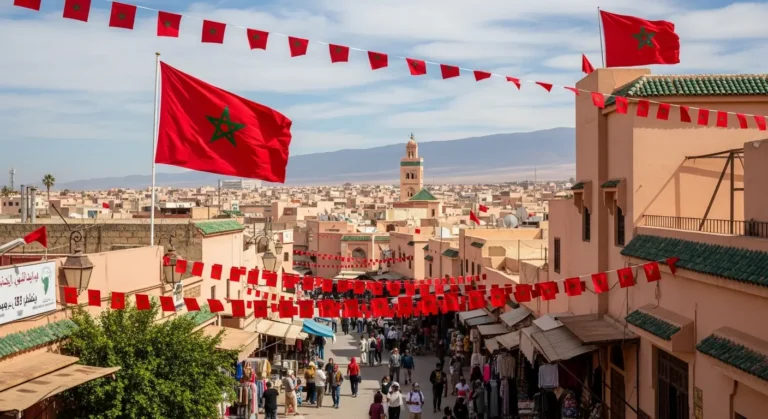
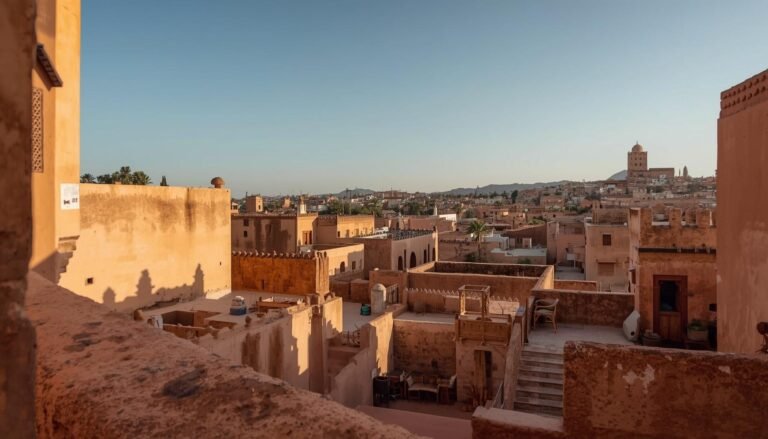
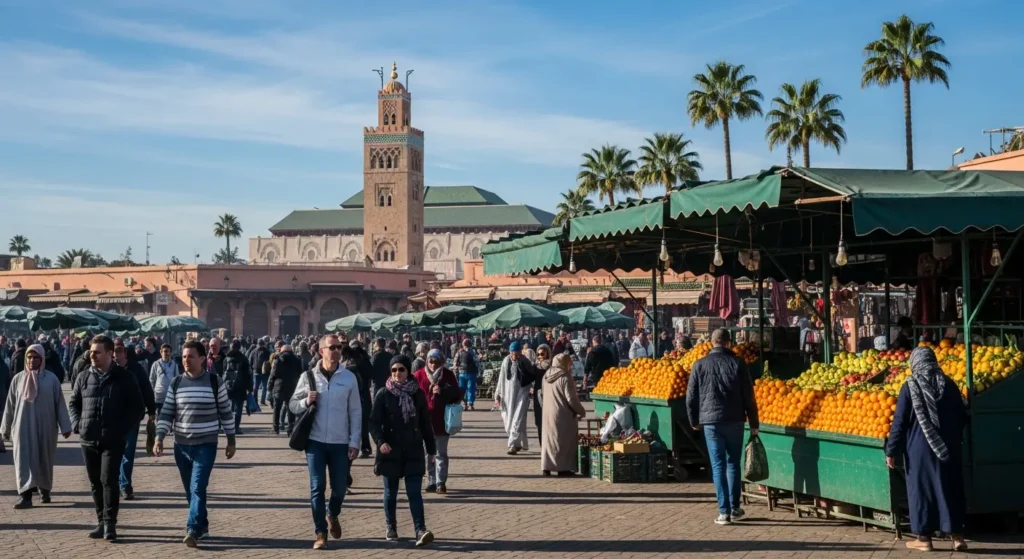
Marrakech in February? Absolute dream. You know how everyone complains about how hot Marrakech gets? Well, in February, you get all the magic without melting. We’re talking 17°C to 20°C (63°F–68°F) during the day—perfect for wandering through the souks without feeling like you’re in a sauna.
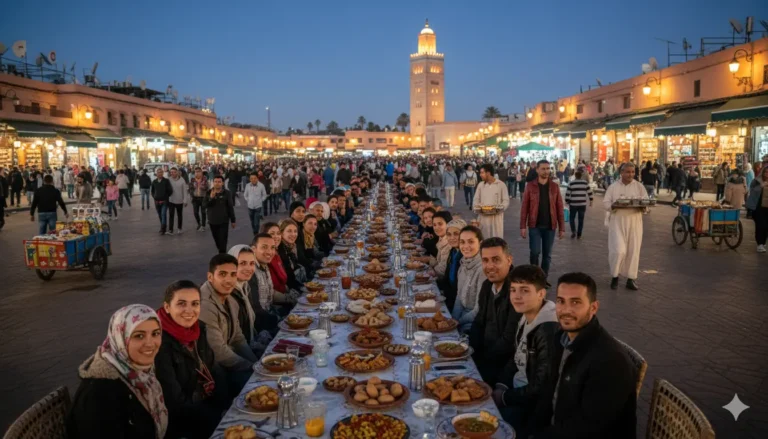
Jemaa el-Fnaa square actually becomes enjoyable again. You can watch the snake charmers and street performers without your main goal being “find shade immediately.” The gardens (Majorelle, Menara, all of them) are stunning, and you can actually walk around without sweating through your shirt.
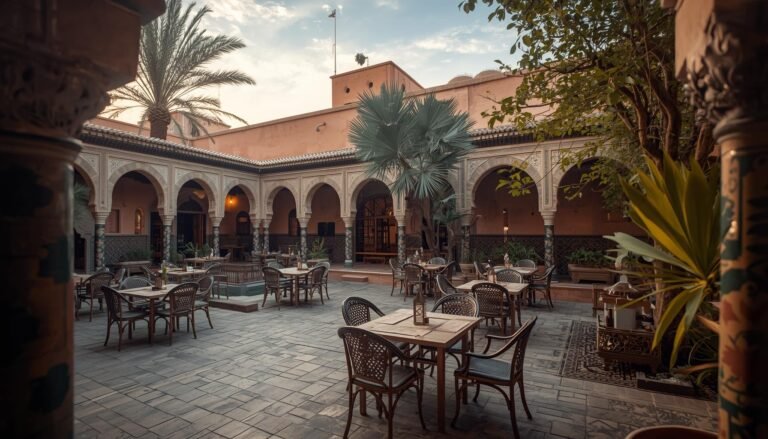
Evenings drop to about 8°C–10°C (46°F–50°F), which is honestly perfect for cozying up in a riad courtyard with some tagine. It’s romantic AF.
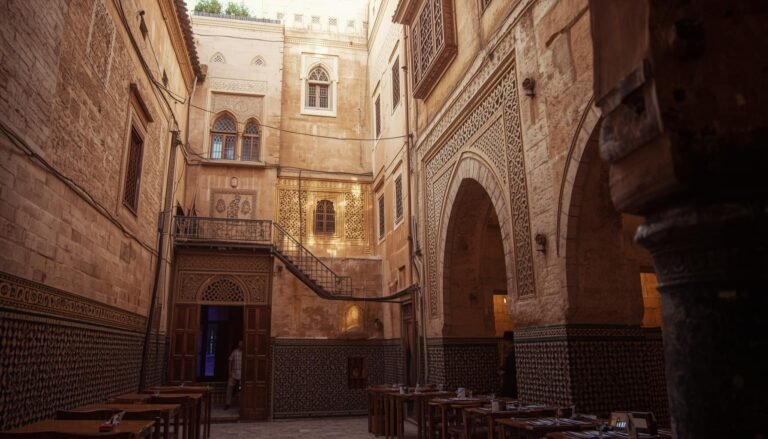
Fes is slightly cooler but similar vibes. The medina—which is the world’s largest car-free zone, by the way—becomes so much easier to navigate when you’re not dodging donkeys and heatstroke. Mornings can start chilly (around 5°C), but by lunchtime, you’re peeling off layers.
The Sahara: When Physics Gets Wild
Okay, so the Sahara Desert in February is where things get interesting. During the day, especially around Merzouga, it can hit 25°C (77°F). Super pleasant for camel rides and pretending you’re in a movie.
But here’s where it gets crazy—and I mean how cold is Morocco in February crazy—once the sun goes down, temperatures absolutely plummet. We’re talking 0°C to 5°C (32°F–41°F), sometimes even colder. This isn’t “oh, I should grab a sweater” cold. This is “I’m wearing every single thing I packed” cold.
The upside? Those freezing desert nights give you the clearest, most insane stargazing you’ll ever see. The Milky Way looks like someone spilled glitter across the sky. Shooting stars everywhere. It’s honestly worth freezing your butt off.
The Atlas Mountains: Yes, There’s Snow in Africa
So this is wild—you can actually ski in Morocco. The Atlas Mountains get legit snow in February, and there’s even a ski resort called Oukaïmeden about 90 minutes from Marrakech.
The whole vibe is surreal. You can literally eat breakfast in sunny, warm Marrakech, drive an hour and a half, and be throwing snowballs by lunch. In Africa. It breaks people’s brains, and I love it.
Morocco Weather February: What to Pack for Every Climate
Real talk: packing for Morocco in February is tricky because you’re basically preparing for multiple seasons at once. But I’ve got you.
Layers Are Your Best Friend
A typical day goes something like this: wake up to 8°C (46°F), warm up to 20°C (68°F) by afternoon, then drop back to 5°C (41°F) by dinner. That’s a 15-degree rollercoaster happening in like 8 hours.
The solution? Layers, layers, Start with a basic tee or tank, add a long-sleeve shirt, throw a fleece or light jacket on top. As the day warms up, you peel stuff off and stuff it in your bag. As the sun sets, you put it all back on. Simple.
Dressing Respectfully (Without Going Overboard)
Morocco’s a Muslim country, and while the tourist areas are pretty chill, dressing modestly is both respectful and practical. You’ll get way better interactions with locals, and honestly, you’ll avoid some annoying situations.
Here’s what you need to know:
- Cover your shoulders and knees, especially at religious sites or in rural areas
- Skip the see-through fabrics (your future self will thank you)
- Leave the super short shorts at home—they’ll just attract unwanted attention and comments you don’t need
For women, this doesn’t mean hiding in a potato sack. Just think loose pants or midi skirts with a normal tee or blouse. Easy.
Pro tip: throw a big scarf in your day bag. Seriously. It blocks sun, keeps you warm, covers your shoulders when needed, works as a blanket on cold buses, and can be spread out for impromptu picnics. It’s like the Swiss Army knife of accessories.
The Stuff You Actually Need to Pack
Shoes:
- Comfy closed-toe shoes for Medina wandering—those cobblestones and occasional donkey poop situations are real
- Hiking boots if you’re doing desert or mountain stuff
- Sport sandals with socks for more casual situations (yes, socks with sandals, we’re going full dad-mode here)
Clothes:
- A puffer jacket for those freezing desert nights
- A fleece or zip-up hoodie for everything else
- A rain jacket because February can get a little drippy
Accessories that’ll save your life:
- Big scarf (already covered this, but seriously)
- Sunglasses (the sun’s still strong, don’t be fooled)
- High SPF sunscreen (trust me on this)
- Hat and gloves if you’re hitting the mountains or desert at night
- Reusable water bottle (staying hydrated is always a move)

The Best Stuff to Do in February
1. Ski in Africa (Yes, Really)
I cannot stress enough how cool this is. Oukaïmeden is Africa’s highest ski resort, sitting at 2,600 meters in the High Atlas. Is it the Swiss Alps? Nope. But can you tell people you skied in Africa and then had mint tea in Marrakech the same day? Absolutely.
The ski season runs from January through March, so February’s prime time. The slopes go up to 3,200 meters, and the whole experience is just… different. In the best way.
2. Party at Agadir Carnival
Every February, Agadir throws this big carnival with parades, music, dancing, the whole nine yards. It’s colorful, it’s fun, it’s family-friendly, and it’s a great way to see Moroccan culture doing its thing.
You’ve got performers in crazy costumes, food stalls everywhere, and evening concerts. It usually happens mid-February along the beachfront. Good vibes only.
3. See Almond Trees in Bloom
This is one of those low-key magical experiences. In Tafraoute and the Anti-Atlas region, thousands of almond trees burst into pink and white blooms in February. There’s a whole festival with traditional Berber music, dancing, and local crafts.
The backdrop is insane—pink blossoms against orange rocks and blue sky. It’s Instagram gold, but also genuinely beautiful and culturally rich. Plus, you get to hang out with local communities and see traditions that go back centuries.
4. Camp in the Sahara and Lose Your Mind Over the Stars
Desert tours from Merzouga usually include camel rides into the dunes (as touristy as it sounds, it’s actually awesome), dinner around a campfire, and sleeping in Berber tents that range from super basic to surprisingly fancy.
But the real star of the show? The actual stars. The sky over the Sahara in February is so clear and so packed with stars that you’ll literally see things you didn’t know existed. Your guide will point out constellations and share Berber stories about them. It’s one of those “holy crap, I’m actually here” moments.
5. Shop for Leather in Fes Without Passing Out
The famous Chouara Tannery in Fes is kind of infamous because, well, it smells. Like, really smells. In summer, the combo of tanning chemicals and heat can be overwhelming.
But February? It’s so much better. You can shop for gorgeous leather jackets, bags, and poufs without feeling like you’re gonna faint. Fes leather is world-class, and in the slower season, prices are more negotiable and shopkeepers actually have time to chat about their craft.
The Practical Stuff You Need to Know
Daylight Hours
You’ve got about 11 hours of daylight—sun comes up around 7 AM and sets around 6 PM. This means dinner starts earlier than summer, and that golden hour light for photos happens before you’re expecting it.
Getting Around
Morocco’s train system is actually pretty solid. The ONCF trains connect the big cities (Casablanca, Rabat, Marrakech, Fes, Tangier) and they’re comfortable and reliable. February’s not crazy crowded, so you can usually grab tickets a few days out.
There’s even this high-speed train called Al Boraq that gets you from Tangier to Casablanca in just over two hours. It’s like Morocco showing off its modern side.
For places the train doesn’t reach—desert towns, mountain villages, Essaouira—buses like CTM and Supratours work great. Or you can hire a private driver if you want more flexibility (and don’t mind spending a bit more).
Money Stuff
Here’s where February really shines: prices are way lower than peak season. We’re talking:
- Hotels and riads: 20-30% cheaper than high season . Click here
- Tours: More room to negotiate, better availability . Click here
- Flights: Usually drop after New Year’s through mid-March . Click here
- Everything else: Fewer tourists mean less competition for, well, everything .Click here
You’re basically getting Morocco on sale.
Learn a Few Words
Seriously, even just a couple Arabic or French phrases make a huge difference. People light up when you try.
- “Salam alaykum” (Peace be upon you) – Say this to everyone
- “Shukran” (Thank you)
- “La, shukran” (No, thank you) – You’ll need this for pushy vendors
- “Bissaha” (To your health) – Say this before meals
Most Moroccans speak Arabic and French, with more English in touristy spots. Download Google Translate’s offline Arabic before you go—it’s a lifesaver.
Real Talk for Women and Solo Travelers
The Street Attention Thing
Okay, let’s not sugarcoat it: women traveling in Morocco, especially alone, will probably deal with more street attention than they’re used to. It ranges from “hello beautiful” to more persistent following or catcalling. February’s smaller crowds can sometimes make this more noticeable.
It’s annoying, but it’s manageable.
The Wedding Ring Trick
Here’s a weird but effective tip that gets passed around: wear a fake wedding ring and mention a “husband” even if you’re solo. I know, I know, it’s 2026 and this shouldn’t be necessary, but many women swear it cuts down on unwanted advances.
Phrases like “my husband’s meeting me later” or “I’m traveling with my husband” create a boundary that often gets respected. Is it ideal? No. Does it work? Unfortunately, yes.
Join Tours Sometimes
Even if you’re a solo traveler who loves independence, mixing in some group tours or day trips can really reduce hassles. Being with a visible group and a guide creates a buffer zone.
Desert tours and mountain treks are especially good for this—you get safety, social time with other travelers, and you can still do your own thing between activities.
Stay in Riads
Instead of big chain hotels, book yourself into a traditional riad. These are Moroccan houses with interior courtyards, and the owners and staff often go out of their way to look after solo travelers. They’ll recommend safe restaurants, arrange trusted drivers, and sometimes even walk you around the neighborhood when you first arrive.
It’s like having local friends looking out for you.
Your Morocco February Questions, Answered
Is February a good time to visit Morocco?
Hell yes. You get amazing weather (15°C–22°C most places), way fewer crowds than spring or fall, and better prices on everything. You can actually explore without melting or fighting through tourist hordes. It’s honestly the sweet spot.
Does it rain in Morocco in February?
Sometimes, but not terribly. Northern cities like Tangier and Rabat get the most rain—maybe 1.5 to 2.4 inches for the month, usually in short bursts rather than all-day downpours. Marrakech and the south barely get any. Just pack a light rain jacket and you’re golden.
Can you see snow in Morocco?
100%. The Atlas Mountains are regularly snow-covered in February, and you can even ski at Oukaïmeden. The contrast of seeing snow-capped peaks from warm, sunny Marrakech is pretty mind-blowing.
What’s the warmest part of Morocco in February?
Agadir and the southern coast take the crown at around 22°C (72°F). The Sahara Desert can also hit 25°C during the day (though it’s freezing at night). If you’re chasing warmth and sun, head south.
How cold does it get at night?
Depends where you are. Coastal spots like Agadir stay mild (10°C–12°C). Cities like Marrakech and Fes drop to 5°C–8°C. But the Sahara? That sucker drops to 0°C–5°C, sometimes lower. Mountain areas can go below freezing. Always pack warm layers for nighttime, no matter how nice it is during the day.
February Morocco Hits Different
Look, Morocco in February is one of those things that just works. While everyone else is either dealing with crowds in the high season or melting in the summer heat, you’re out here getting perfect weather, reasonable prices, and authentic experiences.
You can wander ancient medinas without dying of heatstroke. You can see snow-capped mountains and golden deserts in the same week. You can actually have conversations with locals instead of being one face in a sea of tourists.
Pack those layers, bring your sense of adventure, and get ready to understand why people who know about February in Morocco keep coming back. It’s not just good—it’s the perfect time to go that most people haven’t figured out yet.
The almond trees are blooming, the mountains are snowy, the temps are just right, and Morocco’s waiting for you. What are you waiting for?