Moroccan iftar experience in Marrakech: An Authentic Ramadan Evening Guide.
Have you ever wondered what it feels like to break bread with locals at sunset during the holiest month of Islam, immersed in centuries-old traditions beneath the glowing lanterns of Marrakech? The Moroccan iftar experience in Marrakech offers travelers a rare, soul-stirring opportunity to witness and participate in one of the most beautiful cultural rituals in the Islamic world. During Ramadan, the entire city transforms into a spiritual haven where community, generosity, and gratitude take center stage, and the Ramadan dining traditions Morocco become accessible even to non-Muslim visitors seeking authentic cultural immersion.
Table of Contents
Visiting Marrakech during Ramadan isn’t just about food—it’s about understanding the heartbeat of Moroccan society. From the moment the sun dips below the horizon, and the call to prayer echoes across the medina, you’ll witness an extraordinary moment of collective silence followed by an explosion of flavors, aromas, and joyful conversation. This experience provides travelers with unparalleled insight into Moroccan hospitality, Islamic culture, and the country’s rich culinary heritage that dates back centuries.
Whether you’re a foodie, a culture enthusiast, or simply someone who seeks meaningful travel experiences, participating in an iftar meal during Ramadan in Marrakech will leave you with memories that transcend typical tourist activities and create genuine human connections.
Why Visit This Destination
Marrakech during Ramadan offers a unique blend of spiritual depth, cultural authenticity, and gastronomic excellence that you won’t find at any other time of year. Here are the compelling reasons why this experience should be on every traveler’s bucket list:
Cultural Immersion: Unlike standard tourist experiences, attending an iftar meal places you directly within the heart of Moroccan family life and community values. You’ll witness firsthand the importance of charity, patience, and togetherness that define this sacred month.
Extraordinary Culinary Journey: Moroccan iftar meals showcase the absolute pinnacle of the country’s culinary traditions. Expect elaborate spreads featuring harira soup, chebakia honey cookies, dates, msemen pancakes, briouats (savory pastries), fresh juices, and an array of tajines and couscous dishes prepared with special Ramadan recipes passed down through generations.
Historic Landmarks After Dark: The Jemaa el-Fnaa square, Koutoubia Mosque, and the souks take on an entirely different character after sunset during Ramadan. The atmosphere becomes quieter, more reflective, and beautifully illuminated with decorative lanterns and fairy lights that create a magical ambiance.
Authentic Local Interactions: Moroccans are exceptionally welcoming during Ramadan, often inviting strangers to share their iftar meal. This openness provides travelers with genuine opportunities to make local friends, learn about Islamic practices, and participate in meaningful cultural exchange.
Unique Shopping Opportunities: Many artisan workshops and specialty food markets operate on different schedules during Ramadan, offering visitors access to exclusive products like special Ramadan pastries, traditional lanterns, prayer beads, and festive decorations.
Spiritual Atmosphere: Even for non-Muslims, the contemplative energy of Ramadan creates a peaceful, reflective travel environment that contrasts beautifully with Marrakech’s typically bustling tourist scene.
Special Entertainment: After iftar, many riads, hotels, and public spaces host special Ramadan entertainment including traditional Gnawa music performances, storytelling sessions, and cultural shows that aren’t available during other times of the year.
Budget-Friendly Travel: Paradoxically, visiting during Ramadan can be more economical as many hotels offer lower rates, and you’ll find abundant free food available at community iftar tables throughout the medina.
Photography Opportunities: The visual spectacle of iftar preparations, decorated streets, sunset prayers, and festive gatherings provides photographers with extraordinary subject matter bathed in golden-hour lighting.
Learning Experience: Understanding Ramadan practices deepens your appreciation for one of the world’s major religions and helps break down cultural misconceptions through direct experience rather than secondhand information.
Best Time to Visit
Timing your visit to experience iftar in Marrakech requires careful planning since Ramadan follows the Islamic lunar calendar, shifting approximately 10-11 days earlier each year on the Gregorian calendar.
Ramadan Dates: The Islamic month of Ramadan moves through all seasons over a 33-year cycle. For upcoming years, Ramadan is expected around March 2025, February-March 2026, and February 2027. The exact dates depend on moon sightings and are confirmed only days before the month begins, so maintain flexibility in your travel planning.
Ideal Season Overlap: The most comfortable experience occurs when Ramadan falls during spring (March-May) or autumn (September-November). During these periods, temperatures in Marrakech range from 15-28°C (59-82°F), making the daylight fasting period more bearable for locals and creating pleasant evening temperatures for tourists exploring after iftar.
Summer Ramadan Considerations: When Ramadan occurs in summer months (June-August), daytime temperatures can exceed 38°C (100°F), and fasting hours extend to 15-16 hours. While this tests the devotion of those fasting, it also means later iftar times (around 7:30-8:00 PM), giving tourists more evening time to explore afterward. Hotels often offer substantial discounts during this period.
Winter Ramadan Benefits: Ramadan falling in winter (December-February) features shorter fasting days (approximately 11-12 hours) and cooler temperatures (8-20°C, 46-68°F). Iftar occurs earlier (around 5:30-6:30 PM), allowing for extended evening activities. This timing also coincides with the European winter holiday season, making travel logistics easier.
Peak vs. Low Season: Contrary to assumptions, Marrakech experiences lower tourist volumes during Ramadan, particularly in the first week as many Western travelers avoid the period due to misconceptions about restrictions. This creates an excellent opportunity for travelers seeking authentic experiences without crowds. The final week, especially the last ten days, sees increased domestic tourism as Moroccan families travel for Laylat al-Qadr (Night of Destiny).
Cost Considerations: Accommodation costs typically drop 20-40% during Ramadan compared to peak season rates. Flight prices remain standard or slightly reduced depending on the month. Food expenses can decrease significantly since many community organizations offer free iftar meals, and restaurants provide special Ramadan menus at competitive prices.
Weather Patterns: Marrakech enjoys 300+ days of sunshine annually. Spring Ramadan offers blooming gardens and comfortable temperatures. Summer brings intense heat but clear skies. Autumn provides harvest season abundance with moderate temperatures. Winter can bring occasional rain, but maintains mostly sunny conditions.
Event Calendar: The final night of Ramadan (Eid al-Fitr) transforms Marrakech into a celebration hub with new clothes, gift exchanges, special prayers, and elaborate feasts. However, many businesses close for 2-3 days, so plan accordingly if your visit overlaps with Eid.
Step-by-Step Travel Guide
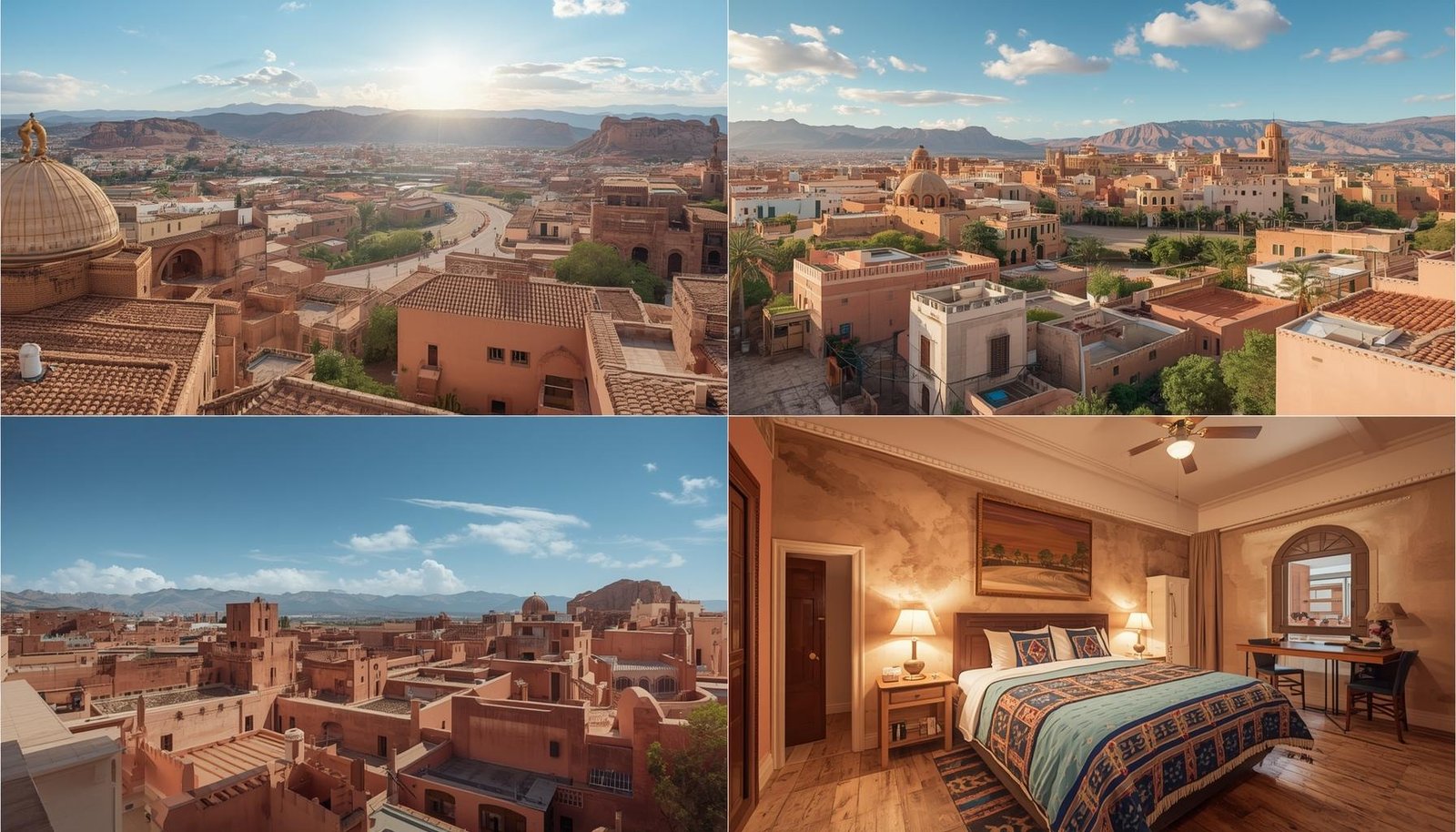
Experiencing the Moroccan iftar experience in Marrakech requires thoughtful planning to ensure you capture the full essence of Ramadan dining traditions Morocco. Follow these practical steps for an unforgettable journey:
Step 1: Research and Book Accommodation (2-3 Months Before)
Select accommodations that actively embrace Ramadan rather than simply tolerating it. Traditional riads in the medina often host communal iftar meals for guests, creating opportunities for cultural exchange. Contact properties directly to inquire about their Ramadan programming, iftar offerings, and modified service schedules. Book early as the most culturally-engaged properties fill quickly with return visitors.
Step 2: Understand Modified Schedules (1 Month Before)
Research how Ramadan affects attraction opening hours, restaurant operations, and transportation schedules. Many museums open 10 AM-5 PM during Ramadan, closing before iftar. Restaurants typically don’t serve food during daylight hours, though hotel restaurants may serve non-Muslim guests discreetly. Cafes open after iftar, around 8 PM, staying open until 2-3 AM. Note that alcohol service is restricted even in licensed establishments.
Step 3: Arrange Airport Transfer and Currency
Marrakech Menara Airport sits 6 km southwest of the medina. Pre-arrange airport pickup through your riad (typically 150-250 MAD) to avoid overcharging and ensure someone meets you regardless of your arrival time. During Ramadan, taxi availability decreases near iftar time. Exchange currency at airport ATMs or banks, as exchange offices keep irregular hours during Ramadan.
Step 4: Prepare Cultural Sensitivity (Before Departure)
Pack modest clothing covering shoulders and knees. While Morocco doesn’t enforce dress codes for tourists, respectful attire is particularly appreciated during Ramadan. Learn basic Arabic/French greetings: “Ramadan Mubarak” (blessed Ramadan), “Saha ftourkoum” (enjoy your iftar), and “Shukran” (thank you). Understanding that locals are fasting helps you demonstrate appropriate consideration.
Step 5: Plan Your Arrival Day (Day 1)
If arriving during Ramadan, schedule your flight to land mid-morning to mid-afternoon, allowing you to settle before iftar. After checking in, rest and acclimate. Around 90 minutes before sunset (check exact iftar time daily as it changes), venture toward Jemaa el-Fnaa square or your riad’s terrace. Observe the preparation rituals: tables being set, food vendors arranging harira pots, families gathering, mosques filling for prayer.
Step 6: Experience Your First Iftar (Day 1 Evening)
For your initial iftar, choose either your riad’s hosted meal or a restaurant that has invited you in advance. Arrive 15-20 minutes before the announced iftar time. The meal begins precisely at sunset (maghrib prayer time) with dates and milk or buttermilk, following the Prophet Muhammad’s tradition. Then comes harira soup, a thick tomato-based soup with lentils, chickpeas, and vermicelli. After this lighter start, the main feast follows: multiple tajines, grilled meats, fresh salads, couscous, pastries, and sweet mint tea. Pace yourself—iftar meals are marathon events, not sprints.
Step 7: Explore Post-Iftar Atmosphere (Day 1-3 Nights)
After breaking fast, Marrakech comes alive in ways you won’t see during other months. By 8:30-9 PM, the medina buzzes with shoppers, families strolling, and vendors reopening. The souks stay open until midnight or later. Jemaa el-Fnaa transforms into a night market with food stalls, musicians, and storytellers. This is prime time for shopping, as vendors are refreshed and often more flexible with prices after eating.
Step 8: Arrange a Home-Hosted Iftar Experience (Day 2-4)
The most authentic experience comes from sharing iftar in a Moroccan home. Several organizations and tour companies arrange home-hosted meals where families welcome travelers. Organizations like “Marrakech Food Tours” or “Eating Europe Tours” facilitate these connections, typically costing 300-600 MAD per person. Alternatively, ask your riad host to arrange an introduction to local families. Bring small gifts (pastries, dates, or flowers) to your hosts, and prepare for warm hospitality, language barriers bridged by universal gestures of sharing and gratitude.
Step 9: Witness Community Iftar Tables (Day 3-5)
Seek out public iftar tables set up by charitable organizations, mosques, and wealthy individuals throughout the medina. These free communal meals embody Ramadan’s spirit of generosity and equality—wealthy and poor, local and tourist, all eat together. Locations change, but your riad staff can direct you. Arrive shortly before sunset, observe the setup, and respectfully join when invited. These experiences offer raw, unfiltered glimpses into Moroccan values and Islamic charity practices.
Step 10: Experience Suhoor Culture (Day 4-5)
Suhoor, the pre-dawn meal before fasting resumes, offers another dimension of Ramadan. Some restaurants and hotels serve suhoor meals from midnight until approximately 4 AM (timing varies by date). Joining locals for this late-night meal, followed by the haunting call to fajr (dawn) prayer, provides profound insight into the daily rhythm of Ramadan. The msaharati, a traditional drummer who walks neighborhoods waking people for suhoor, is increasingly rare but still exists in old medina quarters.
Step 11: Participate in Taraweeh Prayers (Optional, Evenings)
Non-Muslims are generally welcome to observe (from designated areas) the special Taraweeh prayers performed after the evening meal during Ramadan. The Koutoubia Mosque and other major mosques conduct these lengthy prayers involving recitation of Quran portions. Dress very modestly, arrive before prayers begin, and position yourself respectfully to observe rather than participate. This experience offers deep cultural insight into Islamic devotional practices.
Step 12: Document and Respect (Throughout Stay)
Photograph respectfully, always asking permission before capturing faces, particularly of women and during prayer times. Focus on food, decorations, architecture, and atmospheric shots. Many Moroccans will proudly pose with their iftar spreads if you ask politely. Social media posts should reflect cultural respect—avoid comments suggesting pity for fasting or bewilderment at religious practices.
Benefits / Travel Experience Advantages
Participating in Marrakech’s Ramadan iftar traditions delivers multidimensional benefits that extend far beyond conventional tourism:
Authentic Cultural Understanding: Rather than observing culture from the outside, you become a temporary participant in deeply meaningful traditions. This immersive experience builds genuine cross-cultural understanding and challenges stereotypes about Islamic practices. You’ll leave with firsthand knowledge of what Ramadan truly means to practitioners rather than media-filtered interpretations.
Extraordinary Culinary Education: Ramadan showcases Moroccan cuisine at its absolute finest. Special dishes prepared only during this month—like sellou (a nutty, sesame-based sweet), briouat bil luz (almond pastries), and unique Ramadan breads—expand your culinary knowledge. You’ll learn the significance of certain ingredients, traditional preparation methods, and the cultural meanings behind specific dishes.
Enhanced Hospitality: Moroccan hospitality reaches its zenith during Ramadan. The religious emphasis on generosity, charity, and community means travelers receive exceptional warmth. Locals actively seek opportunities to share their culture, making meaningful interactions effortless rather than transactional.
Spiritual Reflection: Regardless of your religious beliefs, Ramadan’s contemplative atmosphere encourages personal reflection. The city’s slightly slower daytime pace, focus on gratitude, and emphasis on restraint create space for travelers to disconnect from consumer-driven tourism and reconnect with more essential values.
Budget Optimization: Lower accommodation rates, free community meals, and reduced tour prices during Ramadan allow budget-conscious travelers to experience luxury properties and extensive activities at fraction of normal costs. A week in a high-end riad might cost what three days normally would.
Exclusive Access: Certain cultural elements only emerge during Ramadan: special exhibitions, traditional performances, artisan demonstrations of Ramadan-specific crafts, and religious music concerts. These temporal activities aren’t accessible during other months, making Ramadan visits truly unique.
Photography Portfolio: The visual richness of Ramadan—lantern-lit streets, elaborate food presentations, decorative mosques, traditional dress worn for special prayers, and the golden-hour magic of iftar time—provides photographers with incomparable subject matter and lighting conditions.
Human Connection: Breaking bread together remains humanity’s most fundamental bonding ritual. Sharing iftar creates instant connections with Moroccans who remember travelers who respected their traditions. These relationships often continue beyond your visit through social media and occasional correspondence, potentially becoming lifelong friendships.
Educational Value for Families: For families traveling with children, experiencing Ramadan teaches lessons about religious diversity, self-discipline, gratitude, and cultural respect that no classroom can match. Children witness firsthand how people maintain joy and generosity despite temporary hardship, valuable lessons in an increasingly interconnected world.
Timing Serendipity: If your visit coincides with the final ten days of Ramadan, particularly the 27th night (Laylat al-Qadr, Night of Destiny), you’ll witness extraordinary devotional fervor with mosques filled to capacity, streets lined with worshippers, and an electric spiritual atmosphere unlike anything else in the Islamic calendar.
Tips, Alternative Ways to Explore, or Travel Advice
Maximize your Ramadan experience in Marrakech with these strategic approaches and insider recommendations:
For First-Time Visitors: Begin with organized experiences before venturing into spontaneous interactions. Book at least one structured iftar meal through your accommodation or a reputable tour operator. This provides a foundation of cultural knowledge and proper etiquette you can apply to subsequent experiences. Consider hiring a cultural guide for your first day who can explain customs, translate conversations, and facilitate introductions.
For Seasoned Morocco Travelers: If you’ve visited Marrakech previously during non-Ramadan periods, you’ll find the city transformed. Focus on aspects you couldn’t experience before: late-night medina exploration (much safer during Ramadan due to increased foot traffic), special Ramadan exhibitions at museums, artisan workshops showing traditional Ramadan crafts, and regional variations of iftar dishes from different Moroccan territories.
Luxury Ramadan Experience: High-end properties like La Mamounia, Royal Mansour, and Mandarin Oriental create spectacular Ramadan programs with gourmet iftar buffets, live traditional music, and elegant décor. These typically cost 500-1,200 MAD per person but deliver restaurant-quality food in palatial settings with extensive variety. This approach suits travelers who want cultural immersion without compromising comfort or dealing with language barriers.
Budget-Conscious Approach: Eat at community iftar tables (free), choose budget riads offering included iftar meals (many charge only 80-150 MAD), shop at souks after iftar when vendors are well-fed and negotiable, and walk rather than taxi (the city is quieter and more pedestrian-friendly during Ramadan evenings). Street food vendors selling msemen, harira, and fresh juices offer authentic tastes for 10-30 MAD.
Family-Friendly Strategies: Choose accommodations with courtyards or terraces where children can play safely after iftar. Many families with young children don’t maintain the entire fast, so don’t be surprised if you see Moroccan children eating during the day. Engage kids by teaching them about cultural differences, having them help select pastries at markets, and allowing them to participate in decorating activities that some riads organize.
Solo Female Travelers: Ramadan actually enhances safety for solo female travelers as the religious atmosphere promotes respectful behavior. Women-only hammams often extend evening hours during Ramadan—a perfect post-iftar relaxation activity. Joining group iftars through organized tours provides social connection without safety concerns. Dress particularly modestly during this period, covering knees, shoulders, and preferably wearing loose-fitting clothing.
Photography Enthusiasts: Arrive at iftar locations 60-90 minutes before sunset to capture preparation activities in beautiful golden-hour light. The moments immediately before and after the call to prayer provide dramatic imagery—prepare your settings in advance as these moments pass quickly. Always ask permission for portraits, offering to email photos as relationship-building gestures. Focus on details: hands breaking dates, steam rising from harira pots, lanterns against twilight skies, and multi-generational family tableaus.
Food Bloggers and Culinary Travelers: Beyond attending iftars, arrange cooking classes specifically focused on Ramadan dishes. Several cooking schools in Marrakech offer special Ramadan sessions teaching harira, chebakia, and msemen preparation. Visit specialty markets selling Ramadan-specific ingredients. Interview restaurant owners about how Ramadan influences their operations and menus.
Extended Stay Visitors (1+ Week): Divide your experience between early Ramadan (when novelty and energy run high), mid-Ramadan (when routines normalize and authentic daily life emerges), and late Ramadan (when spiritual intensity peaks). This allows you to understand the progression of the holy month. Use midday hours when restaurants are closed to visit attractions, hammams, or work remotely if digital nomading.
Combining with Other Destinations: Morocco’s Ramadan experience varies regionally. Consider splitting time between Marrakech (urban iftar culture), Essaouira (coastal Ramadan with fish-heavy iftars), Fes (the most traditional and conservative Ramadan observance), or the Atlas Mountains (Berber Ramadan traditions). Each offers distinct perspectives on how diverse Moroccan communities approach the holy month.
Weather-Adaptive Planning: During hot Ramadan periods, schedule museum visits, hammam sessions, and indoor activities for afternoon hours when the city quiets. During cooler Ramadan months, use daytime for extensive walking tours, garden visits, and outdoor photography before joining evening iftar activities.
Language Preparation: While French is widely spoken, learning a few Arabic Ramadan phrases significantly enhances interactions: “Smahli” (excuse me/sorry—useful if accidentally eating publicly), “Rbna ykhalik” (may God bless you—appropriate when thanking hosts), “Mabrouk Ramadan” (congratulations on Ramadan—greeting during the month). Download Google Translate’s offline Arabic package for assistance.
Health Considerations: Avoid eating obviously in public during fasting hours out of respect, though tourists aren’t expected to fast. Stay hydrated using water bottles discreetly. Be cautious with evening eating quantities—iftar meals are rich and abundant, and overindulgence leads to discomfort. If you have dietary restrictions, communicate them clearly to hosts in advance; Moroccan hospitality means accommodating guests generously.
Common Travel Mistakes to Avoid
Navigate Ramadan in Marrakech successfully by avoiding these frequent pitfalls:
Mistake 1: Eating, Drinking, or Smoking Publicly During Fasting Hours
While tourists aren’t legally required to fast, conspicuously consuming food, drinks, or cigarettes in public spaces during daylight hours (dawn to sunset) is deeply disrespectful and may result in disapproving looks or comments. Even within Morocco’s tourist-friendly zones, this behavior offends locals observing the fast.
Solution: Consume food and beverages discreetly in your hotel room or in designated tourist restaurant areas that serve non-Muslims during Ramadan. Most international hotels provide discreet dining options. If you need water while exploring, drink from a bottle discreetly in less crowded areas. Completely avoid smoking in public during fasting hours. Plan your daytime schedule around the reality that most cafes and restaurants will be closed.
Mistake 2: Arriving at Iftar Locations at Sunset
Attempting to secure a restaurant table, join a community iftar, or position yourself at a viewpoint exactly at sunset means missing the preparations and arriving during the busiest, most chaotic moments when everyone is focused on breaking their fast rather than welcoming newcomers.
Solution: Arrive at iftar venues 30-60 minutes before the scheduled sunset time. This allows you to settle in, observe the anticipatory atmosphere, watch food preparations, witness the final prayers before eating, and be properly positioned when the meal begins. If attending a home iftar by invitation, arrive 45 minutes early to help with final preparations—offering assistance strengthens connections even if your help is politely declined.
Mistake 3: Over-Scheduling Daytime Activities
Many travelers plan Marrakech itineraries without accounting for Ramadan’s modified schedules, expecting normal operating hours. This leads to frustration when arriving at closed restaurants, museums shutting earlier than expected, and transportation being scarce near iftar time.
Solution: Build your daily schedule around iftar time (which changes slightly each day—check daily prayer time apps or ask your hotel). Plan morning and midday activities for museums, hammams, gardens, and shopping, understanding that by 5-6 PM, the city begins winding down. Leave 6-8 PM completely unscheduled for iftar. Resume activities after 8:30 PM when the city reawakens. Accept the different rhythm rather than fighting it—this pace reduction often becomes a favorite aspect of the experience.
Mistake 4: Wearing Inappropriate Clothing
Morocco generally tolerates tourist attire, but during Ramadan, sensitivity to modesty increases significantly. Shorts, tank tops, short skirts, and revealing clothing that might be overlooked in tourist areas in other months can cause genuine offense during the holy month and may result in unwelcoming treatment or denied entry to certain areas.
Solution: Pack lightweight, breathable clothing that covers shoulders, décolletage, and legs to at least below the knee. Loose-fitting linen pants, long skirts, and sleeved shirts work perfectly while remaining comfortable in Marrakech’s climate. Carry a light scarf for women to cover their shoulders or hair if entering religious spaces or particularly traditional neighborhoods. Men should avoid sleeveless shirts. Dressing respectfully doesn’t mean abandoning style—Morocco’s modest fashion is elegant and sophisticated.
Mistake 5: Expecting Nightlife and Alcohol Availability
Travelers familiar with Marrakech’s bar scene or who enjoy evening drinks will find these options severely limited during Ramadan. Even licensed establishments typically stop serving alcohol, and nightclubs close for the month.
Solution: Adjust expectations before arrival—Ramadan is a spiritual rather than party-oriented experience. Focus on the unique cultural opportunities available instead. If alcohol is important to your travel experience, Morocco during Ramadan may not suit your preferences. Some international luxury hotels discreetly serve alcohol to non-Muslim guests in private areas, but this should be confirmed before booking if it’s essential to you.
Mistake 6: Photographing People Without Permission
While this is problematic year-round, photographing people during Ramadan’s prayer times, while eating iftar, or in vulnerable moments (children begging, people appearing tired from fasting) without explicit permission is particularly intrusive and disrespectful.
Solution: Always ask permission before photographing people, preferably learning the Arabic phrase “Washnou momkin ntsawer?” (Can I take a photo?). Focus on architectural details, food presentations, decorative elements, and street scenes where individuals aren’t identifiable. If someone declines, accept gracefully without argument. Offer to share photos via email or WhatsApp—many Moroccans will then gladly pose. Build relationships first, photograph second.
Mistake 7: Making Insensitive Comments or Complaints
Expressing pity for fasting locals (“Aren’t you starving?”), Complaining about inconveniences caused by Ramadan schedules, or making jokes about the practices, can deeply offend and create uncomfortable situations that ruin cultural exchanges.
Solution: Approach Ramadan with respect and curiosity rather than judgment. Frame questions positively: “What do you most look forward to about Ramadan?” rather than “Isn’t fasting difficult?” Recognize that most Muslims embrace Ramadan enthusiastically rather than viewing it as a hardship. Accept modified schedules gracefully—your flexibility demonstrates cultural sensitivity that Moroccans genuinely appreciate and remember.
Mistake 8: Neglecting Health Precautions
The combination of rich iftar foods, evening eating schedules, late-night activities, and potentially hot weather creates health challenges. Travelers often overeat at iftar, become dehydrated during the day, or exhaust themselves trying to maintain normal activity levels on modified schedules.
Solution: Pace yourself at iftar meals—eat slowly across the extended evening rather than gorging immediately. Drink water consistently during permitted hours (after sunset, before dawn). Allow your body to adjust to different meal timing over your first 1-2 days. If participating in the full Ramadan experience by fasting (some non-Muslims try this), consult your doctor first and prepare properly with hydration and balanced suhoor meals.
Accommodation & Practical Information
Selecting appropriate accommodation and understanding practical logistics ensures a smooth Ramadan experience in Marrakech:
Accommodation Options
Traditional Riads (Recommended): Family-run guesthouses in the medina offer the most authentic Ramadan experience. Many host communal iftar meals where guests join the family, creating immediate cultural immersion. Prices range from 300-1,500 MAD/night depending on luxury level. Notable Ramadan-friendly riads include Riad Yasmine, Dar Darma, and Riad Kniza, all known for warm hospitality and cultural programming during the holy month.
Luxury Hotels: Properties like La Mamounia, Royal Mansour, and Mandarin Oriental create elaborate Ramadan experiences with gourmet iftar buffets, traditional entertainment, and special décor. These cost 2,500-8,000+ MAD/night but provide seamless cultural experiences without logistical challenges. They also maintain standard services (room service, dining options, alcohol availability in designated areas) for guests who prefer conventional amenities.
Boutique Guesthouses: Mid-range boutique properties (800-1,800 MAD/night) like Riad 72, Dar Ahlam, and Les Jardins de la Medina offer design-forward accommodations with cultural programming without the institutional feel of large hotels. Many arrange home-hosted iftar experiences or cooking classes focused on Ramadan recipes.
Budget Options: Hostels and budget riads (150-400 MAD/night) like Equity Point Marrakech or Riad Marrakech Rouge provide basic accommodation with communal spaces where travelers naturally connect and share Ramadan experiences. These work well for younger travelers or those prioritizing cultural experiences over accommodation luxury.
Transportation
Getting to Marrakech: Marrakech Menara Airport connects directly to major European, Middle Eastern, and African cities. Budget airlines like Ryanair and easyJet service the route from Europe economically. During Ramadan, flight prices typically don’t fluctuate significantly, though the final week (approaching Eid) sees increased demand from diaspora Moroccans returning home.
Airport to Medina: Official taxis charge fixed rates of approximately 70-100 MAD to the medina edge (you’ll walk the final portion as cars can’t enter). Pre-arranged riad pickup (150-250 MAD) ensures someone meets you and escorts you through the labyrinthine medina to your accommodation’s door—worth the premium for first-time visitors or late arrivals.
Within Marrakech: Walking is the primary transportation in the medina. For distances to Ville Nouvelle or gardens, petits taxis (small taxis) cost 20-50 MAD for most trips. During Ramadan, taxi availability decreases near iftar time (6-7:30 PM), so plan around this constraint. Ride-sharing apps (Careem, Heetch) operate in Marrakech with pricing similar to taxis but with more availability and no language barriers.
Day Trips: Organized tours to Atlas Mountains, Essaouira, or Ouzoud Falls continue during Ramadan with adjusted schedules. Private drivers cost 600-1,200 MAD/day depending on destination and vehicle type—arrange through your accommodation for reliable providers.
Money and Costs
Currency: Moroccan Dirham (MAD). Exchange rates typically hover around 10 MAD = 1 USD/EUR (verify current rates). ATMs widely available in Ville Nouvelle and near major tourist sites. Many accept international cards (Visa, Mastercard) with reasonable fees. Exchange offices in the medina offer competitive rates—avoid airport exchange counters which have less favorable rates.
Daily Budget: Budget travelers can manage on 300-500 MAD/day (accommodation, food, local transport, entry fees). Mid-range travelers should budget 800-1,500 MAD/day. Luxury experiences require 2,500+ MAD/day. During Ramadan, food costs potentially decrease if you participate in free community iftars and eat modestly during non-fasting hours.
Tipping: Expected for most services—10-20 MAD for helpful guides, 50-100 MAD for day drivers, 10-15% in restaurants. During Ramadan, generous tipping is particularly appreciated and aligns with the charitable spirit of the month.
Cultural Customs
Greetings: Handshakes are standard for men meeting men. Men shouldn’t extend hands to Moroccan women unless she offers first. Among acquaintances, cheek kisses (typically three, alternating sides) are common regardless of gender, but wait for locals to initiate with tourists.
Mosque Entry: Non-Muslims cannot enter most Moroccan mosques except the Hassan II Mosque in Casablanca. Respect barriers around prayer areas and remove shoes if entering any religious space.
Ramadan Etiquette: Beyond avoiding public eating/drinking/smoking during fasting hours, minimize public displays of affection (always conservative in Morocco but especially during Ramadan), speak and behave quietly during prayer times, and don’t enter mosques during prayers.
Bargaining: Expected in souks for goods without marked prices. Start at 40-50% of the initial asking price, negotiate respectfully, and walk away if you can’t agree—vendors will often call you back with better offers. During Ramadan, especially after iftar, vendors may be more flexible as they’re relaxed and well-fed.
Safety Considerations
Marrakech is generally safe for tourists, and Ramadan actually enhances safety due to the religious atmosphere promoting good behavior. Pickpocketing remains the primary concern in crowded areas like Jemaa el-Fnaa—keep valuables secured and remain aware of surroundings. Women travelers should expect some attention/comments regardless of dress, though this typically decreases during Ramadan. Travel in groups when possible, particularly late at night. Trust instincts about situations and don’t hesitate to firmly decline unwanted interactions. Your accommodation staff are excellent resources for safety guidance specific to current conditions.
Communication
Language: Arabic and French are official languages. English spoken in tourist areas but not universally. Basic French phrases significantly ease communication. Download translation apps (Google Translate, DeepL) with offline language packs.
Internet: WiFi widely available in accommodations, cafes, and restaurants. Purchase local SIM cards (Maroc Telecom, Orange, Inwi) at the airport or phone shops for data—tourists can buy these with passport presentation. SIM cards cost approximately 50-100 MAD, with data packages starting at 50 MAD for 5-10GB, valid for one month.
Essential Apps: Google Maps (download offline maps), XE Currency Converter, Muslim Pro (prayer times/iftar timing), Google Translate, Careem/Heetch (taxis), and WhatsApp (primary communication app in Morocco).
Health Preparations
Vaccinations: No vaccinations specifically required for Morocco from most countries, but ensure routine vaccinations are current. Hepatitis A and Typhoid recommended for travelers who’ll eat extensively from street vendors.
Travel Insurance: Essential for covering medical emergencies, trip cancellations, and theft. Verify your policy covers Morocco and adventure activities if planning Atlas Mountains trek or similar excursions.
Medical Facilities: Marrakech has adequate medical facilities, including private clinics with English-speaking staff. Polyclinique du Sud and Clinique Internationale Marrakech serve tourists effectively. Pharmacies (identified by green crosses) are common and pharmacists can advise on minor health issues.
Food/Water Safety: Tap water isn’t potable—drink bottled water exclusively. During Ramadan, the freshness of iftar food is generally excellent as everything is prepared that day. Avoid food that’s been sitting at daytime temperatures. Harira soup and hot dishes are safe. Fresh salads and unpeeled fruits carry minimal risk at reputable establishments.
Conclusion
The Moroccan iftar experience in Marrakech represents one of the world’s most enriching cultural travel opportunities, offering layers of meaning that extend far beyond typical tourist activities. By immersing yourself in Ramadan dining traditions Morocco, you gain intimate access to Islamic spirituality, Moroccan hospitality, and culinary traditions that have sustained communities for centuries.
This experience demands open-mindedness, cultural sensitivity, and willingness to adapt to different rhythms, but the rewards—genuine human connections, profound cultural understanding, extraordinary food, and memories that transcend typical travel experiences—far outweigh the minor inconveniences of modified schedules and limited daytime dining options.
Whether you’re drawn by curiosity about Islamic practices, passion for authentic cuisine, desire for meaningful travel experiences, or simply the opportunity to witness Marrakech transformed by spiritual devotion, visiting during Ramadan offers perspectives impossible to gain through conventional tourism. You’ll return home not just with photographs and souvenirs, but with stories of generosity, insights into a major world religion practiced with joy rather than burden, and perhaps friendships with Moroccan families who welcomed you into their most sacred traditions.
The best preparation combines practical planning with spiritual openness—research logistics thoroughly, but remain flexible enough to accept unexpected invitations and spontaneous opportunities. Approach each interaction with genuine respect and curiosity, and you’ll find yourself welcomed into experiences that transform you from tourist to temporary community member.
Start planning your Ramadan journey to Marrakech today by researching upcoming Ramadan dates, booking culturally-engaged accommodation, and preparing yourself mentally to receive one of travel’s most generous gifts: being welcomed as family by people who could see you as merely a visitor. Your iftar awaits beneath the lantern-lit Moroccan sky, where strangers become friends over harira soup and heartfelt conversation.
Share your own Moroccan Ramadan experiences in the comments below, or connect with us on social media to see our latest cultural travel guides for Morocco and beyond.
Book Your Morocco Trip
Find the best flights and hotels in Morocco on Trip.com—fast, flexible, and easy to use.
👉 View Morocco travel deals on Trip.com
FAQs
Q1: Can non-Muslims participate in iftar meals during Ramadan in Marrakech?
Absolutely yes. Moroccan hospitality embraces visitors of all faiths during Ramadan, and locals often specifically invite tourists to share iftar as a form of cultural exchange. Many riads, restaurants, and community organizations welcome non-Muslim travelers to participate in iftar meals. Simply show respect by arriving punctually, dressing modestly, waiting for the call to prayer before eating, and expressing gratitude to hosts. Your participation is viewed positively as interest in understanding Moroccan culture. Some organized experiences specifically cater to tourists wanting authentic iftar experiences with local families or in traditional settings.
Q2: Are restaurants completely closed during the day throughout Ramadan?
Most traditional Moroccan restaurants close during fasting hours (dawn to sunset) throughout Ramadan, as there’s no local clientele and staff members are fasting. However, exceptions exist: many international hotels continue serving meals to non-Muslim guests in designated, discreet dining areas. Some cafes in very touristy zones like Jemaa el-Fnaa may remain open with curtained-off sections. Food delivery services operate in Ville Nouvelle. The practical reality is that daytime dining options severely decrease, so plan accordingly by eating breakfast at your hotel, carrying snacks in your bag for private consumption, or adjusting your meal schedule to align with iftar and suhoor times.
Q3: Is it safe for women to travel alone to Marrakech during Ramadan?
Yes, Ramadan actually enhances safety for solo female travelers in Marrakech. The religious atmosphere promotes respectful behavior, and you’ll likely experience less harassment than during other months. Streets are busier in the evenings after iftar, providing natural safety in numbers. That said, standard precautions apply: dress modestly (covering shoulders, knees, and chest), avoid walking alone in isolated areas late at night, stay in reputable accommodations, and trust your instincts about situations. Many solo female travelers specifically time their Marrakech visits during Ramadan due to the combination of unique cultural access and enhanced respectful atmosphere. Joining organized iftar experiences or group tours provides additional security and social connection.
Q4: How much should I budget for experiencing iftar meals in Marrakech?
Budget varies dramatically based on approach. Free options exist—community iftar tables welcome everyone regardless of ability to pay, embodying Ramadan’s charitable spirit. Budget riads often include simple iftar meals for 80-150 MAD per person. Mid-range restaurant iftars cost 200-400 MAD per person for multi-course meals with traditional dishes. Luxury hotel iftar buffets range from 500-1,200 MAD per person but feature extensive variety, live entertainment, and elegant settings. Home-hosted experiences through tour operators typically cost 300-600 MAD per person, including transport and guide services. Most travelers find 250-400 MAD per day covers iftar and modest suhoor/breakfast, with additional meals unnecessary due to iftar’s abundance.
Q5: What happens if I accidentally eat or drink in public during fasting hours?
While eating, drinking, or smoking publicly during Ramadan fasting hours is disrespectful, occasional mistakes happen, especially for visitors unfamiliar with the practice. If you accidentally consume something publicly, simply stop immediately when you realize, apologize quietly if anyone comments (“Smahli” means “excuse me” in Arabic), and move to a private space. Moroccans generally understand that tourists may not be familiar with all customs and will forgive honest mistakes if you show respect once corrected. Deliberate, conspicuous public consumption is a different matter and could result in serious disapproval or even legal issues. The key is demonstrating respect through your response—showing that you understand the importance of the practice even if you don’t participate in fasting yourself.