Is it cheaper to visit Morocco during Ramadan? A Practical Cost Guide for UK 2026
Have you ever wondered if traveling during a holy month could actually save you money while offering a deeper cultural experience? Morocco during Ramadan presents a unique opportunity for budget-conscious travelers seeking authentic immersion into Islamic traditions, vibrant night markets, and significantly reduced accommodation costs. Is it cheaper to visit Morocco during Ramadan is a question many travelers ask, and the answer is often yes—but with important considerations. Additionally, savvy travelers can take advantage of Morocco Ramadan travel discounts that make this spiritual season one of the most affordable times to explore this North African gem.
Table of Contents
Visiting Morocco during Ramadan offers travelers a rare glimpse into the country’s spiritual heart, where daily routines transform, bustling medinas quiet during daylight hours, and evenings explode with communal feasts and celebrations. While some restaurants close during fasting hours and business schedules shift, the trade-off includes lower prices on hotels, flights, and tours, plus the opportunity to witness centuries-old traditions that define Moroccan culture. Whether you’re exploring the imperial cities of Marrakech and Fez, wandering through the blue streets of Chefchaouen, or trekking the Sahara Desert, understanding how Ramadan affects travel logistics and costs can help you plan an enriching and economical journey.
Why Visit Morocco During Ramadan
Morocco during Ramadan is a destination unlike any other time of year, offering travelers a multitude of compelling reasons to visit:
Cultural Immersion and Spiritual Atmosphere: Experience Morocco’s Islamic heritage firsthand as the entire country observes this holy month. Witness the call to prayer echoing through ancient medinas five times daily, observe respectful fasting practices, and feel the palpable sense of community and devotion that permeates every city and village.
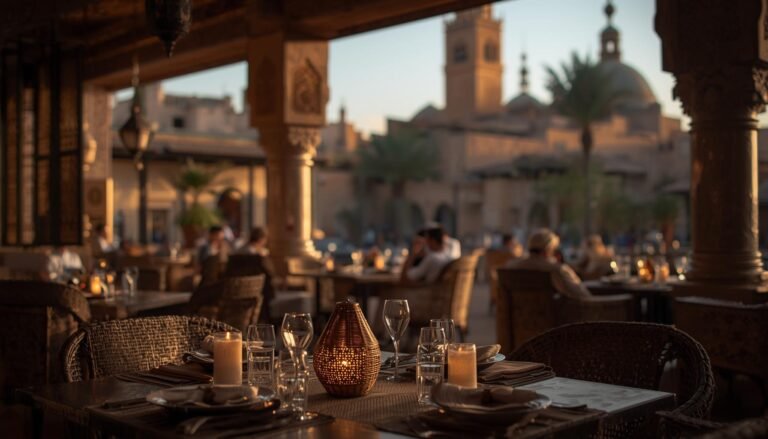
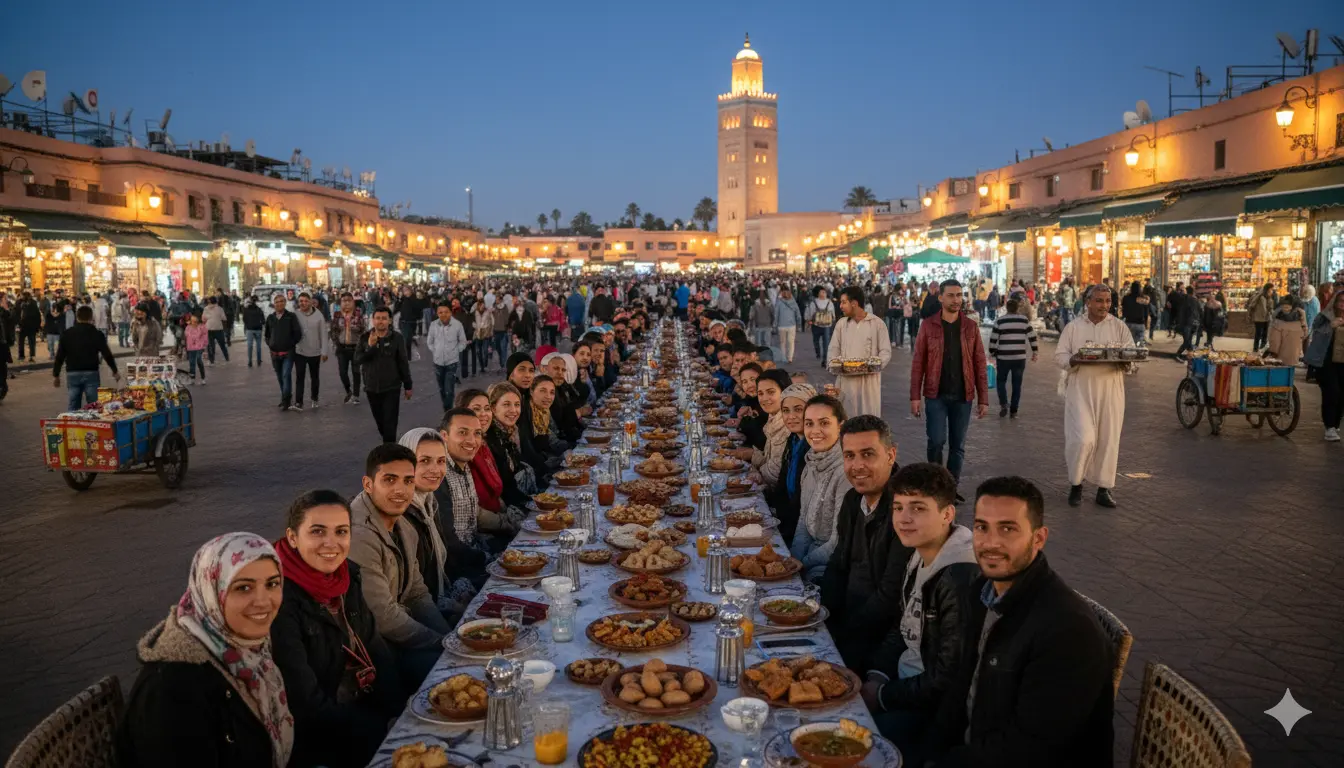
Iftar Celebrations and Culinary Adventures: The breaking of the fast at sunset, known as iftar, transforms Moroccan streets into festive gatherings. Join locals for complimentary dates and harira soup offered at mosques and public squares, or dine at restaurants offering special Ramadan menus featuring traditional dishes like chebakia, sellou, and briwat.
Significant Cost Savings: Hotel rates can drop by 20-50% during Ramadan, as tourist numbers decrease. Flight prices similarly decline, and tour operators offer promotional packages. These Moroccan Ramadan travel discounts extend to car rentals, guided tours, and even some attractions seeking to maintain visitor numbers.
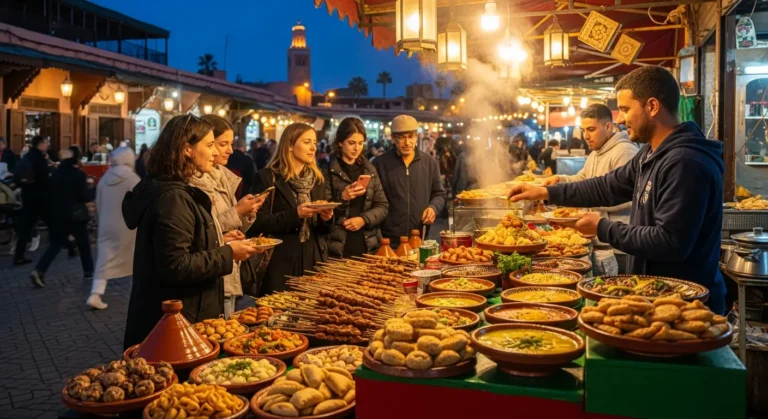
Vibrant Night Markets and Extended Evening Activities: While days may be quieter, Moroccan cities come alive after sunset. Night markets stay open until the early morning hours, offering shopping opportunities, street food, live music, and entertainment that continues well past midnight.
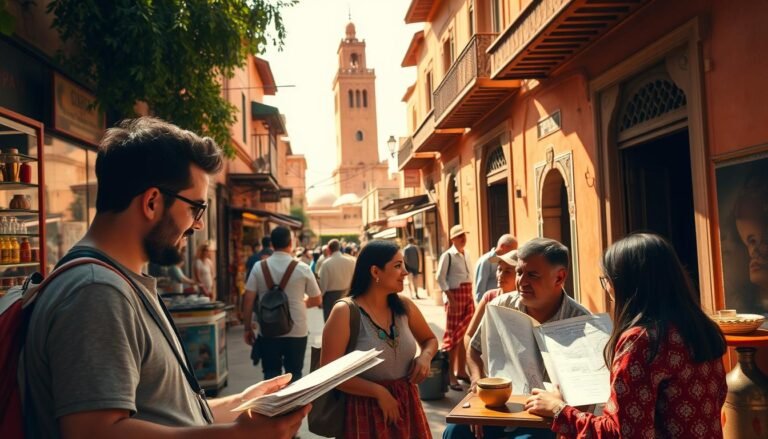
Authentic Local Interactions: With fewer tourists, you’ll experience more genuine connections with locals. Moroccans are particularly welcoming during Ramadan, often inviting foreigners to share iftar meals and explain the significance of their traditions.
Unique Photography Opportunities: The atmospheric lighting of lantern-lit streets, the preparation of special foods, families gathering for sunset meals, and the decorated mosques create exceptional photographic moments unavailable during other times of year.
Less Crowded Attractions: Popular sites like the Bahia Palace, Jardin Majorelle, and Hassan II Mosque see fewer visitors, allowing for more relaxed exploration and better photo opportunities without crowds.
Special Ramadan Entertainment: Many cities host special cultural events, including traditional music performances, Quranic recitations, and charity events that welcome respectful visitors to observe or participate.
Best Time to Visit
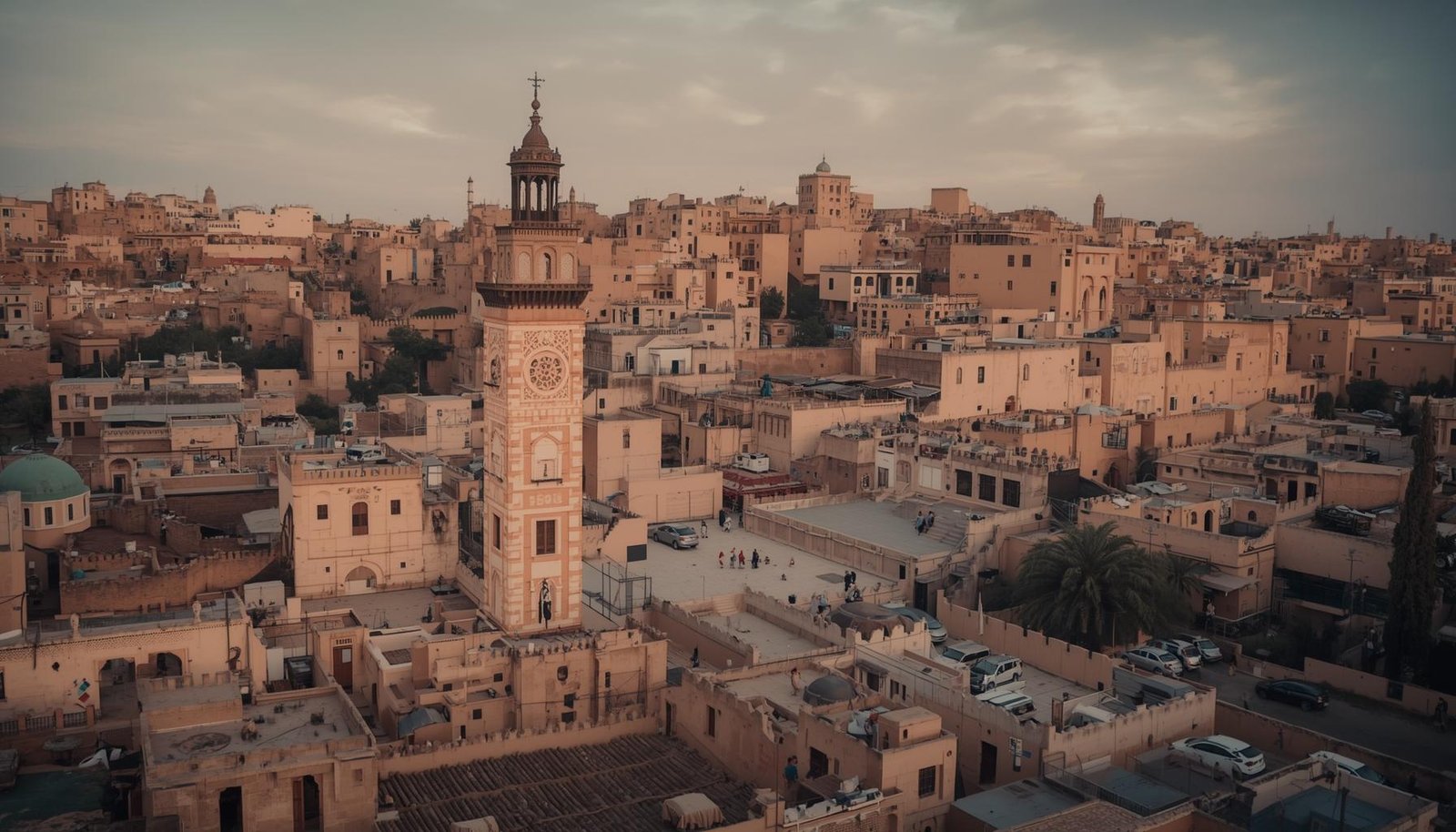
Understanding the timing of Ramadan and Morocco’s seasonal weather patterns is essential for planning your trip:
Ramadan Dates and Lunar Calendar: Ramadan follows the Islamic lunar calendar, occurring approximately 11 days earlier each year. For 2025, Ramadan is expected from late February to late March, while 2026 will see it from mid-February to mid-March. The exact dates depend on moon sightings and may vary by a day or two.
Spring Ramadan (March-April): This is generally the most pleasant time to visit Morocco during Ramadan. Temperatures range from 15-25°C (59-77°F) in most cities, making daytime exploration comfortable. Coastal cities like Essaouira and Casablanca enjoy mild weather, while inland cities like Marrakech and Fez experience warm, sunny days. Spring blooms add beauty to gardens and countryside landscapes.
Winter Ramadan (December-February): When Ramadan falls during winter months, expect cooler temperatures averaging 10-18°C (50-64°F) in major cities. Northern regions and mountain areas can be quite cold, with potential rain. However, winter Ramadan offers the advantage of shorter fasting days (approximately 11-12 hours), meaning restaurants and attractions reopen earlier in the evening.
Summer Ramadan (June-August): If Ramadan occurs during summer, be prepared for intense heat, particularly in Marrakech, Fez, and desert regions where temperatures can exceed 40°C (104°F). Fasting days extend to 16-17 hours, and many businesses maintain very limited daytime operations. Coastal areas remain more comfortable but still hot. This period sees the steepest travel discounts but presents the greatest logistical challenges.
Autumn Ramadan (September-November): Autumn provides another excellent window, with temperatures cooling to 18-28°C (64-82°F) and pleasant weather across most regions. The harvest season brings fresh produce to markets, and the post-summer lull combines with Ramadan to create exceptional value for travelers.
Peak vs. Low Season Considerations: Morocco’s typical high season runs from March to May and September to November. When Ramadan coincides with these periods, you’ll benefit from good weather plus Ramadan discounts. When Ramadan falls during traditional low seasons (winter or summer), discounts compound, offering the absolute best prices but potentially more challenging weather conditions.
Cost Comparisons: During non-Ramadan periods, mid-range hotels in Marrakech or Fez average $60-120 per night. During Ramadan, these same properties often drop to $40-80. Flights can be 15-30% cheaper, and tour packages may offer additional 10-25% discounts. Budget an average of $50-80 per day during Ramadan versus $70-120 during peak non-Ramadan periods.
Step-by-Step Travel Guide
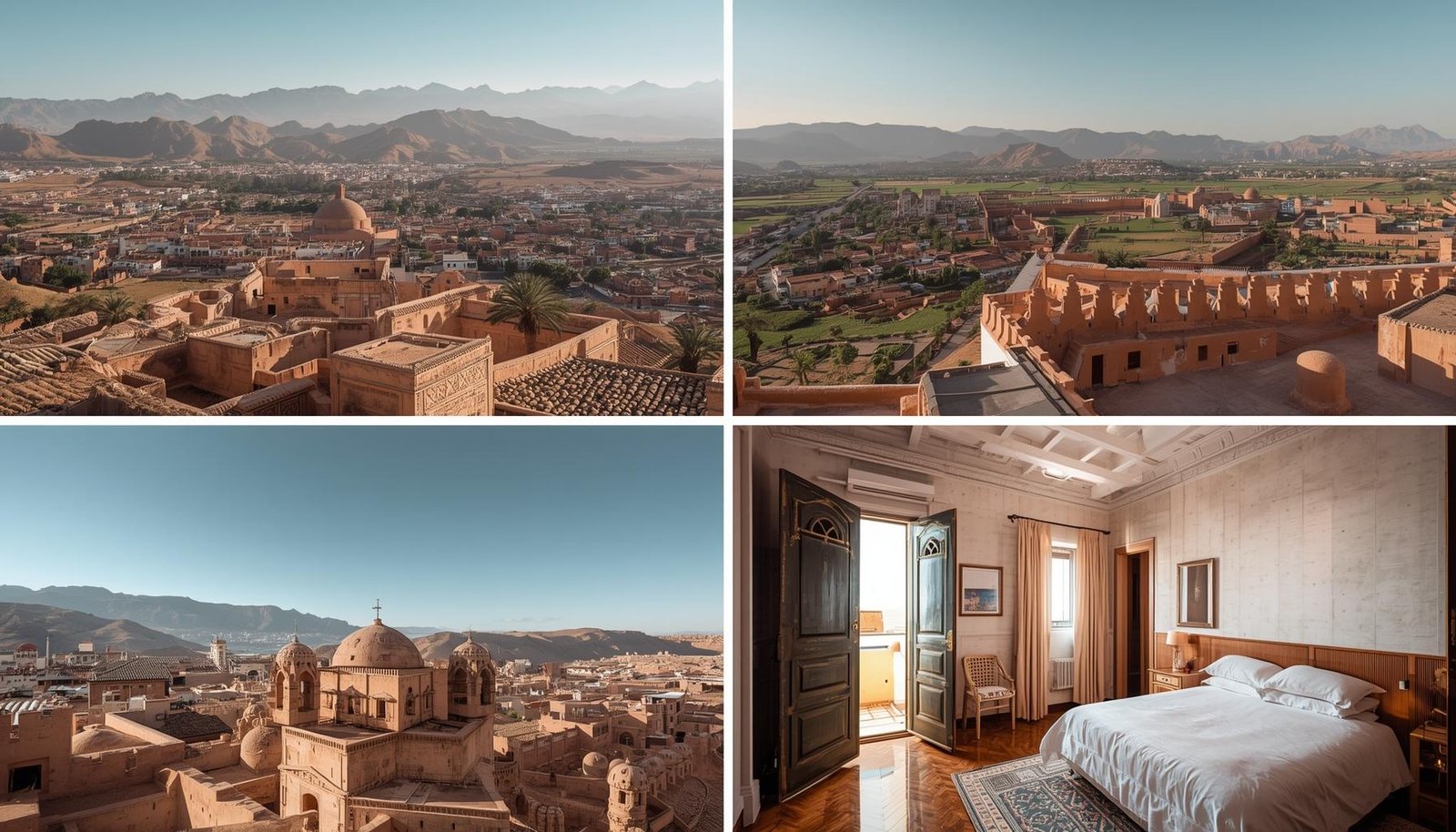
Planning a trip to Morocco during Ramadan requires special considerations. Follow these detailed steps to ensure a smooth and rewarding experience:
Step 1: Research Ramadan Dates and Book Early (3-4 Months Before)
Check the exact Ramadan dates for your travel year, as these shift annually. Once confirmed, book flights and accommodations early to secure the best prices. Airlines often release promotional fares for Ramadan periods 3-4 months in advance. Sign up for fare alerts from major carriers like Royal Air Maroc, which frequently offers Is it cheaper to visit Morocco during Ramadan special deals. Similarly, hotels announce their Ramadan rates early, and booking directly often yields additional discounts.
Step 2: Choose Your Destinations Wisely
Select cities and regions that balance your interests with Ramadan logistics. Major cities like Marrakech, Fez, Casablanca, and Rabat maintain tourist infrastructure throughout Ramadan, with many restaurants staying open (discreetly) for non-fasting visitors. Smaller towns may have more limited options. Coastal destinations like Essaouira, Agadir, and Tangier tend to be more relaxed regarding eating and drinking during daylight hours.
Step 3: Plan Your Daily Schedule Around Fasting Hours
Adjust your itinerary to accommodate Ramadan schedules. Most museums, monuments, and attractions operate on reduced hours, typically opening later (10 AM or 11 AM) and closing earlier (4 PM or 5 PM). Government offices and banks maintain limited schedules. Plan intensive sightseeing for mornings and late evenings. Use midday for rest, hotel amenities, or visiting your accommodations’ restaurants, which serve non-fasting guests. Take advantage of Morocco Ramadan travel discounts on guided tours that offer flexible scheduling around prayer times and iftar.
Step 4: Arrange Transportation in Advance
Book intercity transportation early, as schedules may be modified during Ramadan. CTM and Supratours buses maintain regular service but may adjust departure times. Train services through ONCF typically maintain normal schedules but can be crowded as people travel for family gatherings. If renting a car, book ahead for better rates and availability. Consider hiring drivers for long journeys, as they’ll navigate Ramadan traffic patterns and know which rest stops remain open.
Step 5: Pack Appropriately and Respectfully
Bring modest clothing covering shoulders and knees, as respectful dress is particularly important during Ramadan. Women should pack lightweight scarves for visiting mosques and conservative areas. Include a refillable water bottle (to be used discreetly), snacks for daytime if needed, and comfortable walking shoes for extended evening explorations when cities come alive.
Step 6: Identify Restaurants and Services Open During Daytime
Research in advance which restaurants cater to tourists during fasting hours. International hotel restaurants, tourist-area cafés, and some establishments in Ville Nouvelle (new city) districts typically remain open. Download restaurant apps or save Google Maps lists. Carry backup snacks from supermarkets, which generally stay open with curtained-off eating areas.
Step 7: Experience Iftar (Breaking the Fast)
Plan to experience at least one traditional iftar, either by accepting an invitation from locals (Moroccans often invite tourists to join them), attending a mosque’s community iftar (many welcome respectful non-Muslim observers), or booking a restaurant’s special Ramadan menu. Arrive before sunset to witness the anticipation and join the breaking of the fast with dates and milk, followed by harira soup and traditional dishes.
Step 8: Explore Night Markets and Evening Activities
After iftar, cities transform. From around 8 PM until 2 AM, souks, night markets, food stalls, and entertainment venues operate at full capacity. This is the ideal time for shopping, street food sampling, and cultural exploration. Jemaa el-Fnaa square in Marrakech becomes particularly vibrant, while Fez’s medina illuminates beautifully.
Step 9: Show Cultural Respect Throughout Your Visit
Refrain from eating, drinking, or smoking in public during daylight hours out of respect for those fasting. While not legally required for non-Muslims, this courtesy is deeply appreciated. Be discreet if consuming food or water outdoors. Dress modestly, avoid public displays of affection, and maintain respectful behavior, particularly near mosques during prayer times.
Step 10: Prepare for Eid al-Fitr (End of Ramadan)
If your visit coincides with Eid al-Fitr (the three-day celebration marking Ramadan’s end), expect closures similar to a national holiday. Banks, government offices, museums, and many businesses close for 2-3 days. Transportation may be limited or fully booked. However, the festive atmosphere, special foods, new clothes, gift-giving, and celebrations offer unique cultural experiences. Book accommodations well in advance, as Moroccans travel extensively during Eid, and stock up on essentials beforehand.
Benefits / Travel Experience Advantages
Visiting Morocco during Ramadan offers distinct advantages that enhance your travel experience:
Exceptional Value for Money: The most tangible benefit is financial savings across virtually all travel categories. Accommodation discounts range from 20-50%, with luxury riads and hotels offering their lowest rates of the year. Flight costs decrease as tourist demand drops. Tour operators provide package deals and flexible cancellation policies. These combined savings can reduce overall trip costs by 30-40% compared to peak season travel.
Authentic Cultural Experience: Ramadan provides unparalleled insight into Moroccan Islamic traditions and daily life. You’ll witness practices that have remained largely unchanged for centuries—the communal breaking of fast, increased charity and generosity, family gatherings, and the spiritual atmosphere that defines this sacred month. This cultural depth simply isn’t available during other times of year.
Enhanced Local Interactions: With fewer tourists, Moroccans have more time and inclination to engage with visitors. Many locals take pride in explaining their traditions, sharing meals, and demonstrating their hospitality. These personal connections often become the most memorable aspects of a Ramadan visit.
Unique Culinary Journey: Ramadan showcases special foods and dishes prepared only during this month. From harira soup and chebakia cookies to sellou and briwat pastries, the culinary offerings are distinct and traditional. Experiencing iftar meals provides insight into Moroccan family traditions and regional variations in cuisine.
Peaceful Sightseeing: Popular tourist attractions experience significantly reduced crowds. You can explore the intricate tile work of Ben Youssef Madrasa, photograph the blue streets of Chefchaouen, or wander Fez’s medina without fighting through tourist groups. This creates more contemplative, enjoyable sightseeing experiences.
Extended Evening Entertainment: The post-iftar energy and extended night market hours mean more opportunities for shopping, entertainment, and exploration during cooler evening hours. This schedule particularly appeals to travelers who prefer avoiding midday heat.
Photography Opportunities: The visual aspects of Ramadan—decorative lanterns, families breaking fast together, illuminated mosques, special food preparations, and the atmospheric evening ambiance—provide exceptional photography subjects unavailable during other periods.
Spiritual Enrichment: Even for non-Muslim travelers, the contemplative atmosphere, calls to prayer, and observation of religious devotion can be personally meaningful, offering time for reflection and appreciation of different spiritual practices.
Tips, Alternative Ways to Explore, or Travel Advice
Maximize your Ramadan visit to Morocco with these strategic tips and alternative approaches:
For First-Time Ramadan Travelers: Start with major cities like Marrakech or Casablanca, which maintain more tourist infrastructure during Ramadan. Book accommodations at international hotels with restaurants serving throughout the day. Join a guided tour specifically designed for Ramadan visitors, which handles logistics and provides cultural context.
Budget Travel Approach: Maximize savings by booking hostels or budget hotels offering Ramadan discounts. Prepare simple meals in accommodations with kitchen facilities. Use public transportation (trains and CTM buses), which maintain regular schedules. Focus on free attractions like medina exploration, public gardens, and beach visits. Shop at local markets after iftar for the best street food prices.
Luxury Ramadan Experience: Book high-end riads or hotels offering special Ramadan packages including private iftar experiences, cultural programming, and flexible dining. Hire private drivers and guides who accommodate Ramadan schedules and provide deeper cultural insights. Arrange exclusive experiences like private cooking classes focused on Ramadan dishes or after-hours access to monuments.
Family Travel Considerations: Choose family-friendly accommodations with pools and activities for children during the quieter daytime hours. Pack substantial snacks and drinks for kids. Plan shorter sightseeing sessions and more downtime. Seek out parks and outdoor spaces. Explain the cultural context age-appropriately, and use the experience as educational opportunity.
Solo Traveler Strategy: Solo travelers often find Ramadan particularly welcoming, as Moroccans frequently invite single visitors to join family iftars. Stay in social accommodations like riads or guesthouses where hosts facilitate cultural exchanges. Join group tours or cooking classes to meet fellow travelers. Exercise standard solo travel safety precautions, which don’t change during Ramadan.
Adventure and Nature Focus: If your primary interest is Morocco’s natural landscapes—Atlas Mountains, Sahara Desert, or coastal areas—Ramadan presents fewer logistical challenges. Mountain villages and desert camps often maintain normal operations. Trekking companies adjust schedules for guides who are fasting but otherwise operate normally. Book through reputable operators who understand Ramadan considerations.
Photography-Focused Travel: Plan shoots around iftar time when the atmosphere is most photographic. Capture the preparation of special foods, decorated mosques, lantern-lit streets, and family gatherings (always asking permission for portraits). Morning light in medinas is exceptional with fewer crowds. The blue hour after sunset offers magical lighting conditions.
Extended Stay Approach: Consider longer visits (2-3 weeks) during Ramadan, which allows you to develop rhythms, build local relationships, and experience both the daily patterns and special moments. Longer stays also let you wait out any days when attractions are unexpectedly closed or visit multiple regions despite reduced operating hours.
Combining Ramadan with Pre or Post Travel: If concerned about limitations, book travel that spans before or after Ramadan, experiencing both the holy month and normal operations. This hybrid approach provides cultural depth while ensuring access to full services.
Learning-Focused Travel: Enroll in short-term language classes, cooking courses, or artisan workshops. Many continue during Ramadan with adjusted schedules. These structured activities provide cultural immersion while filling daytime hours when some attractions are closed.
Common Travel Mistakes to Avoid
Avoid these frequent pitfalls to ensure a smooth Ramadan visit to Morocco:
Mistake 1: Eating or Drinking in Public During Daylight
While not illegal for tourists, publicly consuming food or beverages during fasting hours is considered disrespectful and may offend locals. Solution: Eat discreetly in your hotel room, restaurants that remain open, or away from public view. Carry water in an opaque bottle and drink discreetly when necessary.
Mistake 2: Arriving Without Understanding Ramadan Schedules
Travelers who don’t research modified operating hours face frustration when museums close early, restaurants are unavailable, or services are limited. Solution: Research specific opening hours for attractions you plan to visit, confirm restaurant operations in advance, and build schedule flexibility into your itinerary. Contact hotels or tour operators for current information.
Mistake 3: Booking Travel During Eid Without Preparation
Eid al-Fitr (the days immediately following Ramadan) brings widespread closures and transportation challenges. Solution: If visiting during Eid, book accommodations and transportation well in advance, expect limited services, stock up on essentials beforehand, and embrace the celebratory atmosphere rather than intensive sightseeing.
Mistake 4: Wearing Inappropriate Clothing
Morocco is relatively moderate, but during Ramadan, religious sensitivities heighten. Solution: Dress modestly covering shoulders, chest, and knees. Women should carry scarves for visiting mosques or conservative areas. Men should avoid tank tops and short shorts. Respectful dress enhances interactions with locals.
Mistake 5: Making Loud, Insensitive Comments or Complaints
Complaining about closed restaurants, limited services, or inconveniences related to Ramadan is insensitive. Solution: Approach your visit with cultural sensitivity and flexibility. View schedule adjustments as opportunities to experience authentic Moroccan culture rather than inconveniences.
Mistake 6: Assuming All Morocco Maintains the Same Schedule
Different regions, cities, and establishments handle Ramadan differently. Solution: Research specific destinations. Touristy areas maintain more services, while smaller towns become very quiet during daytime. Coastal cities tend to be more relaxed than conservative inland areas.
Mistake 7: Missing Out on Iftar Experiences
Some travelers avoid evening activities, missing Ramadan’s most vibrant moments. Solution: Specifically plan for iftar experiences and evening explorations. This is when Morocco truly comes alive during Ramadan, offering unforgettable cultural experiences and the best atmosphere for photography and interaction.
Mistake 8: Not Carrying Local Currency
During Ramadan, fewer currency exchange offices maintain regular hours, and ATM withdrawals may be higher than usual as people prepare for Eid. Solution: Exchange adequate dirhams before or immediately upon arrival. Carry cash for markets and smaller establishments. Inform your bank of travel dates to prevent card blocking.
Mistake 9: Overpacking Daytime Activities
Attempting to maintain a full sightseeing schedule becomes exhausting when attractions operate reduced hours and midday heat intensifies. Solution: Plan lighter itineraries with morning sightseeing, midday rest periods, and extensive evening activities. Quality of experiences matters more than quantity during Ramadan.
Mistake 10: Failing to Learn Basic Respectful Phrases
Simple Arabic phrases demonstrate respect during this religious period. Solution: Learn basic greetings, “Ramadan Mubarak” (blessed Ramadan), and thank you phrases. Moroccans deeply appreciate even minimal efforts to acknowledge their traditions and speak their language.
Accommodation & Practical Information
Where to Stay
Choose accommodations strategically based on your needs during Ramadan:
Riads in Medinas: Traditional Moroccan guesthouses offer authentic experiences, excellent Ramadan discounts (often 30-40% off), and typically serve meals throughout the day for guests. Popular options include Riad Yasmine in Marrakech, Riad Fes, and Riad Laaroussa. Book directly with properties for best rates.
International Hotel Chains: Marriott, Sofitel, Hyatt, and similar hotels maintain restaurants serving non-fasting guests throughout the day. These properties offer consistency and amenities like pools and gyms that remain accessible. Expect 20-30% Ramadan discounts.
Budget Accommodations: Hostels like Equity Point Marrakech or guesthouses offer significant savings during Ramadan, with dormitory beds dropping to $8-15 per night and private rooms to $25-40. Many provide kitchen access for self-catering.
Location Considerations: Stay in Ville Nouvelle (new city) areas for easier access to open restaurants and services during daytime. Medina accommodations offer more atmosphere but fewer daylight dining options nearby.
Transportation Options
Trains: ONCF operates Morocco’s efficient rail network connecting Tangier, Rabat, Casablanca, Marrakech, and Fez. Schedules typically maintain during Ramadan, though trains may be crowded before iftar as people travel home. Book first-class for more comfort. Tickets can be purchased at stations or online at oncf.ma.
Buses: CTM and Supratours maintain inter-city routes with reliable service. Schedules may adjust slightly during Ramadan. Book tickets in advance during Eid periods. Local city buses operate normally but become very crowded approaching sunset.
Taxis: Grand taxis (shared taxis for intercity travel) and petit taxis (city taxis) operate throughout Ramadan. Expect higher demand before iftar and potentially increased prices. Use metered petit taxis or negotiate grand taxi fares before departing.
Car Rentals: Self-driving offers flexibility during Ramadan. Major companies (Hertz, Avis, Europcar) maintain operations. Book in advance for better rates. Note that driving immediately before and after iftar can be hazardous as fasting drivers rush home or become less alert.
Domestic Flights: Royal Air Maroc operates domestic routes between major cities. During Ramadan, flight prices often decrease, and schedules generally maintain, though some may adjust for early morning (Suhoor) or iftar times.
Local Customs and Cultural Etiquette
Respecting the Fast: Beyond not eating publicly, understand that fasting Muslims abstain from all food, drink, smoking, and intimate relations from dawn to sunset. Show solidarity through modest behavior and respectful acknowledgment.
Prayer Times: Morocco observes five daily prayers. During these times, particularly Friday noon prayers, expect some businesses to temporarily close. Avoid photographing people at prayer without permission.
Greeting and Language: “Ramadan Mubarak” (blessed Ramadan) or “Ramadan Kareem” (generous Ramadan) are appropriate greetings. Learn basic French or Arabic phrases: “Shukran” (thank you), “Salam alaikum” (peace be upon you), and “B’saha” (to your health, said when breaking fast).
Charity and Generosity: Ramadan emphasizes charity (Zakat). You may encounter more beggars, particularly near mosques. Small donations are appreciated but never obligatory. Many Moroccans give generously during this month.
Safety Tips
Morocco remains safe during Ramadan, with crime rates typically lower due to the spiritual atmosphere and increased police presence. However, standard precautions apply:
– Secure valuables and use hotel safes
– Avoid isolated areas late at night
– Be particularly cautious around iftar time when streets empty suddenly
– Watch for increased traffic accidents in the hour before sunset as hungry, tired drivers rush home
– Solo female travelers should dress modestly and avoid walking alone very late
– Scams and aggressive vendors exist year-round; Ramadan doesn’t significantly change these dynamics
Currency and Money Matters
The Moroccan Dirham (MAD) is the local currency. Exchange rates typically hover around 10 MAD to 1 USD or 11 MAD to 1 EUR, though this fluctuates.
– Exchange currency at airports, banks, or official exchange offices
– ATMs are widely available in cities and accept international cards
– Credit cards work in hotels, larger restaurants, and some shops, but cash remains essential
– Notify your bank of travel dates to prevent card blocking
– During Ramadan, carry extra cash as some exchange offices maintain reduced hours
– Bargaining is expected in souks but less common during Ramadan in some areas
Health Considerations
– Tap water isn’t recommended for drinking; stick to bottled water
– Pack basic medications as pharmacies may have reduced hours
– Bring sunscreen, as midday sun remains intense
– Consider travel insurance covering medical emergencies
– No special vaccinations are required for Morocco
– Food safety remains important; eat at busy establishments with high turnover
Communication
– WiFi is widely available in accommodations and many cafés
– Purchase local SIM cards from Maroc Telecom, Orange, or Inwi for data and calls
– SIM cards cost 50-100 MAD with modest data packages
– International roaming can be expensive; local SIMs offer better value
– WhatsApp works well for international communication
– French is widely spoken; English is common in tourist areas but less so in rural regions
Electricity and Adapters
Morocco uses Type C and E outlets (European two-pin) with 220V electricity. Travelers from US, UK, or other regions need appropriate adapters. Many hotels provide these, but bring your own to be certain.
Book Your Morocco Trip
Find the best flights and hotels in Morocco on Trip.com—fast, flexible, and easy to use.
👉 View Morocco travel deals on Trip.com
Conclusion
Visiting Morocco during Ramadan offers travelers an extraordinary opportunity to experience authentic Islamic culture, enjoy significant cost savings, and explore this enchanting country during one of its most spiritually meaningful periods. While the holy month requires adjustments to typical travel patterns—modified attraction hours, daytime restaurant closures, and shifted daily rhythms—these considerations are more than offset by the benefits: Is it cheaper to visit Morocco during Ramadan? Absolutely, with discounts ranging from 20-50% on accommodations and substantial savings on flights and tours. The Morocco Ramadan travel discounts extend across virtually every aspect of travel, making this an ideal time for budget-conscious adventurers.
Beyond the financial advantages, Ramadan reveals Morocco’s soul—the devotion, generosity, and community spirit that define this nation. From breaking fast alongside local families to exploring lantern-lit medinas bustling with after-sunset energy, the experiences available during Ramadan are simply unavailable at any other time. The reduced crowds at major attractions, enhanced opportunities for meaningful cultural exchange, and unique culinary traditions create memories that transcend typical tourist experiences.
Whether you’re drawn by the economic benefits, cultural depth, or simply the desire to see Morocco from a different perspective, traveling during Ramadan is rewarding for those who approach it with flexibility, respect, and openness. The key is preparation—understanding Ramadan’s rhythms, planning around modified schedules, and embracing the spiritual atmosphere rather than viewing it as an inconvenience.
As you plan your Moroccan adventure, consider timing your visit during this sacred month. The savings, authenticity, and unique experiences make it an opportune time to explore imperial cities, coastal towns, mountain villages, and desert landscapes. Pack modest clothing, maintain cultural sensitivity, and prepare for a journey that will challenge your expectations and deepen your understanding of Islamic traditions and Moroccan hospitality.
Have you visited Morocco during Ramadan? Share your experiences in the comments below, or explore our other detailed guides to Morocco’s diverse destinations, seasonal travel tips, and cultural deep-dives. Start planning your Ramadan journey to Morocco today—you’ll discover that this holy month transforms an already magical destination into something truly unforgettable.
FAQs
Q1: Are restaurants completely closed during Ramadan in Morocco?
Not entirely. While many local restaurants close during daylight fasting hours (approximately sunrise to sunset), international hotels, tourist-oriented establishments, and some restaurants in Ville Nouvelle (new city) areas remain open to serve non-fasting guests. These establishments typically have curtained or discreet dining areas out of respect for those fasting. After sunset, restaurants become extremely busy and vibrant, with many offering special Ramadan menus featuring traditional iftar dishes. It’s advisable to research and identify open options before arriving, ask your accommodation for recommendations, or simply stock snacks from supermarkets, which generally remain open throughout the day.
Q2: Will I offend locals if I’m not Muslim visiting during Ramadan?
No, Morocco welcomes tourists year-round, including during Ramadan. Moroccans understand that visitors may not observe the fast and are generally very accommodating. However, showing respect is essential—avoid eating, drinking, or smoking in public during daylight hours, dress modestly, and be mindful around prayer times. Most locals appreciate tourists’ interest in their traditions and often invite respectful visitors to experience iftar meals or explain the significance of Ramadan. Cultural sensitivity and basic courtesy ensure positive interactions and meaningful exchanges with Moroccan hosts.
Q3: How much money can I realistically save visiting Morocco during Ramadan?
Savings vary by travel style and destinations, but most travelers can expect to reduce costs by 30-40% compared to peak season travel. Mid-range hotels often discount rates by 20-50%, luxury properties may offer 25-40% reductions, and budget accommodations see 15-30% decreases. Flights typically cost 15-30% less due to reduced demand. Tour operators provide promotional packages with additional 10-25% savings. Combine these with reduced spending on activities (some free or discounted) and strategic meal planning, and a week-long trip costing $1,200-1,500 during peak season might cost $800-1,000 during Ramadan—potentially saving several hundred dollars per traveler.
Q4: What happens if my trip coincides with Eid al-Fitr?
Eid al-Fitr marks the end of Ramadan with three days of celebration. During this period, expect most businesses, government offices, museums, and many restaurants to close, similar to a major national holiday. Transportation becomes heavily booked as Moroccans travel to celebrate with family. However, Eid offers unique experiences—festive atmosphere, special foods, celebratory gatherings, and cultural traditions not visible at other times. If traveling during Eid, book accommodations and transport well in advance, stock up on essentials beforehand, adjust expectations regarding sightseeing, and embrace the celebratory mood. Many hotels host special Eid activities and meals for guests.
Q5: Can I visit mosques during Ramadan as a non-Muslim?
Most Moroccan mosques are closed to non-Muslims year-round, with the notable exception of Hassan II Mosque in Casablanca, which offers guided tours for visitors of all faiths. This policy doesn’t change during Ramadan. However, you can respectfully observe mosques from outside, particularly beautiful during evening prayers when they’re illuminated. Some Islamic cultural centers or smaller prayer spaces occasionally welcome respectful non-Muslim visitors during Ramadan for educational purposes—inquire locally or through your accommodation. You can also visit open religious sites like Ben Youssef Madrasa (Islamic school), mausoleums, and other religious monuments that allow tourists, though hours may be reduced during the holy month.