Things to do in Morocco during Ramadan: Unique Cultural Experiences for Visitors
Have you ever wondered what it’s like to experience Morocco during one of Islam’s most sacred months? Visiting Morocco during Ramadan offers travelers a unique window into the country’s soul, where ancient traditions blend with modern hospitality in ways you’ll find nowhere else. While some travelers hesitate to visit during this holy month, those who embrace the opportunity discover a Morocco rich with spiritual depth, communal warmth, and unforgettable cultural experiences.
Table of Contents
Things to do in Morocco during Ramadan range from witnessing the breaking of the fast at sunset to exploring beautifully illuminated medinas after dark. Whether you’re seeking Ramadan experiences in Marrakech or planning to venture beyond the imperial cities, this comprehensive guide will help you navigate Morocco’s most spiritually significant time of year with respect, curiosity, and practical wisdom.
Why Visit Morocco During Ramadan
Morocco transforms during Ramadan in ways that reveal the country’s authentic character. Here are the compelling reasons why visiting during this sacred month enriches your travel experience:
Spiritual and Cultural Immersion
Ramadan offers unparalleled access to Morocco’s Islamic heritage and spiritual practices. You’ll witness communities coming together for iftar (the breaking of fast), experience the pre-dawn suhoor meals, and hear the beautiful call to prayer echoing through ancient medinas with heightened significance.
Unique Culinary Experiences
Moroccan cuisine reaches new heights during Ramadan. Special dishes prepared only during this month—like harira soup, chebakia (honey cookies), and sellou (a sweet mixture of roasted almonds and sesame)—become daily rituals. Many restaurants and families welcome travelers to share in these traditional meals.
Festive Evening Atmosphere
After sunset, Moroccan cities come alive with an energy unlike any other time of year. Streets fill with families, markets stay open late, and a joyful, communal spirit permeates the air. Cafés overflow with people enjoying tea and conversation, and traditional musicians perform in public squares.
Authentic Local Interactions
Moroccans display exceptional hospitality during Ramadan. Despite fasting from dawn to sunset, locals remain warm and welcoming, often inviting visitors to share iftar meals or explaining the significance of their traditions.
Beautifully Decorated Cities
Mosques, homes, and public spaces are adorned with lights, lanterns, and decorations. The visual transformation of Morocco’s cities during Ramadan creates photographic opportunities and atmospheric experiences you won’t find during other months.
Reduced Tourist Crowds
Many international tourists avoid Morocco during Ramadan, meaning fewer crowds at popular attractions, easier accommodation bookings, and more personal interactions with locals and guides.
Special Cultural Events
Ramadan features unique cultural programming, including Quranic recitations, special prayers (Tarawih), charitable activities, and community gatherings that provide insight into Moroccan society.
Spiritual Reflection Opportunities
Even non-Muslim travelers often find the contemplative atmosphere of Ramadan conducive to personal reflection, mindfulness, and a break from the typical tourist pace.
Best Time to Visit Morocco During Ramadan
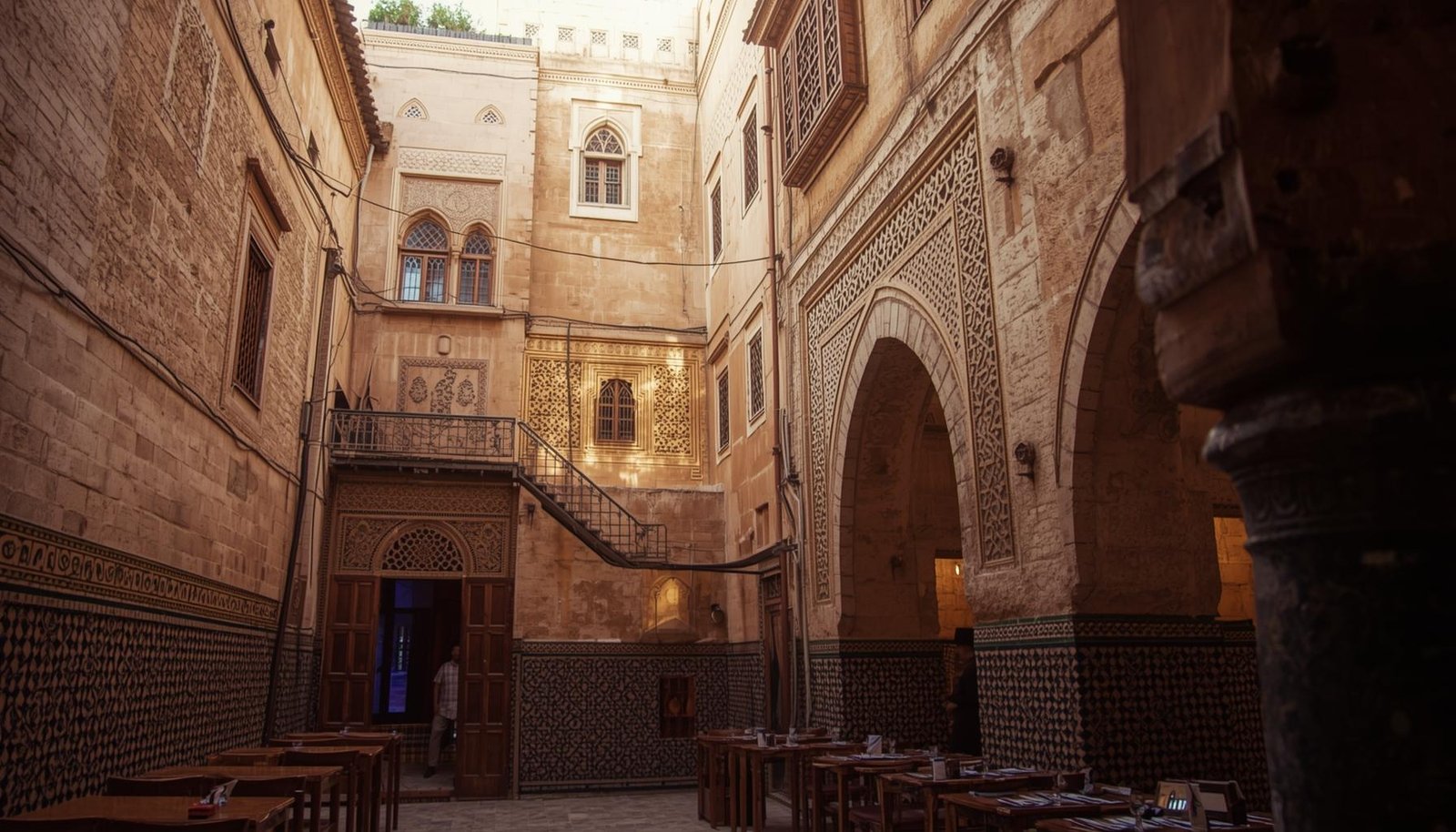
Understanding when Ramadan occurs and what to expect helps you plan effectively for your Moroccan journey during this special period.
Ramadan Dates and Timing
Ramadan follows the Islamic lunar calendar, meaning it shifts approximately 10-11 days earlier each year on the Gregorian calendar. The month lasts 29-30 days and is determined by moon sightings. For 2025, Ramadan is expected around late February to late March, while 2026 will likely see Ramadan in mid-February to mid-March.
Weather Considerations by Season
When Ramadan falls in winter months (December-February), you’ll experience:
– Cooler temperatures ranging from 10-20°C (50-68°F) in cities
– Potential rain in northern regions
– Comfortable sightseeing conditions during daylight hours
– Shorter fasting periods (approximately 11-13 hours)
– Ideal weather for desert excursions
When Ramadan occurs in spring (March-May):
– Pleasant temperatures between 15-25°C (59-77°F)
– Longer daylight and fasting hours (13-15 hours)
– Blooming landscapes, especially in the Atlas Mountains
– Excellent conditions for all types of travel activities
When Ramadan happens in summer (June-August):
– Hot temperatures, often exceeding 35°C (95°F) in cities
– Very long fasting periods (15-17 hours)
– More challenging conditions for fasting Moroccans
– Coastal areas provide relief from inland heat
When Ramadan falls in autumn (September-November):
– Comfortable temperatures returning (20-28°C/68-82°F)
– Moderate fasting hours (12-14 hours)
– Harvest season with abundant fresh produce
– Pleasant conditions for all regions of Morocco
Peak vs. Low Season Dynamics
Tourism naturally decreases during Ramadan, creating a “shoulder season” effect regardless of when it falls:
– Accommodation prices may decrease by 20-40%
– Flight availability remains good with competitive pricing
– Popular tourist sites have significantly fewer visitors
– Some tourist services operate on reduced schedules
Travel Cost Expectations
Ramadan can be budget-friendly for travelers:
– Hotel rates often drop during this period
– Street food and market prices remain consistent
– Some restaurants increase iftar buffet prices but offer good value
– Transportation costs stay stable
– Guided tours may offer special Ramadan-focused experiences at premium rates
Best Days Within Ramadan
The final 10 days of Ramadan, particularly Laylat al-Qadr (Night of Power), offer the most spiritually significant experiences. However, the first week allows you to learn customs gradually. Avoid arriving on the exact first day when schedules are still adjusting.
Step-by-Step Travel Guide for Experiencing Morocco During Ramadan
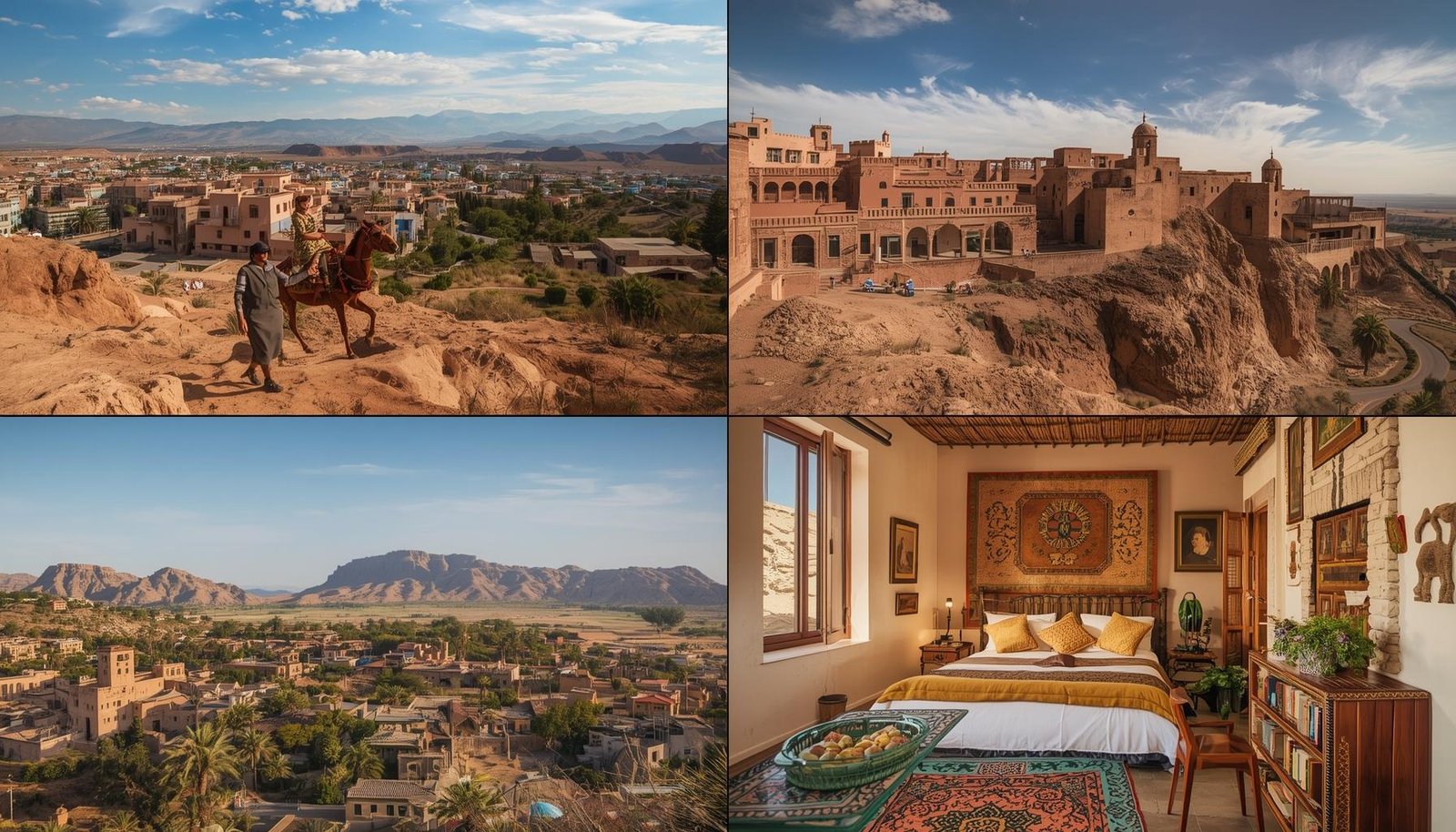
Successfully navigating Morocco during Ramadan requires thoughtful planning and cultural awareness. Follow these practical steps to ensure a respectful and enriching journey.
Step 1: Research and Mental Preparation (2-3 Months Before)
Begin by understanding what Ramadan means for Morocco:
– Watch documentaries or read about Islamic fasting practices
– Learn basic Arabic phrases related to Ramadan (“Ramadan Mubarak,” “Saha ftourkoum”)
– Adjust expectations about dining options and business hours
– Research which experiences matter most to you
When exploring Things to do in Morocco during Ramadan, consider which cities and experiences align with your interests. Many travelers seek Ramadan experiences in Marrakech for their first exposure to this sacred month.
Step 2: Book Accommodations with Ramadan in Mind (6-8 Weeks Before)
Select lodging that accommodates Ramadan schedules:
– Choose riads or hotels that serve breakfast during daylight hours for non-fasting guests
– Confirm whether the property offers iftar meals or can arrange them
– Look for accommodations near areas that remain active during the day
– Read recent reviews from travelers who visited during Ramadan
– Consider boutique properties where staff can provide cultural guidance
Step 3: Plan Your Daily Schedule Around Prayer Times (2-3 Weeks Before)
Understanding the rhythm of Ramadan days is essential:
– Download a prayer time app for Moroccan cities
– Note that many businesses close 1-2 hours before sunset for iftar preparation
– Plan major sightseeing activities for morning hours (9am-2pm)
– Schedule afternoon rest time at your accommodation (2pm-5pm)
– Reserve evenings for cultural experiences after iftar (8pm-midnight)
Step 4: Arrange Transportation and Tours (2-4 Weeks Before)
Transportation operates differently during Ramadan:
– Book train tickets in advance as Moroccans travel to family gatherings
– Confirm that your driver or tour guide operates during Ramadan
– Understand that some group tours may have modified schedules
– Consider private guides who can customize experiences around Ramadan
– Rent cars if you prefer flexibility, but avoid driving near sunset when roads become busy
Step 5: Pack with Cultural Sensitivity
Bring appropriate items for Ramadan travel:
– Modest clothing that covers shoulders and knees
– A scarf for women visiting mosques or religious sites
– Snacks and water for your room (avoid eating publicly during daylight)
– Hand sanitizer and tissues as facilities may be crowded at sunset
– Small gifts if you’ve been invited to iftar at someone’s home
– A headlamp for evening medina exploration when streets may be dimly lit
Step 6: Navigate Your First Day Mindfully
Upon arrival, orient yourself to Ramadan rhythms:
– Check prayer times immediately and note sunset time
– Observe where locals gather before iftar to find authentic experiences
– Visit your hotel’s concierge for Ramadan-specific recommendations
– Take a morning walk to locate open cafes and restaurants
– Rest during afternoon hours when the city slows down
– Plan to be near a restaurant or public square as sunset approaches
Step 7: Experience Iftar Authentically
Breaking the fast is Ramadan’s most special moment:
– Arrive at restaurants 30 minutes before sunset for the best experience
– Try communal iftar tents set up in major squares
– Accept invitations to share iftar with Moroccan families
– Start with dates and milk following Islamic tradition
– Sample harira soup, a Ramadan staple
– Pace yourself—iftar is a multi-course affair lasting 1-2 hours
Step 8: Explore Evening Morocco
Post-iftar hours reveal Morocco’s vibrant side:
– Visit medinas that come alive with shoppers and families (8pm-midnight)
– Attend special Tarawih prayers at major mosques (non-Muslims can often observe from designated areas)
– Enjoy traditional cafes filled with locals playing cards and socializing
– Experience rooftop terraces offering views of illuminated cities
– Shop in souks that extend hours during Ramadan
– Listen to street musicians and storytellers in public squares
Step 9: Respect Fasting Hours
Show cultural sensitivity during daylight:
– Avoid eating, drinking, or smoking in public spaces during daylight
– Consume food discreetly in your hotel room if needed
– Don’t photograph people eating in tourist restaurants
– Be understanding if service is slower or staff seem tired
– Offer water or dates as gifts rather than consuming them visibly
– Keep public displays of affection minimal, especially during Ramadan
Step 10: Participate in Charitable Activities
Ramadan emphasizes charity and community:
– Contribute to communal iftar programs that feed the needy
– Visit markets where volunteers distribute food before sunset
– Support local artisans by purchasing handicrafts
– Tip service workers generously, acknowledging their fasting effort
– Participate in hotel-organized charitable activities if offered
Benefits and Travel Experience Advantages
Visiting Morocco during Ramadan provides distinctive advantages that enhance your travel experience in meaningful ways:
Authentic Cultural Immersion
Ramadan strips away touristic facades, allowing you to witness Morocco as Moroccans experience it. You’ll see families gathering, traditions being passed to children, and communities supporting one another—cultural depth that remains hidden during typical tourist seasons.
Exceptional Culinary Journey
Food takes on profound significance during Ramadan. Special dishes prepared exclusively during this month become accessible to travelers. Sharing iftar meals creates intimate connections with Moroccan culture that ordinary restaurant visits cannot replicate.
Spiritual Enrichment
Even for non-Muslim travelers, Ramadan’s contemplative atmosphere offers opportunities for personal reflection. The collective discipline of fasting communities inspires mindfulness and gratitude, often prompting travelers to reassess their own values and priorities.
Memorable Evening Experiences
Morocco’s nightlife during Ramadan differs entirely from its usual rhythm. Cities pulse with family-friendly energy, traditional entertainment flourishes, and streets remain safe and vibrant until the early hours, creating unique photographic and social opportunities.
Budget-Friendly Travel
Reduced accommodation costs, fewer tourists competing for services, and excellent value at iftar buffets make Ramadan an economically advantageous time to visit Morocco without sacrificing quality experiences.
Meaningful Human Connections
Moroccans’ openness to sharing Ramadan with visitors creates opportunities for genuine friendship and cultural exchange. These connections often become the most treasured memories travelers take home.
Photography Opportunities
The visual transformation of Morocco during Ramadan—illuminated mosques, decorated streets, communal gatherings, and traditional foods—provides photographers with unique subjects unavailable during other times.
Educational Value
Witnessing Ramadan firsthand educates travelers about Islamic practices, challenging stereotypes and building cross-cultural understanding that extends far beyond the trip itself.
Tips, Alternative Ways to Explore, and Travel Advice
Maximize your Ramadan experience in Morocco with these specialized strategies and options:
For First-Time Ramadan Travelers
– Start in major cities (Marrakech, Fes, or Casablanca) where tourist infrastructure continues operating
– Book a cultural guide for your first day to learn Ramadan etiquette
– Join organized iftar experiences through hotels or tour companies
– Limit your itinerary to 2-3 cities to reduce stress during schedule changes
– Connect with expat communities online for real-time advice
Luxury Ramadan Experiences
– Book riads offering private iftar dinners in traditional courtyards
– Arrange private cultural guides who explain Ramadan significance at historical sites
– Schedule spa treatments during afternoon hours when you need relaxation
– Hire private drivers who understand tourist needs during Ramadan
– Select five-star hotels maintaining full restaurant service for international guests
Budget-Conscious Strategies
– Stay in guesthouses where owners often invite guests to family iftars
– Eat at communal iftar tents offering complete meals for minimal cost
– Shop at local markets during morning hours for fresh, inexpensive food
– Use public transportation, which continues normal operations
– Focus on free experiences like observing prayer calls and decorated medinas
Family Travel During Ramadan
– Choose accommodations with pools where children can refresh during afternoons
– Visit Morocco when Ramadan falls during school holidays
– Explain fasting concepts to children as a learning opportunity
– Carry snacks for kids but teach them to eat discreetly
– Participate in family-friendly iftar events at hotels catering to tourists
Solo Female Travelers
– Ramadan’s family-oriented atmosphere creates a particularly safe environment
– Dress modestly to blend with increased cultural conservatism
– Join women’s sections at communal iftars for authentic interactions
– Accept family iftar invitations, which often lead to meeting Moroccan women
– Use female-only accommodations if you prefer extra cultural comfort
Adventure and Outdoor Activities
– Desert trips continue but with adjusted schedules around prayer times
– Morning hikes in Atlas Mountains work well before afternoon heat
– Coastal activities remain available with some schedule flexibility
– Hot air balloon rides may adjust departure times
– Book adventure activities with companies experienced in Ramadan operations
Extended Ramadan Itineraries
– Spend the first week learning Ramadan rhythms in one city
– Move to rural areas during the middle weeks for authentic village experiences
– Return to a major city for the final ten days and Eid celebrations
– Allocate rest days to adapt to reversed daily schedules
– Include a coastal stop where relaxed atmospheres continue
Combining Ramadan with Eid Celebrations
– Stay through Eid al-Fitr (the festival ending Ramadan) for spectacular celebrations
– Witness special Eid prayers at dawn in major mosque squares
– Experience Eid feasting after a month of fasting discipline
– Participate in gift-giving traditions and family gatherings
– Understand that many businesses close for 2-3 days during Eid
Photography and Documentation
– Always ask permission before photographing people during Ramadan
– Capture iftar preparation scenes in markets during late afternoons
– Photograph illuminated mosques and decorated streets after sunset
– Document communal meals and family gatherings when invited
– Avoid photographing people eating during daylight hours
Connecting with Local Communities
– Use language exchange apps to meet Moroccans open to cultural sharing
– Volunteer with charitable organizations distributing iftar meals
– Attend cultural centers offering Ramadan programming for visitors
– Stay with local families through homestay programs
– Join cooking classes focused on Ramadan specialties
Common Travel Mistakes to Avoid
Anticipate and prevent these frequent errors that diminish Ramadan travel experiences in Morocco:
Mistake 1: Eating or Drinking Publicly During Daylight Hours
Many travelers unintentionally offend by consuming food or beverages in public spaces while Moroccans fast. While you’re not required to fast, public consumption shows disrespect.
Solution: Eat breakfast in your accommodation before venturing out. Carry water in your bag and drink discreetly in private spaces. If you need lunch, find tourist restaurants that quietly serve daytime meals or return to your hotel.
Mistake 2: Arriving Unprepared for Schedule Changes
Travelers often arrive expecting normal business hours, then feel frustrated when shops close, restaurants are shuttered, and attractions have modified schedules.
Solution: Research specific opening hours for your intended destinations. Contact hotels, restaurants, and tour operators directly to confirm Ramadan schedules. Build flexibility into your itinerary and embrace the altered rhythm rather than resisting it.
Mistake 3: Planning Dinner Reservations for Typical Times
Making dinner reservations for 7pm during Ramadan means you’ll arrive when restaurants are empty, missing the communal iftar experience entirely.
Solution: Check precise sunset times for each day of your trip. Make reservations for 30 minutes before sunset to participate in the breaking of fast. If you prefer quieter dining, wait until 8:30pm or later after the iftar rush.
Mistake 4: Underdressing or Ignoring Modesty Expectations
Ramadan heightens cultural conservatism, yet some travelers maintain typical tourist attire that becomes particularly inappropriate during this sacred month.
Solution: Pack clothing that covers shoulders, chest, and knees. Women should bring scarves for visiting religious sites. Even in tourist areas, dressing modestly shows respect and often improves local interactions.
Mistake 5: Scheduling Too Many Activities
Travelers sometimes plan packed itineraries, not realizing that Ramadan’s altered schedules and afternoon closures make this impossible and stressful.
Solution: Plan 2-3 quality experiences per day rather than attempting full-day tours. Schedule sightseeing for mornings, rest during afternoons, and experience cultural activities after sunset. Accept that you’ll see less but experience more deeply.
Mistake 6: Avoiding Morocco Entirely Due to Ramadan
The biggest mistake is not coming at all because of unfounded concerns that Ramadan ruins travel experiences.
Solution: Recognize that Ramadan offers unique experiences unavailable any other time. With proper planning and cultural awareness, this period provides some of Morocco’s most memorable travel moments.
Mistake 7: Being Inflexible with Travel Plans
Rigid schedules and inflexible expectations create frustration when faced with Ramadan’s fluid daily rhythms.
Solution: Embrace spontaneity. If a site is closed, explore neighborhoods instead. If a restaurant isn’t serving lunch, use the time to rest. The best Ramadan experiences often happen unplanned.
Mistake 8: Neglecting to Learn Basic Ramadan Phrases
Travelers who don’t learn appropriate greetings miss opportunities to connect with locals and show cultural respect.
Solution: Learn “Ramadan Mubarak” (Blessed Ramadan), “Saha ftourkoum” (Good breaking of fast), and “Allah y taqabal” (May God accept [your fasting]). These simple phrases open doors and hearts.
Mistake 9: Taking Sunset for Granted
Many travelers fail to plan around the dramatic moment when the call to prayer signals iftar, missing one of Morocco’s most spiritually powerful daily experiences.
Solution: Position yourself in a public square, restaurant, or medina entrance 15 minutes before sunset. Observe the anticipation, hear the call to prayer, and witness the collective relief as an entire nation breaks its fast simultaneously.
Mistake 10: Missing Eid Celebrations
Travelers sometimes depart just before Eid al-Fitr, the joyous festival marking Ramadan’s end, missing Morocco’s most festive celebration.
Solution: If your schedule allows, extend your trip to include the first day or two of Eid. The celebrations, special foods, festive atmosphere, and family gatherings provide a perfect conclusion to your Ramadan experience.
Accommodation and Practical Information
Successfully navigating Morocco during Ramadan requires understanding practical considerations that differ from typical travel periods:
Where to Stay During Ramadan
Traditional Riads
Riads (traditional Moroccan houses with interior courtyards) offer intimate Ramadan experiences. Many owners invite guests to share family iftar meals, providing authentic cultural immersion. Choose riads with breakfast service for non-fasting guests and ask about Ramadan-specific offerings when booking.
International Chain Hotels
Large hotels typically maintain normal services including daytime restaurants, making them comfortable for travelers adjusting to Ramadan schedules. Many offer special iftar buffets with traditional Ramadan dishes. These properties work well for families or those seeking familiar amenities.
Boutique Hotels
Mid-range boutique properties often strike the perfect balance, offering Ramadan cultural experiences while maintaining guest comfort. Staff at smaller properties can usually provide detailed guidance about navigating Ramadan in their city.
Location Considerations
Stay within walking distance of medinas or city centers where evening Ramadan activities concentrate. Proximity to mosques means you’ll hear the beautiful call to prayer but may experience noise during pre-dawn suhoor and evening Tarawih prayers.
Transportation Options
Trains
Morocco’s rail network (ONCF) operates normally during Ramadan, connecting major cities. Book tickets in advance as Moroccans travel to family gatherings. First-class provides comfortable space if you need to eat discreetly during daylight.
Buses
CTM and Supratours maintain regular schedules with possible minor adjustments. Overnight buses work particularly well during Ramadan, allowing you to travel while avoiding daytime fasting hours.
Taxis and Rideshares
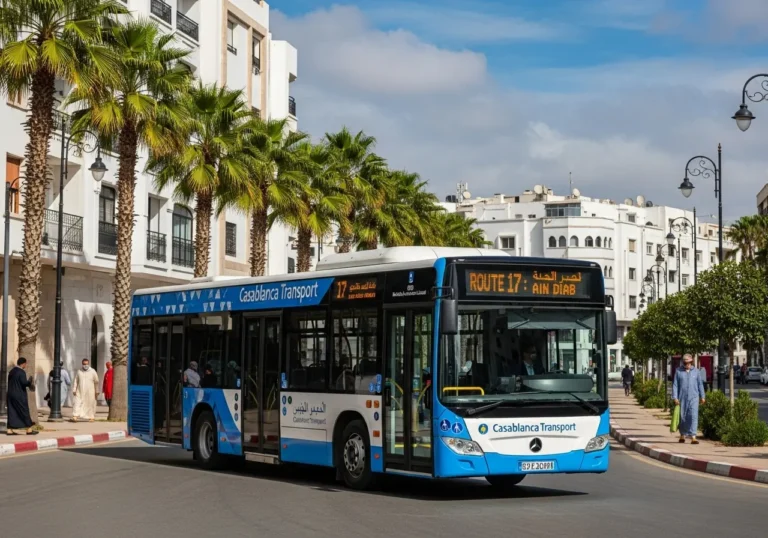
Grand taxis (shared taxis) and petits taxis (city cabs) operate normally. Avoid travel during the hour before sunset when roads become congested as people rush home for iftar. Rideshare apps like Careem work in major cities.
Rental Cars
Driving yourself offers maximum flexibility during Ramadan’s irregular schedules. Be extremely cautious near sunset when hungry, tired drivers rush home. Some rental agencies offer delivery to your hotel, saving you from navigating unfamiliar streets while locals drive urgently.
Guided Tours
Many tour operators offer Ramadan-specific itineraries with cultural guides explaining traditions. Private tours allow flexibility to adjust schedules as you learn Ramadan rhythms. Confirm that guides work during Ramadan and understand tourist needs.
Local Customs and Cultural Etiquette
Ramadan intensifies Morocco’s existing cultural norms:
– Greet people with “Ramadan Mubarak” or “Saha Ramdankoum.”
– Show extra patience with service workers who are fasting
– Decline food offerings during daylight if locals offer despite their own fasting
– Accept iftar invitations—refusing is considered impolite
– Remove shoes when entering homes for iftar meals
– Dress particularly modestly during this religious period
– Keep public displays of affection minimal
– Avoid controversial topics like religion or politics
– Observe prayer times respectfully when near mosques
– Don’t enter mosques during prayer times unless specifically welcomed
Safety Considerations
Morocco remains safe during Ramadan with some specific considerations:
– Roads become dangerous in the hour before sunset—avoid travel during this window
– Pickpockets may target crowds at popular iftar locations—secure valuables
– Streets are generally safer during Ramadan’s family-oriented evenings
– Emergency services operate normally
– Keep embassy contact information accessible
– Women often find Ramadan’s family atmosphere particularly safe
– Tourist police maintain visibility in major cities
– Scams decrease as religious observance emphasizes honesty
Currency and Money Matters
Currency
Morocco uses the Moroccan Dirham (MAD). Banks close earlier during Ramadan (typically 2pm) and may reduce branch hours. Exchange currency upon arrival at the airport or before entering Morocco.
ATMs
ATMs operate normally and provide the best exchange rates. Withdraw cash for several days at once since banks close early. Keep cash secured as you may carry more than usual.
Payment Methods
Cash dominates in Morocco, especially during Ramadan when smaller establishments may have limited card processing. Carry small bills for iftar tents and market purchases.
Tipping
Tip generously during Ramadan to acknowledge service workers’ fasting efforts. Restaurant tips of 10-15% are appreciated. Small tips for hotel staff, guides, and drivers demonstrate cultural understanding.
Essential Travel Information
Electricity
Morocco uses 220V with European-style two-round-pin plugs. Bring appropriate adapters.
Internet and Connectivity
Wi-Fi is widely available in accommodations. Consider purchasing a local SIM card (Maroc Telecom, Orange, or Inwi) for data access. Coverage is excellent in cities.
Language
Arabic and French dominate. English is increasingly common in tourist areas. Learn basic Arabic greetings and Ramadan-specific phrases to enhance interactions.
Health Precautions
Bring prescription medications as pharmacies may have reduced hours. Carry hand sanitizer. Drink bottled water. Travel insurance is recommended.
Documentation
Keep passport copies separate from originals. Many hotels require passport information at check-in. No special visas are required for most nationalities staying under 90 days.
Emergency Numbers
Police: 19
Ambulance: 15
Fire: 15
Tourist Police: Available in major tourist areas
Respect for Religious Practices
Non-Muslims cannot enter most Moroccan mosques, with limited exceptions. Observe from respectful distances. The Hassan II Mosque in Casablanca welcomes non-Muslim visitors outside prayer times.
Conclusion
Experiencing Morocco during Ramadan transforms ordinary travel into extraordinary cultural immersion. While this sacred month requires thoughtful preparation and respectful adaptation, the rewards far exceed the minor inconveniences of altered schedules and daylight dining limitations. Things to do in Morocco during Ramadan extend far beyond typical tourist activities, offering access to Morocco’s spiritual heart and communal traditions. From sharing iftar meals with Moroccan families to witnessing illuminated medinas coming alive after sunset, Ramadan reveals layers of Moroccan culture that remain hidden during ordinary travel periods. The Ramadan experiences in Marrakech and other Moroccan cities provide not just travel memories but transformative encounters with Islamic tradition, Moroccan hospitality, and human connection across cultural boundaries.
As you plan your Moroccan journey during this special month, remember that flexibility, respect, and curiosity serve as your most valuable assets. Embrace the slower pace of Ramadan afternoons, savor the festive energy of post-iftar evenings, and allow yourself to be welcomed into a culture where spiritual devotion and generous hospitality intertwine seamlessly. Whether you witness your first Ramadan in the bustling souks of Marrakech, the spiritual heart of Fes, or the coastal charm of Essaouira, you’ll return home with an understanding that transcends typical tourism.
Are you ready to experience Morocco during its most authentic and spiritually rich period? Start planning your Ramadan journey today, and prepare for a travel experience that will deepen your appreciation for Islamic culture, Moroccan traditions, and the universal values of community, discipline, and generosity. Share your own Ramadan travel stories in the comments below, or explore our related posts about visiting Morocco during this extraordinary time. Your Moroccan Ramadan adventure awaits—one that promises to transform not just your travel itinerary but your perspective on cross-cultural connection.
FAQs
Q1: Can non-Muslims visit Morocco during Ramadan?
Absolutely! Morocco welcomes non-Muslim travelers during Ramadan and expects no one to fast unless they choose to. Many visitors find Ramadan the most culturally rich time to visit. Tourist infrastructure continues operating with some schedule adjustments. Hotels serve meals to non-fasting guests, and select restaurants remain open during daylight hours. Show respect by not eating or drinking publicly during fasting hours, dressing modestly, and learning basic Ramadan greetings. Most Moroccans appreciate visitors’ interest in their holy month and often invite travelers to share iftar meals, creating memorable cultural exchanges.
Q2: Will restaurants be open during the day in Ramadan?
Restaurant availability during Ramadan varies by location and establishment type. In major tourist areas like Marrakech, Fes, and Essaouira, many hotels and tourist-oriented restaurants quietly serve lunch to international visitors. However, most local eateries close during daylight hours, reopening before sunset for iftar service. Your best strategy involves eating breakfast at your hotel, carrying snacks for your room, and planning to experience the special atmosphere of iftar meals when restaurants fully operate. Major hotels typically maintain normal restaurant service for guests. Some cafes near tourist sites serve food discreetly behind curtains during daylight hours.
Q3: Is Morocco safe to visit during Ramadan?
Morocco is generally very safe during Ramadan—in fact, many travelers find it safer than usual. The religious significance of Ramadan emphasizes good behavior, charity, and community values, creating a particularly welcoming atmosphere. Streets remain busy and well-lit during evenings when families gather, providing natural security. Crime rates typically decrease during this holy month. The main safety concern involves traffic in the hour before sunset when fasting drivers rush home for iftar—avoid travel during this window. Women travelers often find Ramadan’s family-oriented atmosphere especially comfortable. Standard travel precautions apply: secure valuables, use registered taxis, and keep embassy contact information accessible.
Q4: What should I wear in Morocco during Ramadan?
Dress more conservatively during Ramadan than you might during other times. Both men and women should cover shoulders, chests, and knees. Women benefit from packing loose-fitting pants or long skirts, modest tops, and a scarf for visiting religious sites or covering hair in particularly conservative areas. Men should wear long pants and shirts with sleeves. Avoid tight, revealing, or transparent clothing. In beach towns like Essaouira or Agadir, swimwear is acceptable at beaches and pools but cover up when leaving these areas. Moroccans appreciate visitors’ efforts to dress respectfully during their holy month, which often leads to warmer interactions and deeper cultural exchanges.
Q5: How much does it cost to visit Morocco during Ramadan?
Morocco becomes quite affordable during Ramadan due to reduced tourist numbers. Expect accommodation prices to decrease 20-40% compared to peak seasons. Budget travelers can find clean guesthouse rooms for $20-30 per night, while mid-range riads cost $50-80, and luxury properties range from $100-200. Iftar buffets at restaurants typically cost $10-20 per person, offering excellent value with traditional Ramadan dishes. Daily budget breakdown: accommodation ($30-80), food ($15-30), local transport ($5-10), attraction entry fees ($10-20), totaling approximately $60-140 per day depending on comfort level. Special Ramadan experiences like guided iftar tours or private cultural guides may add premium costs but provide exceptional value through authentic cultural access unavailable other times.