Is Morocco hot in April? A Clear Weather Guide for UK 2026
Have you ever wondered if April is the perfect time to explore the vibrant souks, golden deserts, and coastal cities of Morocco? The answer is yes—but understanding the weather patterns will make or break your travel experience. Morocco in April offers travelers an ideal blend of warm sunshine, comfortable temperatures, and fewer crowds compared to peak summer months.
Table of Contents
This comprehensive guide will help you understand exactly what to expect from Is Morocco hot in April conditions and provide essential insights into Morocco April weather patterns across different regions. Whether you’re planning to wander through Marrakech’s bustling medina, trek the Atlas Mountains, or relax on Essaouira’s beaches, understanding April’s climate will ensure you pack appropriately and maximize your Moroccan adventure.
Why Visit Morocco in April
April stands out as one of the most rewarding months to visit Morocco, offering travelers exceptional weather conditions and unique cultural experiences. Here’s what makes this destination particularly attractive during spring:
Ideal Weather Conditions: April delivers comfortable daytime temperatures ranging from 20-25°C (68-77°F) in most major cities, making it perfect for extensive sightseeing without the exhausting summer heat that can reach 40°C (104°F) by July.
Blooming Landscapes: The countryside transforms into a spectacular display of wildflowers, especially in the Atlas Mountains and coastal regions, creating stunning photography opportunities and enhanced scenic beauty.
Fewer Tourist Crowds: Unlike the peak season from May through September, April allows you to explore popular attractions like Jemaa el-Fnaa square, Hassan II Mosque, and Ait Benhaddou with significantly fewer tourists, enabling more authentic local interactions.
Cultural Festivals and Events: Spring brings various local celebrations and moussems (traditional Berber festivals), offering visitors a chance to witness authentic Moroccan culture beyond the typical tourist experience.
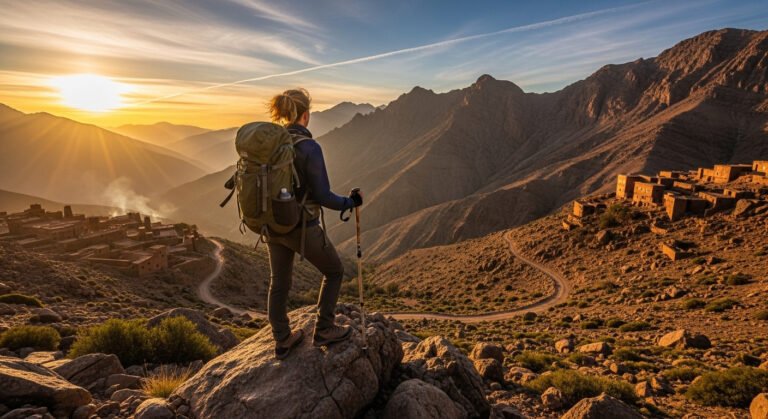
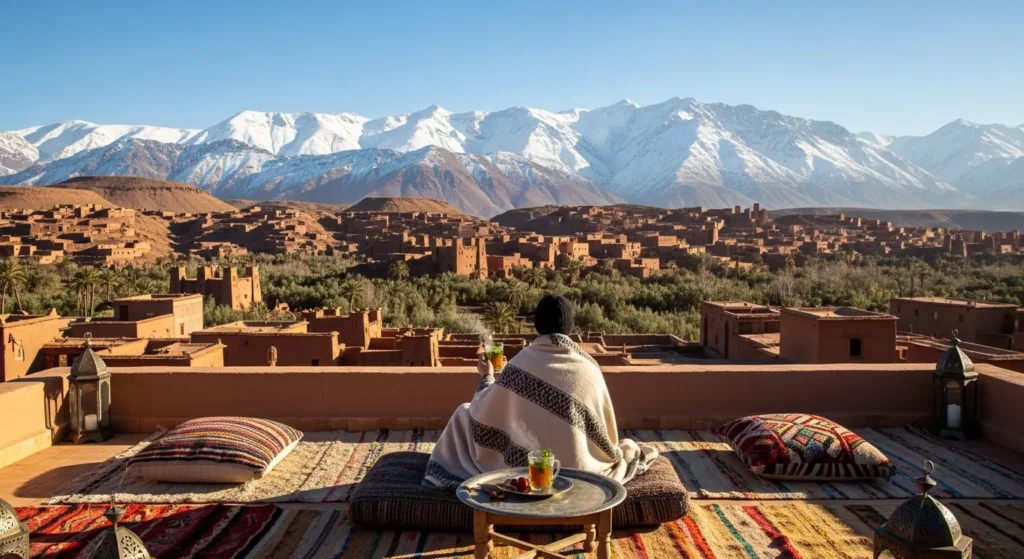
Outdoor Adventure Opportunities: The moderate temperatures make April ideal for hiking in Toubkal National Park, camel trekking in the Sahara Desert, and exploring the Dades Valley without extreme heat or cold.
Coastal Comfort: Beach destinations like Agadir, Essaouira, and Tangier become accessible with pleasant temperatures, though ocean waters remain slightly cool for swimming (around 17-18°C/63-64°F).
Affordable Travel Costs: April falls within the shoulder season, meaning lower accommodation rates, better availability in riads and boutique hotels, and more flexibility in booking guided tours and experiences.
Culinary Experiences: Spring produce enriches Moroccan cuisine, with fresh vegetables appearing in tagines, salads, and traditional dishes at local restaurants and food stalls.
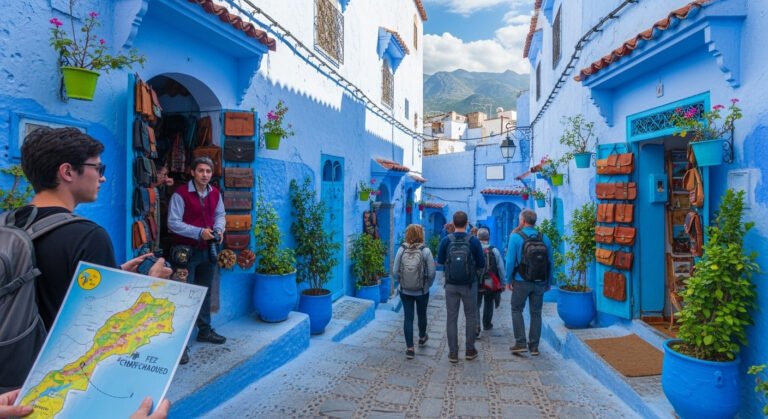
Photography Paradise: Clear skies, vibrant colors, and dramatic lighting conditions make April exceptional for travel photography, from the blue streets of Chefchaouen to the red walls of Marrakech.
Comfortable Desert Exploration: The Sahara Desert becomes far more enjoyable in April compared to scorching summer months, with overnight temperatures remaining mild rather than freezing as in winter months.
Best Time to Visit Morocco: Understanding April Weather Patterns
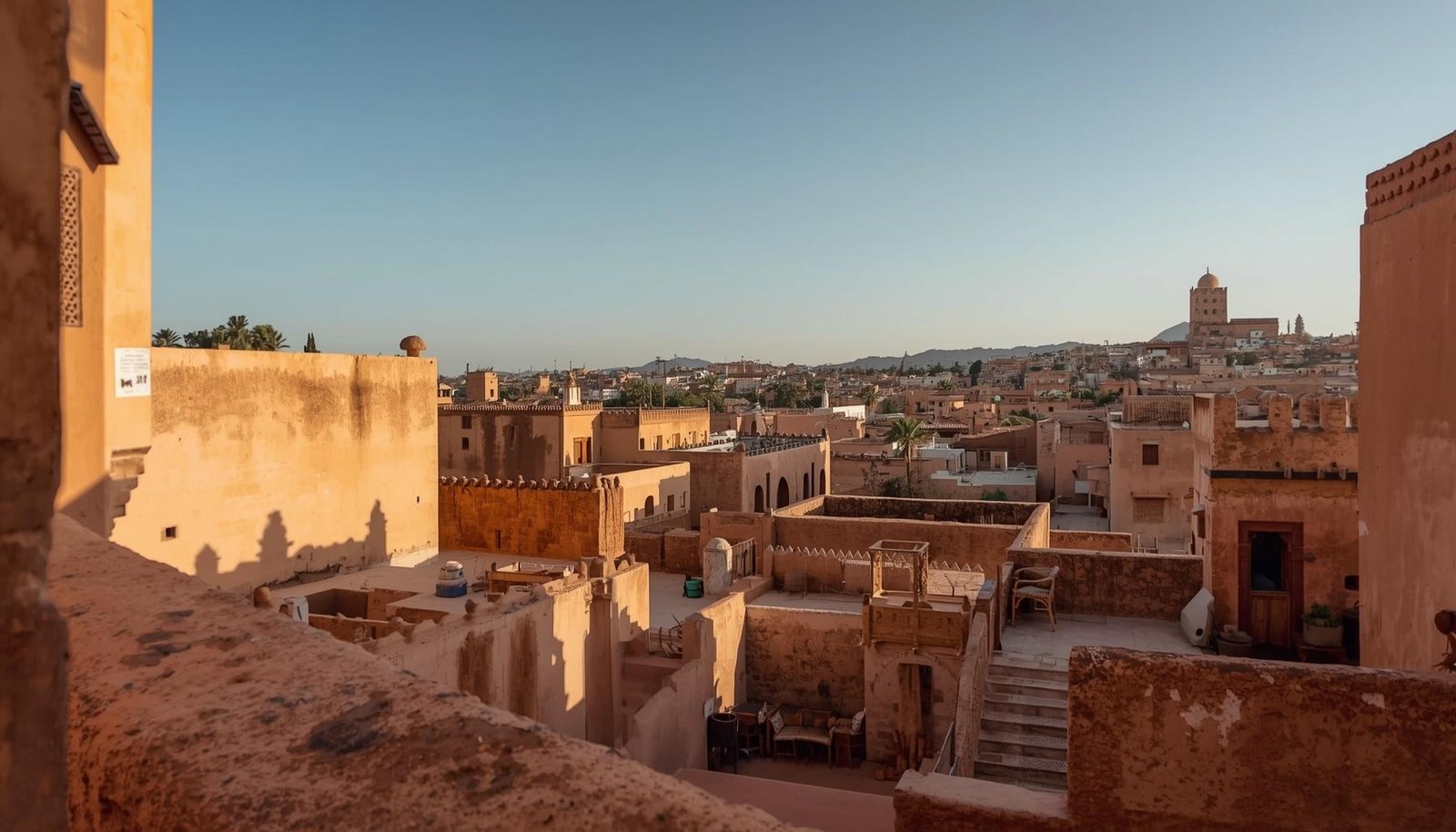
To properly answer whether Morocco is hot in April, we need to examine the climate variations across Morocco’s diverse geographical regions:
Northern Coastal Cities (Tangier, Tetouan, Asilah)
– Daytime temperatures: 18-22°C (64-72°F)
– Nighttime temperatures: 11-14°C (52-57°F)
– Rainfall: Moderate possibility, averaging 5-7 days
– Ocean temperature: Cool at 17°C (63°F)
Atlantic Coast (Casablanca, Rabat, Essaouira)
– Daytime temperatures: 20-23°C (68-73°F)
– Nighttime temperatures: 12-15°C (54-59°F)
– Ocean breezes provide comfortable conditions
– Occasional morning fog along coastal areas
Marrakech and Central Morocco
– Daytime temperatures: 24-28°C (75-82°F)
– Nighttime temperatures: 12-16°C (54-61°F)
– Warm and dry with minimal rainfall
– Significant temperature drop after sunset
Fes and Meknes (Inland Imperial Cities)
– Daytime temperatures: 20-25°C (68-77°F)
– Nighttime temperatures: 10-14°C (50-57°F)
– Pleasant spring conditions with occasional showers
Atlas Mountains Region
– Daytime temperatures: 15-20°C (59-68°F) at elevation
– Nighttime temperatures: 5-10°C (41-50°F)
– Higher elevations may still have snow patches
– Perfect for trekking with proper layered clothing
Sahara Desert (Merzouga, Zagora)
– Daytime temperatures: 28-32°C (82-90°F)
– Nighttime temperatures: 15-18°C (59-64°F)
– Dry climate with clear skies
– Comfortable compared to extreme summer heat
Peak vs. Shoulder Season Comparison
April represents the shoulder season in Morocco, positioning itself between winter (December-February) and peak summer season (June-August). This timing offers distinct advantages:
– Accommodation costs: 20-30% lower than summer rates
– Flight prices: More affordable than peak season
– Attraction accessibility: Popular sites are less crowded
– Local interaction: More genuine experiences possible
– Booking flexibility: Last-minute arrangements are easier
What to Expect Cost-Wise in April
Budget travelers can comfortably explore Morocco for €30-50 per day, mid-range travelers should budget €70-120 daily, while luxury experiences range from €150-300+ per day. These estimates include accommodation, meals, transportation, and entrance fees.
Step-by-Step Travel Guide to Experiencing Morocco in April
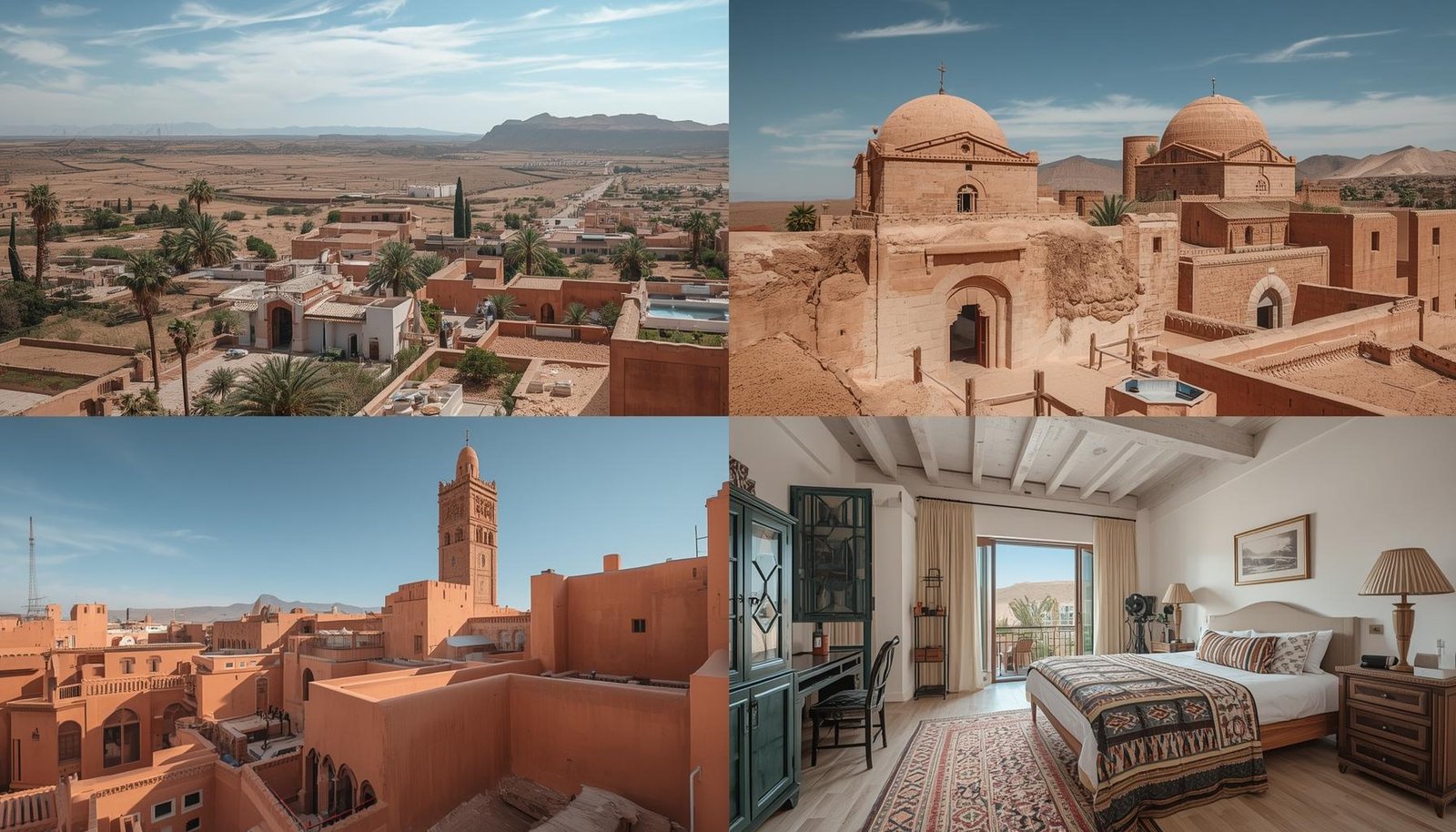
Follow this comprehensive roadmap to plan your perfect Moroccan spring adventure:
Step 1: Research and Route Planning (2-3 months before)
Begin by determining which regions align with your interests. Classic itineraries include the “Imperial Cities Circuit” (Casablanca-Rabat-Meknes-Fes-Marrakech) or the “Desert and Coast” route (Marrakech-Atlas Mountains-Sahara-Essaouira). Consider whether Is Morocco hot in April conditions suit your preferred activities—April’s moderate climate makes it excellent for combining city exploration with outdoor adventures.
Step 2: Book Flights and Accommodation (1-2 months before)
Secure flights to major entry points like Marrakech Menara Airport, Casablanca Mohammed V Airport, or Fes-Saïss Airport. April’s Morocco April weather attracts many visitors, so book accommodations early. Consider traditional riads in medinas for authentic experiences, or beach resorts for coastal stays.
Step 3: Arrange Transportation (3-4 weeks before)
Decide between renting a car (offering maximum flexibility), hiring a private driver (stress-free navigation), or using trains and buses (budget-friendly option). Morocco’s ONCF trains connect major cities efficiently, while CTM buses serve smaller towns. Book domestic flights if traveling between distant regions like Marrakech and Tangier.
Step 4: Plan Daily Activities and Excursions (2-3 weeks before)
Create a balanced itinerary mixing cultural visits, outdoor activities, and relaxation. Pre-book popular experiences like cooking classes, desert overnight camps, Atlas Mountain treks, and hammam spa treatments. April’s pleasant weather allows full-day excursions without weather-related cancellations.
Step 5: Prepare Travel Documents and Health Essentials (2 weeks before)
Ensure your passport has six months’ validity. Most nationalities receive visa-free entry for up to 90 days. Purchase comprehensive travel insurance covering medical emergencies and trip interruptions. Consult your doctor about recommended vaccinations and pack a basic first-aid kit with anti-diarrheal medication, sunscreen, and any prescription medicines.
Step 6: Pack Strategically for Variable Temperatures (1 week before)
April weather requires versatile clothing. Pack lightweight layers, including:
– Breathable cotton shirts and trousers for daytime
– Light sweater or jacket for evening temperature drops
– Comfortable walking shoes (you’ll walk extensively)
– Sun protection: hat, sunglasses, SPF 30+ sunscreen
– Modest clothing respecting local customs (covering shoulders and knees)
– Scarf or shawl (multipurpose for sun protection and mosque visits)
– Light rain jacket for occasional showers
Enjoy Your Stay in Morocco – A Blend of Culture and Comfort
Morocco is a captivating destination that blends ancient traditions with modern comfort. From the bustling souks of Marrakech to the serene beaches of Agadir, every city offers a unique charm and warm hospitality. Whether you’re looking for luxury resorts, boutique riads, or budget-friendly hotels, you’ll find the perfect stay with Trip.com.
Discover the cultural treasures of Fes, the coastal elegance of Casablanca, and the desert adventures of Marrakech. With secure booking, exclusive deals, and 24/7 support, Trip.com makes your Moroccan getaway easy and enjoyable.
Step 7: Arrange Local Currency and Payment Methods (1 week before)
Exchange some currency to Moroccan Dirhams (MAD) before arrival or withdraw from ATMs at the airport. Carry cash for small purchases in souks, taxis, and rural areas. Inform your bank about travel dates to prevent card blockages. Credit cards work in hotels and larger restaurants but aren’t universally accepted.
Step 8: Download Essential Apps and Save Important Information
Install offline maps (Maps.Me works excellently in Morocco), translation apps (Google Translate with Arabic and French), and ride-hailing apps (Careem or inDrive for major cities). Save emergency contacts, accommodation addresses in Arabic, and your country’s embassy information.
Step 9: Arrival Day Strategy
Upon landing, purchase a local SIM card (Maroc Telecom, Orange, or Inwi offer tourist packages) for navigation and communication. Arrange airport transfer in advance or use official airport taxis with fixed rates. Take time to acclimate, rest, and adjust to the time zone before intensive sightseeing.
Step 10: Immerse and Adapt
Embrace the Moroccan pace of life. Negotiate respectfully in souks (start at 40-50% of the asking price), accept mint tea invitations for cultural connection, try street food from busy stalls (indicating freshness), and remain flexible as plans may shift—this spontaneity often leads to the most memorable experiences.
Benefits and Travel Experience Advantages of Visiting Morocco in April
Choosing April for your Moroccan journey delivers numerous tangible benefits that enhance your overall travel experience:
Optimal Climate Comfort: The moderate temperatures allow you to explore extensively without heat exhaustion common in summer months. You can comfortably spend full days wandering through medinas, climbing kasbahs, or hiking mountain trails without wilting under intense heat.
Enhanced Photography Conditions: April’s clear skies, vibrant spring colors, and ideal lighting conditions create spectacular photography opportunities. The softer light compared to harsh summer sun produces better images of architecture, landscapes, and street scenes.
Authentic Cultural Interactions: With fewer tourists competing for attention, locals have more time for genuine interactions. Shop owners, restaurant staff, and guides offer more personalized service and authentic cultural exchanges beyond transactional relationships.
Budget Optimization: Shoulder season pricing means your travel budget stretches further. The savings on accommodation can fund additional experiences like hot air balloon rides over Marrakech, private hammam sessions, or extended desert excursions.
Flexible Spontaneity: Lower tourist volumes mean last-minute bookings become possible. You can extend stays in places you love, book same-day tours, or change itineraries without facing fully-booked accommodations and experiences.
Comfortable Desert Exploration: The Sahara Desert becomes accessible and enjoyable in April. Daytime desert temperatures remain bearable for camel treks, while nighttime doesn’t drop to the bone-chilling cold of winter months, making overnight desert camps comfortable.
Culinary Discovery: Spring produce enriches Moroccan cuisine. Fresh fava beans appear in traditional dishes, strawberries reach peak sweetness, and seasonal vegetables enhance tagines. Food markets overflow with colorful, fresh ingredients.
Physical Activity Comfort: Moderate temperatures make Morocco’s adventure activities genuinely enjoyable rather than endurance tests. Hiking, cycling, quad biking, and horseback riding become pleasurable rather than physically taxing in extreme heat.
Coastal Accessibility: Beach destinations transition from winter quiet to spring activity. While ocean swimming remains cool, beach walks, water sports, and seafood dining become attractive options without summer crowds.
Professional Productivity: For digital nomads and remote workers, April offers comfortable working conditions in Morocco’s growing number of coworking spaces, with pleasant after-work exploration opportunities and reliable internet connectivity.
Tips, Alternative Ways to Explore, and Travel Advice for Morocco in April
Maximize your Moroccan experience with these strategic approaches tailored to different travel styles:
For Luxury Travelers
Book boutique riads with rooftop pools in Marrakech’s medina, arrange private guided tours with expert historians, hire personal drivers for intercity travel, and indulge in traditional hammam treatments at upscale spas. Consider luxury desert camps offering private tents, gourmet meals, and exclusive entertainment. Splurge on hot air balloon rides at sunrise over Marrakech or exclusive wine tastings near Meknes.
For Budget-Conscious Explorers
Stay in hostels or budget riads with shared facilities, use public transportation (trains and CTM buses), eat at local food stalls and neighborhood restaurants rather than tourist-oriented establishments, and join group tours to split costs. Shop for picnic supplies in local markets rather than expensive tourist restaurants. Many mosques, gardens, and architectural sites offer free or minimal entrance fees.
For Family Travelers
Choose accommodations with family rooms or connecting suites, pace your itinerary with rest days between intensive sightseeing, incorporate child-friendly activities like camel rides, pottery workshops, and beach time. April’s weather suits families perfectly—not too hot for young children. Many riads offer cooking classes where children can participate in making Moroccan bread or simple tagines.
For Adventure Seekers
Focus on active experiences: multi-day Atlas Mountain treks, surfing lessons in Taghazout, rock climbing in Todra Gorge, quad biking in desert dunes, or mountain biking through Berber villages. April’s temperatures make strenuous activities comfortable. Consider white-water rafting in the High Atlas or paragliding over coastal landscapes.
For Cultural Enthusiasts
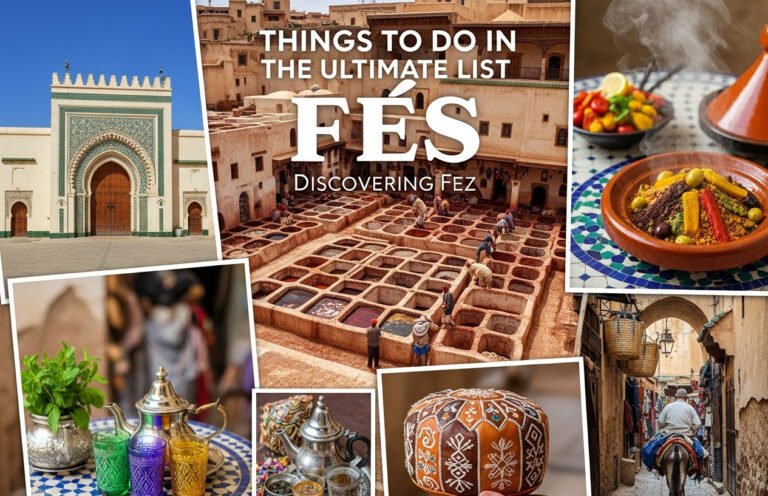
Prioritize historical sites, museums, traditional craft workshops, and local festivals. Engage professional cultural guides who provide historical context beyond basic information. Attend traditional music performances, visit working tanneries in Fes, participate in cooking classes, and spend time in local cafés observing daily life. Schedule visits to lesser-known architectural gems beyond the standard tourist circuit.
For Solo Travelers
Join group tours for desert excursions and day trips to meet fellow travelers while maintaining independence in cities. Stay in social accommodations like popular riads with communal areas. Morocco is generally safe for solo travelers, though women should dress modestly and exercise standard urban caution. Consider women-only hammams for comfortable spa experiences.
Traveling During Ramadan
If your April visit coincides with Ramadan (dates vary annually based on the lunar calendar), adapt your approach. Many restaurants close during daylight hours, but tourist-oriented establishments remain open. Experience the special atmosphere of sunset iftar meals, breaking the fast. Respect fasting Muslims by avoiding eating, drinking, or smoking publicly during daylight. Tourist sites maintain normal hours, and travel remains feasible with planning.
Self-Guided vs. Guided Experiences
Major cities like Marrakech, Fes, and Casablanca allow independent exploration, though hiring guides for complex medinas helps orientation and provides cultural insights. Desert trips typically require organized tours unless you have 4WD experience and navigation skills. Atlas Mountain treks benefit from guides familiar with routes and local communities. Balance independent wandering with expert-led experiences for optimal learning.
Regional Focus Strategies
Rather than rushing through Morocco’s highlights in one trip, consider focusing on one or two regions for deeper exploration. A northern Morocco trip could emphasize Tangier, Chefchaouen, Tetouan, and the Rif Mountains. A southern focus might combine Marrakech, Atlas Mountains, desert regions, and coastal Essaouira. This approach reduces travel fatigue and allows more meaningful experiences.
Extended Stay Opportunities
April’s pleasant weather makes it ideal for month-long stays or slow travel. Consider basing yourself in one city like Marrakech or Essaouira, taking day trips to surrounding areas while enjoying the rhythm of local life. Monthly apartment rentals become cost-effective and provide authentic neighborhood experiences unavailable to short-term visitors.
Common Travel Mistakes to Avoid When Visiting Morocco in April
Learn from common traveler errors to ensure a smooth Moroccan adventure:
Mistake 1: Underpacking for Temperature Variations
Problem: Travelers assume “warm April weather” means they need only summer clothing, then suffer in chilly mountain evenings or air-conditioned restaurants.
Solution: Pack layers that adapt to 15-20°C temperature swings between day and night. Include a light jacket or sweater for evenings, especially in Marrakech, Fes, and mountain regions where temperatures drop significantly after sunset.
Mistake 2: Over-Scheduling Without Rest Days
Problem: Ambitious itineraries cramming multiple cities and regions into short timeframes lead to exhaustion and superficial experiences.
Solution: Build rest days into your itinerary, especially after long travel days. Plan no more than 2-3 major activities daily, allowing time for spontaneous discoveries. Morocco rewards slow exploration rather than rushed checklists.
Mistake 3: Neglecting Ramadan Research
Problem: Visitors arriving during Ramadan without preparation face closed restaurants, altered business hours, and cultural misunderstandings.
Solution: Check if your April dates overlap with Ramadan (dates shift annually). Research how it affects your planned activities and adjust expectations. Embrace the unique cultural opportunity while respecting religious practices.
Mistake 4: Accepting First Prices in Souks
Problem: Paying initial asking prices in markets means overpaying significantly, sometimes by 300-400%.
Solution: Expect negotiation as standard practice, not rudeness. Start counteroffers at 40-50% of the asking price, negotiate respectfully, and be willing to walk away. Know approximate fair prices by observing multiple vendors before purchasing.
Mistake 5: Drinking Tap Water
Problem: Morocco’s tap water, while treated, can cause digestive issues for visitors unaccustomed to local bacteria.
Solution: Drink only bottled water (widely available and inexpensive). Use bottled water for brushing teeth. Avoid ice in drinks unless you’re certain it’s made from purified water. This simple precaution prevents common traveler’s diarrhea.
Mistake 6: Underestimating Medina Navigation Complexity
Problem: Wandering into medinas without preparation leads to disorientation, stress, and potential scams from “helpful” guides demanding payment.
Solution: Download offline maps before entering medinas, take photos of distinctive landmarks to retrace steps, or hire official guides for initial orientation. If lost, ask shopkeepers rather than street hustlers for directions.
Mistake 7: Inappropriate Clothing Choices
Problem: Wearing revealing clothing invites unwanted attention and prevents entry to religious sites, causing discomfort and limiting experiences.
Solution: Pack modest clothing covering shoulders, chest, and knees. Both men and women should dress conservatively, especially outside coastal resort areas. Bring a scarf for mosque visits and conservative medina exploration.
Mistake 8: Misunderstanding Taxi Etiquette
Problem: Not negotiating taxi fares beforehand or accepting initial prices leads to overcharging and conflict at destinations.
Solution: In cities without meters (or where drivers refuse to use them), negotiate and agree on fares before entering the vehicle. Know approximate distances and fair prices. Use ride-hailing apps like Careem in major cities for transparent pricing.
Mistake 9: Skipping Travel Insurance
Problem: Medical emergencies, trip cancellations, or lost luggage create financial disasters without insurance coverage.
Solution: Purchase comprehensive travel insurance covering medical evacuation, trip interruption, and lost belongings. Morocco has quality private hospitals, but medical tourism insurance ensures access without upfront costs.
Mistake 10: Ignoring Local Meal Times
Problem: Expecting dinner at 6 PM finds restaurants empty or closed, while breakfast assumptions miss local timing.
Solution: Adapt to Moroccan dining schedules: light breakfast (7-10 AM), substantial lunch (12:30-3 PM), and late dinner (8-10 PM). Many restaurants don’t open for dinner before 7 PM. Plan accordingly to enjoy meals when establishments operate at peak quality.
Mistake 11: Overlooking Friday Timing
Problem: Planning major sightseeing on Friday mornings conflicts with Jummah prayers when many businesses close temporarily.
Solution: Schedule Friday mornings for relaxed activities like café visits, hotel pool time, or park walks. Plan intensive sightseeing and shopping for Friday afternoons when businesses reopen after prayers.
Mistake 12: Expecting Western Punctuality
Problem: Frustration mounts when tours, reservations, and services don’t operate on precise Western schedules.
Solution: Embrace “Moroccan time” with patience and flexibility. Build buffer time into schedules, confirm bookings the day before, and maintain a relaxed attitude when things start 15-30 minutes later than planned—this is cultural norm, not disrespect.
Accommodation and Practical Information for April Travel
Navigate Morocco’s practical aspects with confidence using this essential information:
Accommodation Options and Recommendations
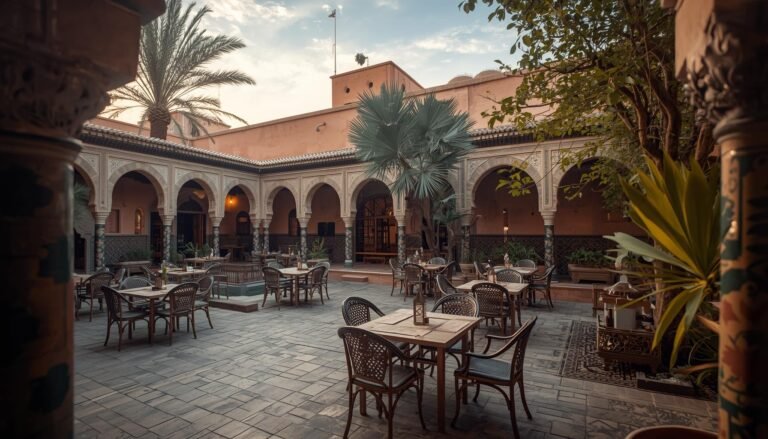
Traditional Riads: These converted historic houses in medinas offer authentic experiences with central courtyards, rooftop terraces, and typically 4-10 rooms. April rates range from €40-150 depending on luxury level. Book riads near main medina squares for easier navigation. Popular options include Riad Yasmine in Marrakech and Riad Laaroussa in Fes.
Modern Hotels: International chains and Moroccan hotel groups offer familiar comfort with amenities like pools, gyms, and reliable WiFi. Expect €60-200 nightly in April. Hotels locate outside medinas but provide shuttle services. Hivernage and Guéliz neighborhoods in Marrakech offer numerous options.
Beach Resorts: Coastal destinations like Agadir and Essaouira feature resort hotels with ocean views, pools, and direct beach access. April shoulder season rates drop 20-30% from summer prices, ranging €70-250 nightly.
Budget Hostels: Major cities have quality hostels offering dorm beds (€8-15) and private rooms (€25-40). Social hostels facilitate meeting fellow travelers. Highly-rated options include Equity Point Marrakech and The Dreaming Nomad in Merzouga.
Desert Camps: Overnight Sahara experiences range from basic Berber camps (€30-50) to luxury glamping (€150-400) with private tents, proper bathrooms, and gourmet meals. April’s moderate temperatures make overnight desert stays comfortable without summer heat or winter cold.
Dar Guesthouses: Smaller than riads, these family-run guesthouses offer intimate, personal experiences with 2-4 rooms. Hosts often prepare homemade meals and provide local insights. Prices range €25-70 nightly.
Transportation Essentials
Trains: ONCF operates efficient rail service connecting Tangier, Rabat, Casablanca, Marrakech, and Fes. First-class compartments offer comfort for longer journeys (€15-30 between major cities). Book online or at stations; April rarely requires advance booking except for overnight trains.
Buses: CTM and Supratours provide intercity service to destinations without rail access. Comfortable, air-conditioned buses cost significantly less than trains (€8-20 for long routes). Purchase tickets one day in advance for popular routes.
Petit Taxis: Small taxis (usually Dacia Logans or Fiat Unos) operate within cities, accommodating up to three passengers. Meters exist but drivers often prefer negotiated fares. Typical city rides cost 10-30 dirhams (€1-3).
Grand Taxis: Larger Mercedes taxis serve intercity routes, departing when full with six passengers. Uncomfortable but cheap (€2-5 for regional trips). You can pay for multiple seats for comfort.
Rental Cars: Renting offers maximum flexibility for exploring remote areas and coastal routes. International companies and local agencies operate at airports. Expect €25-50 daily in April. International driving permits recommended but not always required. Defensive driving essential—Moroccan road culture differs significantly from Western norms.
Domestic Flights: Royal Air Maroc connects distant cities like Marrakech-Tangier or Casablanca-Ouarzazate. Book when traveling long distances in limited time. Prices vary from €40-120 depending on route and timing.
Local Customs and Cultural Etiquette
Greetings: Moroccans value politeness. Greet shopkeepers and service providers with “Salam alaikum” (peace be upon you) or French “Bonjour.” Handshakes are standard among men; wait for women to extend their hand first, as some prefer not to shake hands with men.
Bargaining: Negotiation is cultural practice in souks and with unofficial services. Remain friendly, smile, and never negotiate for something you don’t intend to purchase. Walking away often produces the best prices.
Photography: Always ask permission before photographing people, especially women. Many expect small tips for posed photos. Avoid photographing police, military installations, or border areas.
Religious Respect: Non-Muslims cannot enter most active mosques (Hassan II Mosque in Casablanca is a notable exception). Remove shoes when entering homes or certain establishments. During Ramadan, avoid eating, drinking, or smoking publicly during daylight hours.
Dining Etiquette: When invited to homes, remove shoes at the entrance. Eat with your right hand when sharing communal dishes. Compliment the food—hospitality is central to Moroccan culture. Bringing small gifts (pastries, tea, or something from your country) is appreciated.
Safety Considerations
Morocco ranks among Africa’s safest travel destinations, but standard precautions apply:
Petty Crime: Pickpocketing occurs in crowded areas like Jemaa el-Fnaa square and busy medinas. Use money belts, keep valuables in front pockets, and maintain awareness in crowds.
Scams: Common schemes include fake guides offering “free” tours then demanding payment, carpet shop pressure tactics, and taxi overcharging. Politely but firmly decline unsolicited assistance, agree on prices beforehand, and know fair market rates.
Solo Women Travelers: Morocco is manageable for solo women with appropriate precautions. Dress modestly, maintain confident body language, ignore street harassment, and trust your instincts. Consider women-only accommodations or tour groups if uncomfortable.
Health Precautions: No required vaccinations for Morocco, though hepatitis A, typhoid, and routine vaccines are recommended. Travel insurance covering medical evacuation provides peace of mind. Pharmacies are well-stocked with common medications.
Currency and Money Management
Moroccan Dirham (MAD): Official currency with coins and notes. Exchange rates fluctuate around €1 = 10.5 MAD and $1 = 10 MAD (rates vary).
ATMs: Widely available in cities and towns, dispensing up to 2,000-5,000 dirhams per transaction. Notify your bank before travel to prevent card blocks. Withdrawal fees typically apply.
Money Exchange: Airport exchanges offer convenience but poor rates. City banks and official exchange bureaus (Bureau de Change) provide better rates. Avoid unofficial money changers.
Credit Cards: Accepted in hotels, upscale restaurants, and some shops, but cash dominates daily transactions. Carry dirhams for souks, taxis, small restaurants, and rural areas.
Tipping Customs: Restaurant service deserves 10% tips if service charge isn’t included. Tip hotel staff 10-20 dirhams for assistance, hammam attendants 20-40 dirhams, and tour guides 50-100 dirhams daily depending on service quality.
Communication and Connectivity
Languages: Arabic (Darija dialect) and Berber are native languages. French is widely spoken in business and tourism. English is common in tourist areas but limited elsewhere. Learning basic Arabic or French phrases enhances interactions.
Mobile Service: Purchase local SIM cards at airports or phone shops for €5-15 with data packages. Coverage is excellent in cities and most tourist routes. Major carriers include Maroc Telecom, Orange (Meditel), and Inwi.
WiFi Access: Most accommodations, cafés, and restaurants offer free WiFi, though speeds and reliability vary. Download maps, translation apps, and essential information before relying solely on mobile connectivity.
Emergency Contacts: Police (19), ambulance (15), fire (15). Tourist police operate in major cities specifically to assist visitors. Save your embassy contact information before travel.
Conclusion: Your April Morocco Adventure Awaits
Morocco in April presents an exceptional opportunity for travelers seeking comfortable weather, authentic cultural experiences, and diverse adventures across this North African gem. Understanding whether Is Morocco hot in April reveals that the month offers ideal conditions—warm enough for enjoyable exploration yet moderate enough to avoid summer’s intense heat. The comprehensive insights about Morocco April weather patterns across different regions empower you to pack appropriately, choose suitable destinations, and plan activities matching your comfort preferences.
From the vibrant chaos of Marrakech’s souks to the serene blue streets of Chefchaouen, from challenging Atlas Mountain treks to peaceful Sahara sunsets, Morocco’s April climate facilitates experiences that might prove uncomfortable or impossible during extreme seasons. The shoulder season advantages—fewer crowds, lower prices, blooming landscapes, and authentic local interactions—transform your journey from mere sightseeing into meaningful cultural immersion.
Your Moroccan adventure requires thoughtful preparation: understanding regional climate variations, respecting local customs, avoiding common traveler mistakes, and maintaining flexibility when plans shift. Whether you choose luxury riads, budget hostels, guided tours, or independent exploration, April’s favorable conditions support diverse travel styles and budgets.
Now armed with comprehensive knowledge about Morocco’s April climate, practical logistics, and cultural considerations, you’re prepared to craft your perfect itinerary. Don’t let another year pass without experiencing Morocco’s magical blend of ancient traditions, stunning landscapes, and warm hospitality during its most pleasant season.
Ready to start planning? Share your Morocco travel questions in the comments below, or explore our related guides on specific Moroccan destinations. Have you visited Morocco in April? Share your experience to help fellow travelers prepare for their adventures!
Enjoy Your Stay in Morocco – A Blend of Culture and Comfort
Morocco is a captivating destination that blends ancient traditions with modern comfort. From the bustling souks of Marrakech to the serene beaches of Agadir, every city offers a unique charm and warm hospitality. Whether you’re looking for luxury resorts, boutique riads, or budget-friendly hotels, you’ll find the perfect stay with Trip.com.
Discover the cultural treasures of Fes, the coastal elegance of Casablanca, and the desert adventures of Marrakech. With secure booking, exclusive deals, and 24/7 support, Trip.com makes your Moroccan getaway easy and enjoyable.
FAQs About Visiting Morocco in April
Q1: What should I pack for Morocco in April?
Pack versatile layers accommodating 15-20°C temperature variations between day and night. Include lightweight cotton clothing for daytime, a light jacket or sweater for evenings, comfortable walking shoes, sun protection (hat, sunglasses, SPF 30+ sunscreen), modest attire covering shoulders and knees, and a scarf for multiple purposes. Add a light rain jacket for occasional showers, especially in northern regions. Don’t forget a reusable water bottle, basic first-aid supplies, and any prescription medications.
Q2: Is April a good time to visit the Sahara Desert?
Absolutely! April is one of the best months for Sahara experiences. Daytime temperatures reach comfortable 28-32°C (82-90°F) rather than the scorching 45°C+ (113°F+) of summer months. Nighttime temperatures remain mild at 15-18°C (59-64°F) instead of winter’s near-freezing conditions. This climate makes camel treks, overnight camping, and desert exploration genuinely enjoyable rather than endurance challenges. Book desert tours in advance as April attracts considerable interest.
Q3: How much does a Morocco trip cost in April?
April shoulder season offers excellent value. Budget travelers can manage on €30-50 daily including hostel accommodation, local food, and public transportation. Mid-range travelers should budget €70-120 daily for comfortable riads, restaurant meals, and guided experiences. Luxury travelers spending €150-300+ daily enjoy boutique accommodations, private guides, and premium experiences. Flights vary significantly based on origin, but April typically offers better rates than peak summer months. Internal transportation, attractions, and activities cost the same year-round.
Q4: Do I need a visa to visit Morocco?
Most nationalities including US, Canada, UK, EU countries, Australia, and many others receive visa-free entry for tourist stays up to 90 days. Your passport should have at least six months validity beyond your planned departure. Check specific requirements for your nationality before booking, as visa policies occasionally change. No special vaccinations are required, though hepatitis A, typhoid, and routine immunizations are recommended. Comprehensive travel insurance is strongly advised.
Q5: Is Morocco safe for tourists in April?
Morocco ranks among Africa’s safest destinations for tourists. April sees no seasonal safety changes compared to other months. Standard urban precautions apply: watch for pickpockets in crowded areas, negotiate taxi fares beforehand, decline aggressive touts politely, and use official guides for desert excursions. Solo women travelers can visit safely with modest dress and confident demeanor. Political stability and tourism-dependent economy mean authorities prioritize visitor safety. Tourist police operate in major cities specifically to assist travelers. Avoid isolated areas after dark and trust your instincts if situations feel uncomfortable.