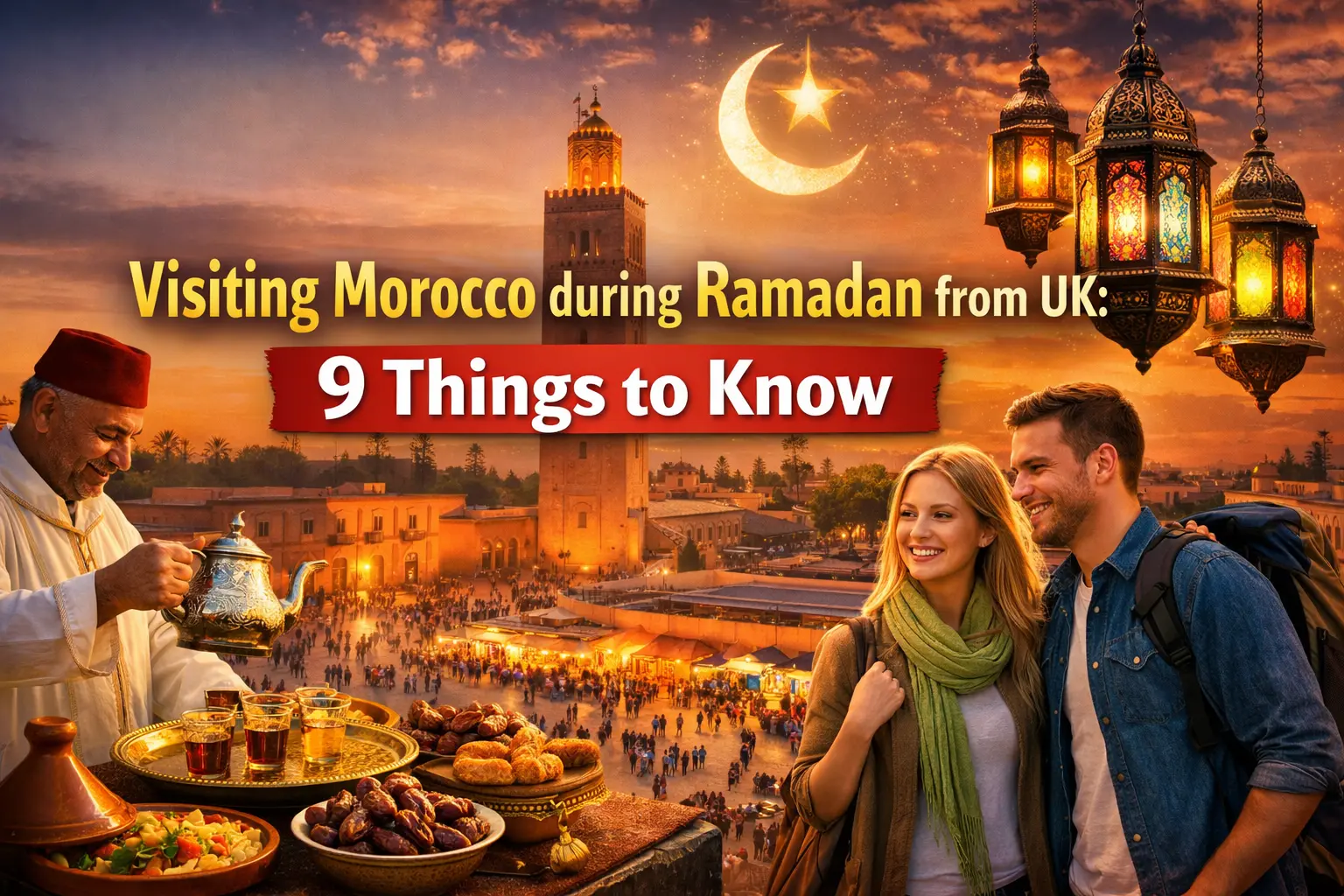
Visiting Morocco during Ramadan from UK: 9 Things to Know.
Have you ever wondered what it’s like to experience Morocco’s rich culture during one of its most sacred and transformative times of the year? Visiting Morocco during Ramadan from UK offers travelers a unique opportunity to witness authentic Moroccan traditions, spiritual devotion, and incredible hospitality that transcends the typical tourist experience. During Ramadan, the ninth month of the Islamic calendar, Morocco transforms into a land of evening festivities, communal iftars (breaking of the fast), and deeply rooted cultural practices that date back centuries. While some travelers may hesitate about timing their Moroccan adventure during this holy month, those who embrace the experience discover a side of Morocco that remains hidden during other times of the year.
The streets come alive after sunset with vibrant markets, traditional foods, and a sense of community that welcomes visitors with open arms. Whether you’re planning to explore the bustling souks of Marrakech, wander through the ancient medinas of Fez, or relax along the coastal cities, visiting during Ramadan provides an unforgettable cultural immersion that will leave you with memories to cherish for a lifetime.
Table of Contents
Why Visit Morocco During Ramadan
Morocco during Ramadan presents a treasure trove of experiences that extend far beyond conventional sightseeing. Here’s what makes this destination exceptional during the holy month:
Cultural Immersion and Spiritual Atmosphere: Witness the spiritual devotion of Moroccan Muslims as they observe fasting from dawn to sunset. The mosques fill with worshippers for Tarawih prayers, creating an atmosphere of peace and reflection throughout the cities and villages.
Evening Festivities and Night Markets: After the sunset call to prayer (Maghrib), cities transform into vibrant celebrations. Night markets flourish with vendors selling traditional sweets like chebakia and sellou, while cafés overflow with families and friends gathering to break their fast together.
Authentic Culinary Experiences: Ramadan brings out Morocco’s finest traditional dishes. From harira soup (a rich tomato and lentil-based soup) to dates, msemen (Moroccan pancakes), and an array of pastries, you’ll taste authentic recipes passed down through generations.
Generous Hospitality: Moroccans are known for their warmth, but during Ramadan, hospitality reaches extraordinary levels. It’s common for travelers to be invited to share iftar meals with local families, providing genuine cultural exchange opportunities.
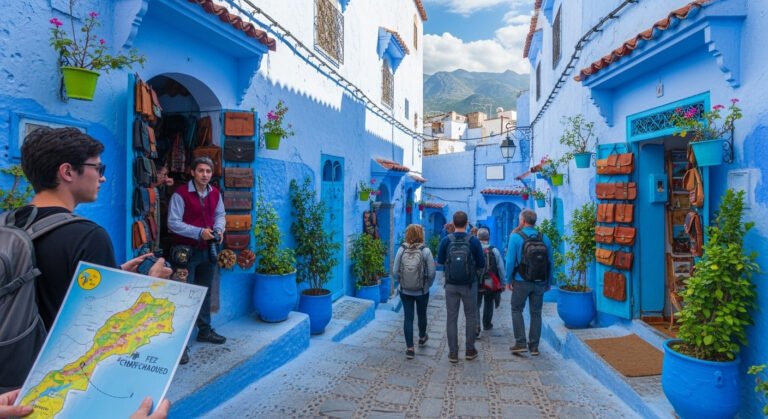
Reduced Crowds at Major Attractions: Many tourist sites experience lighter crowds during daytime hours in Ramadan, allowing you to explore popular destinations like Hassan II Mosque in Casablanca, the Blue City of Chefchaouen, or the Roman ruins of Volubilis with more space and tranquility.
Traditional Music and Entertainment: Special Ramadan concerts, religious chanting, and cultural performances occur throughout the month, showcasing Morocco’s rich musical heritage.
Shopping Opportunities: The pre-Eid shopping rush creates bustling markets where you can find traditional clothing, decorations, and handcrafted goods at competitive prices.
Charitable Acts and Community Spirit: Witness Morocco’s compassionate side through public iftars organized for the less fortunate, demonstrating the Islamic principle of charity (Zakat) in action.
Best Time to Visit Morocco During Ramadan
Understanding the timing of Ramadan and Morocco’s seasonal weather patterns will help you plan the perfect trip:
Ramadan Dates: Since the Islamic calendar is lunar-based, Ramadan shifts approximately 10-11 days earlier each year. In 2024, Ramadan is expected around March, while in 2025, it will likely fall in February. Check the exact dates before booking to ensure your visit aligns with the holy month.
Weather Considerations by Season:
– Spring Ramadan (February-April): Pleasant temperatures ranging from 15-25°C (59-77°F), ideal for exploring cities and desert regions. Coastal areas remain mild, making this an excellent time for comprehensive tours.
– Summer Ramadan (May-July): Expect warmer conditions, particularly inland. Cities like Marrakech and Fez can reach 35-40°C (95-104°F), making early morning and evening activities more comfortable. Coastal destinations like Essaouira offer cooler alternatives.
– Autumn Ramadan (August-October): Similar to spring with comfortable temperatures, reduced rainfall, and beautiful landscapes, especially in the Atlas Mountains and countryside.
– Winter Ramadan (November-January): Cooler temperatures averaging 10-18°C (50-64°F), with occasional rain in northern regions. Mountain areas may experience snow, offering unique experiences for winter travelers.
Peak vs. Low Season Travel:
During Ramadan, Morocco experiences a modified tourism pattern. International visitor numbers may decrease slightly, but domestic tourism increases as Moroccans visit family. The week before Eid al-Fitr (the celebration marking Ramadan’s end) sees heightened activity as locals prepare for the festivities.
Travel Costs: Flights from the UK during Ramadan can be more affordable compared to peak summer months (June-August) or Christmas holidays. Hotel rates typically remain stable or decrease slightly, except during the final week approaching Eid when prices may rise. Restaurant costs remain consistent, though many establishments offer special iftar menus at various price points. Budget travelers can find excellent value, with daily expenses ranging from £30-50, while mid-range travelers should budget £70-120 daily, and luxury travelers £150+.
Booking Advice: Book UK flights to Morocco Ramadan period at least 2-3 months in advance for better rates. Direct flights from London, Manchester, and Birmingham to Marrakech, Casablanca, and Fez operate regularly, with flight times averaging 3-4 hours.
Step-by-Step Travel Guide to Experiencing Morocco During Ramadan
Follow this comprehensive guide to ensure a smooth and enriching Ramadan experience when Visiting Morocco during Ramadan from UK:
Step 1: Research and Understand Ramadan Customs (2-3 months before travel)
Familiarize yourself with Islamic fasting practices and Moroccan Ramadan traditions. Learn basic Arabic greetings like “Ramadan Mubarak” (Blessed Ramadan) and “Saha Ftourkoum” (May your breaking of fast be healthy), which locals appreciate greatly.
Step 2: Book Flights and Accommodation (2-3 months in advance)
Secure your flights during off-peak hours if possible. Book accommodation in centrally located riads or hotels that offer courtyard dining areas where you can discreetly eat during daylight hours. Confirm whether your hotel provides meals during fasting hours, as some restaurants close until sunset.
Step 3: Plan Your Daily Itinerary Around Ramadan Schedule
Structure your days knowing that most Moroccans wake early for Suhoor (pre-dawn meal), work reduced hours, and break their fast around 6:30-7:30 PM depending on the season. Plan museum visits, shopping, and sightseeing for mid-morning to mid-afternoon when attractions are open but less crowded. Reserve evenings for experiencing iftar and exploring night markets.
Step 4: Prepare Respectfully
Pack modest clothing covering shoulders and knees. While non-Muslims aren’t required to fast, showing respect by avoiding eating, drinking, or smoking in public during daylight hours is greatly appreciated. Carry a water bottle and snacks in your bag for discreet consumption if needed.
Step 5: Arrange Airport Transfers
Pre-book airport transfers or familiarize yourself with taxi rates to avoid hassles after your flight. Many UK flights to Morocco Ramadan period arrive in the evening, coinciding with iftar time when transportation may be temporarily scarce.
Step 6: Experience Iftar
On your first evening, experience breaking the fast at a local restaurant or accept an invitation from Moroccan friends. Many restaurants offer special iftar menus starting around sunset. Begin with dates and milk following Moroccan tradition, then enjoy harira soup, followed by a variety of traditional dishes.
Step 7: Explore Evening Markets and Activities
After iftar, cities come alive. Explore souks that stay open late, attend cultural performances, or simply walk through illuminated streets where locals socialize and children play. Djemaa el-Fna square in Marrakech is particularly magical during Ramadan evenings.
Step 8: Visit Religious and Historical Sites
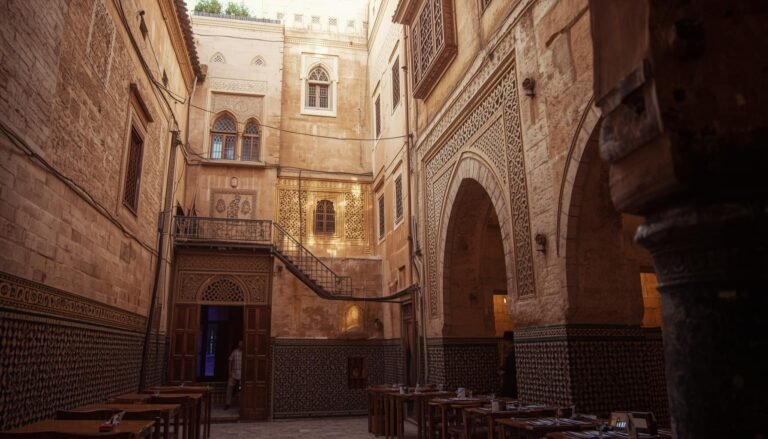
Plan visits to mosques (non-Muslims can typically only view exteriors except at Hassan II Mosque in Casablanca), madrasas, and historical sites. Guides can provide context about Ramadan’s significance in Moroccan culture.
Step 9: Participate in Charity Events
Some organizations and mosques organize public iftars for the needy. While primarily for those in need, respectful observers are sometimes welcomed, offering profound cultural insight.
Step 10: Prepare for Eid al-Fitr
If your trip extends to Eid (the three-day celebration following Ramadan), expect most businesses to close. Book accommodations and transport in advance. Eid offers spectacular celebrations, traditional foods, and festive atmospheres worth experiencing.
Benefits and Travel Experience Advantages
Choosing to visit Morocco during Ramadan provides numerous advantages that enhance your travel experience:
Authentic Cultural Understanding: Unlike visiting during regular months, Ramadan allows you to witness Morocco’s Islamic traditions practiced daily, providing deeper insight into the country’s cultural identity and values.
Extraordinary Culinary Journey: Ramadan showcases Morocco’s finest traditional cooking. Families prepare elaborate iftar meals with recipes perfected over generations, offering food experiences unavailable during other times.
Enhanced Photography Opportunities: The golden hour coinciding with iftar creates stunning lighting for photography. Streets adorned with Ramadan decorations, bustling night markets, and illuminated mosques offer endless photographic subjects.
Budget-Friendly Travel: With potentially lower flight costs, accommodation deals, and the opportunity to enjoy complimentary iftars through local hospitality, Ramadan can be an economical time to visit Morocco.
Meaningful Connections: The communal nature of Ramadan creates opportunities for genuine interactions with locals. Shared meals and conversations about faith, culture, and traditions foster lasting friendships.
Less Touristy Atmosphere: Experiencing Morocco during Ramadan feels less commercialized and more authentic, as local traditions take precedence over tourist-oriented activities.
Spiritual Enrichment: Even for non-Muslims, the atmosphere of reflection, charity, and community during Ramadan can be spiritually uplifting and provide perspective on different faith practices.
Tips, Alternative Ways to Explore, and Travel Advice
Maximize your Ramadan experience in Morocco with these practical suggestions:
For Different Traveler Types:
– Solo Travelers: Stay in social accommodations like riads where you can meet other travelers and potentially join them for iftar. Consider hiring a local guide for certain days to gain cultural insights and companionship.
– Families with Children: Explain Ramadan customs to children beforehand. Many Moroccan families are delighted to interact with foreign children, and kids often receive special treats during evening celebrations.
– Couples: Ramadan offers romantic evening strolls through beautifully lit streets and intimate iftar experiences. Book rooftop restaurant tables for sunset breaking of fast with stunning views.
– Adventure Seekers: Consider Atlas Mountain trekking or Sahara Desert tours with guides who can arrange appropriate meal times and cultural experiences in Berber villages observing Ramadan.
Budget Variations:
– Budget Conscious: Stay in hostels or budget riads, eat at local cafés during iftar (often offering fixed-price menus around £5-8), use public transport, and explore free attractions like medinas and markets.
– Mid-Range Travelers: Book comfortable riads with breakfast included, enjoy iftar at mid-range restaurants (£15-25 per person), take organized day trips, and allocate budget for quality souvenirs.
– Luxury Travelers: Reserve suites in five-star riads or hotels, enjoy private iftar experiences, hire private guides and drivers, and indulge in spa treatments during afternoon hours.
Guided vs. Self-Guided Options:
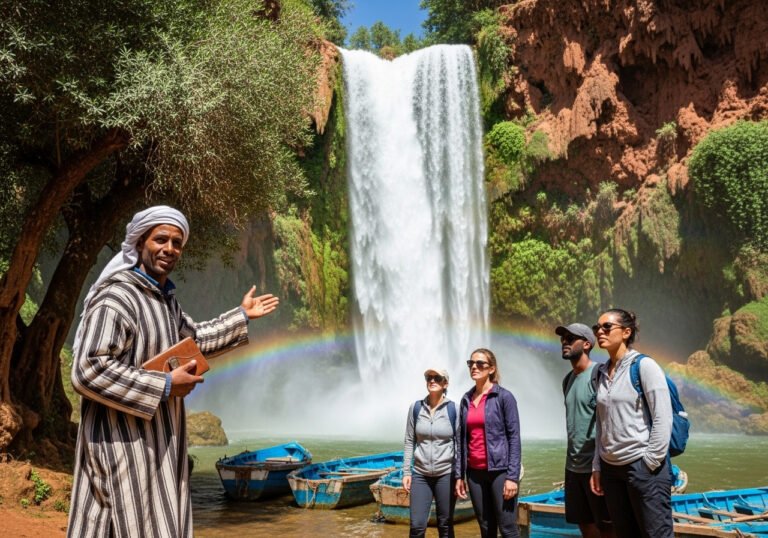
Self-guided exploration works well in major cities with good infrastructure, but hiring guides for historical sites, medina navigation, and desert excursions enhances understanding, especially during Ramadan when cultural context is valuable.
Seasonal Variations:
If Ramadan falls during hot months, focus mornings on indoor attractions like museums, spend midday hours resting at your accommodation, and reserve outdoor activities for evenings. During cooler Ramadan periods, enjoy comfortable all-day exploration.
Communication Tips:
Learn key Arabic phrases beyond greetings. Download translation apps that work offline. Many young Moroccans speak English or French, but showing effort to communicate in Arabic is appreciated.
Health Considerations:
Stay hydrated by drinking water in private. Carry hand sanitizer and tissues. If you have dietary restrictions, research Arabic terms for your allergies or preferences to communicate with restaurant staff.
Photography Etiquette:
Always ask permission before photographing people, especially during prayer times. Ramadan is deeply personal, so respect those who prefer not to be photographed during worship.
Common Travel Mistakes to Avoid
Avoid these frequent errors to ensure a smooth Moroccan Ramadan experience:
Mistake 1: Eating or Drinking Publicly During Fasting Hours
Solution: While you’re not required to fast, consume food and beverages discreetly in private spaces like your hotel room. Some tourist restaurants remain open but often have curtained areas for daytime diners.
Mistake 2: Arriving Hungry at Sunset Without a Plan
Solution: Research and book iftar locations in advance, especially in smaller cities where options may be limited. Alternatively, purchase food before sunset to enjoy at your accommodation.
Mistake 3: Expecting Regular Business Hours
Solution: Anticipate that shops, banks, and offices operate on reduced schedules. Banks often close early afternoon, so exchange currency in the morning. Many shops close 2-3 hours before iftar and reopen late evening.
Mistake 4: Underestimating Evening Energy
Solution: Don’t schedule early morning activities after late Ramadan nights. Moroccan cities stay vibrant until 2-3 AM during Ramadan, and you’ll want to participate in evening festivities without exhausting yourself.
Mistake 5: Inappropriate Clothing Choices
Solution: Pack modest, respectful clothing. Ramadan emphasizes religious devotion, making conservative dress even more important than during other months.
Mistake 6: Not Carrying Cash
Solution: Many smaller restaurants and market vendors don’t accept cards. ATM queues can be long before Eid, so withdraw sufficient cash early in your trip.
Mistake 7: Over-Planning Your Itinerary
Solution: Build flexibility into your schedule. The relaxed pace during Ramadan, delayed openings, and spontaneous iftar invitations mean rigid itineraries often require adjustment.
Mistake 8: Forgetting About Eid Closures
Solution: If visiting during the final Ramadan days, prepare for Eid when most businesses, attractions, and transport services close for 2-3 days. Stock up on essentials and enjoy the festive atmosphere.
Mistake 9: Being Unaware of Prayer Times
Solution: Download a prayer times app or ask your accommodation for the schedule. Understanding when prayers occur helps you plan around temporary closures and respectfully navigate public spaces.
Mistake 10: Missing Pre-Dawn Sahoor Experiences
Solution: If you’re an early riser or willing to wake up, experiencing the pre-dawn meal atmosphere offers unique cultural insight. Some cities have drummers walking the streets to wake residents for Sahoor—a tradition worth witnessing.
Accommodation and Practical Information
Selecting the right accommodation and understanding practical logistics ensures comfort during your Ramadan visit:
Where to Stay:
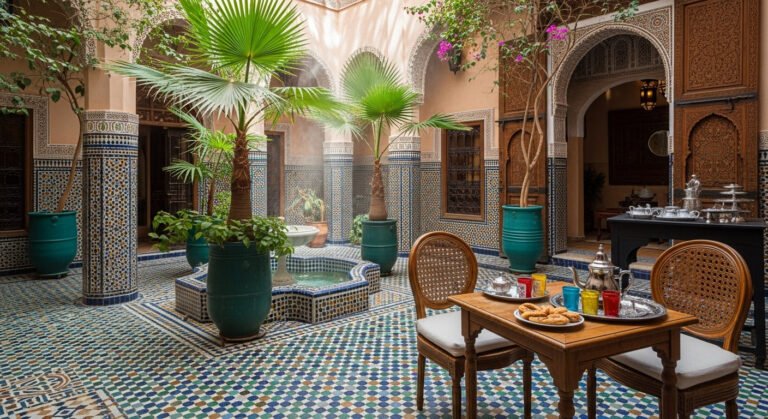
– Traditional Riads: These Moroccan guesthouses offer authentic experiences with central courtyards, often in medina locations. Many provide iftar meals for guests, creating communal dining experiences. Expect to pay £40-150 per night depending on luxury level.
– International Hotels: Chains like Sofitel, Marriott, and Hyatt offer familiarity with amenities like pools, spas, and restaurants that may serve during daylight hours for non-fasting guests. Prices range from £80-300 per night.
– Budget Hostels: Backpacker-friendly options in major cities cost £10-25 per night for dorms, £30-50 for private rooms. These often have communal kitchens where you can discreetly prepare meals during fasting hours.
– Desert Camps: If venturing to the Sahara, luxury or standard camps provide unique Ramadan experiences with Berber communities. Prices range from £50-200 per person, including meals.
Transport Options:
– Domestic Flights: Royal Air Maroc operates flights between major cities. During Ramadan, schedules remain consistent, but book early for the Eid period.
– Trains: ONCF operates comfortable trains connecting Casablanca, Rabat, Marrakech, Fez, and Tangier. First-class offers air conditioning and reserved seating (£15-35 for major routes).
– CTM Buses: Reliable bus service covers most destinations. During Ramadan, buses may make iftar stops. Book tickets in advance (£5-20 for intercity routes).
– Grand Taxis: Shared taxis between cities offer flexibility but can be crowded. Negotiate prices beforehand (typically £5-15 per person for common routes).
– Private Drivers: Hiring private drivers provides comfort and flexibility, especially for groups. Expect £80-150 per day, including fuel.
– Urban Transport: Cities offer petit taxis (metered, £1-5 for short trips), trams in Rabat and Casablanca, and ride-sharing apps like Careem in major cities.
Local Customs and Etiquette:
– Greet with “Salam Alaikum” (peace be upon you) and respond with “Wa Alaikum Salam.”
– Use your right hand for eating and greeting (left hand is considered unclean)
– Remove shoes when entering homes or certain shops
– Dress modestly, especially during Ramadan
– Bargaining is expected in souks but not in fixed-price stores
– Accept tea offers—it’s a sign of hospitality
Safety Tips:
Morocco is generally safe for tourists. During Ramadan, crime rates often decrease. However, practice standard precautions: avoid displaying expensive items, stay aware in crowded markets, use registered taxis, and secure valuables in hotel safes. Women travelers should dress conservatively and may experience occasional attention—responding firmly but politely usually resolves issues.
Currency and Money:
– Currency: Moroccan Dirham (MAD)
– Exchange Rate: Approximately 12-13 MAD to 1 GBP (verify current rates)
– Exchange money at banks or official bureaux de change for better rates than airports or hotels
– ATMs are widely available in cities; inform your UK bank of travel plans to avoid card blocks
– Credit cards accepted in larger establishments, but cash is essential for souks, taxis, and small restaurants
Communication:
UK mobile providers offer roaming in Morocco, but purchasing a local SIM card from providers like Maroc Telecom, Orange, or Inwi is economical (around £5-10 for tourist packages with data). WiFi is available in most accommodations and cafés.
Essential Items to Pack:
– Modest clothing (long sleeves, pants/skirts below knee)
– Comfortable walking shoes for medina cobblestones
– Power adapter (Morocco uses European two-pin plugs, 220V)
– Sunscreen and hat for daytime exploration
– Small daypack for carrying water and snacks
– Hand sanitizer and toilet paper (public facilities vary)
– Headscarf for women visiting religious sites
– Reusable water bottle
– Offline maps downloaded on your phone
Health and Medical:
No special vaccinations required for Morocco from UK. Tap water isn’t recommended for drinking—stick to bottled water. Pharmacies (“Pharmacie”) are widely available and knowledgeable. Bring prescription medications in original packaging with a doctor’s note. Travel insurance is highly recommended.
Language:
Arabic and Berber are official languages, with French widely spoken in cities. English is increasingly common in tourist areas. Learning basic Arabic phrases enhances your experience and shows respect, especially during Ramadan.
Conclusion
Visiting Morocco during Ramadan from the UK offers an extraordinary travel experience that combines cultural immersion, authentic hospitality, and spiritual discovery in ways that ordinary tourist seasons simply cannot match. From sharing iftar meals with welcoming locals to exploring quieter daytime attractions and experiencing the vibrant nighttime energy that fills Moroccan streets after sunset, every aspect of Ramadan travel reveals deeper layers of this fascinating North African nation. The sacred month transforms Morocco into a living celebration of faith, community, and tradition—inviting travelers to witness centuries-old customs practiced with genuine devotion and joy.
Whether you’re drawn to the architectural wonders of imperial cities, the serene beauty of the Sahara Desert, the colorful chaos of ancient medinas, or the culinary delights of traditional Moroccan cuisine, experiencing these treasures during Ramadan adds profound meaning and memorable encounters with the local culture. The reduced tourist crowds, potential cost savings, extraordinary food experiences, and opportunities for authentic connection with Moroccan people make this timing ideal for travelers seeking substance beyond superficial sightseeing.
As you plan your Ramadan journey, remember that respectful awareness of Islamic customs, flexible scheduling around fasting hours, and openness to spontaneous cultural exchanges will enrich your adventure immeasurably. The friendships formed over shared meals, the insights gained through observing daily devotions, and the memories created during this special time will resonate long after you return to the UK.
Ready to embark on this transformative journey? Start researching flights, booking accommodations, and learning about Moroccan culture today. Your Ramadan adventure in Morocco awaits—an experience that promises to expand your worldview, challenge your assumptions, and create stories you’ll share for years to come. Share your own experiences or questions in the comments below, and don’t forget to explore our other Morocco travel guides for comprehensive planning resources!
FAQs
Q1: Can non-Muslims visit Morocco during Ramadan, and is it respectful to do so?
Absolutely! Morocco welcomes tourists year-round, including during Ramadan. Non-Muslims are not expected to fast, but showing respect by avoiding eating, drinking, or smoking in public during daylight hours is appreciated. Most Moroccans are delighted to share their culture with respectful visitors, often inviting tourists to join iftar meals. This can be one of the most enriching times to visit, offering authentic cultural experiences unavailable during other months.
Q2: Will restaurants and tourist attractions be open during Ramadan?
Many restaurants close during fasting hours but reopen at sunset, often offering special iftar menus. Some tourist-oriented restaurants remain open with discreet dining areas for non-fasting visitors. Major tourist attractions, museums, and historical sites maintain regular or slightly reduced hours, though they may close earlier in the afternoon. Hotels typically serve meals to guests throughout the day. Evening hours see increased activity, with shops and markets staying open later than usual. Plan your day accordingly, with sightseeing mid-morning to mid-afternoon and dining experiences after sunset.
Q3: How much should I budget for a week-long trip to Morocco during Ramadan from the UK?
Budget varies significantly based on travel style. Expect flights from the UK to cost £100-300 return during Ramadan (book early for best prices). Accommodation ranges from £10-25 per night for hostels, £40-100 for mid-range riads, and £150+ for luxury hotels. Daily expenses including meals, transport, and activities average £30-50 for budget travelers, £70-120 for mid-range, and £150+ for luxury. A week-long trip might cost £500-800 (budget), £1,000-1,500 (mid-range), or £2,000+ (luxury), including flights. Ramadan can actually be economical due to generous local hospitality and special iftar deals.
Q4: What should I wear when visiting Morocco during Ramadan?
Modest clothing is essential during Ramadan. Men should wear shirts with sleeves and long pants (shorts are acceptable in very casual tourist areas but not recommended). Women should cover shoulders, chest, and knees—loose-fitting pants, maxi skirts, or dresses paired with scarves work well. Avoid tight or revealing clothing. When visiting mosques or religious sites, women should cover their hair with a headscarf. Comfortable walking shoes are important for exploring medinas. While coastal resort areas may be slightly more relaxed, cities and rural areas expect conservative dress, especially during this holy month.
Q5: Is it safe to travel to Morocco during Ramadan, especially for solo female travelers?
Morocco is generally safe during Ramadan, with crime rates often decreasing due to the spiritual focus of the month. Standard travel precautions apply: avoid isolated areas at night, use registered taxis, secure valuables, and stay aware in crowded markets. Solo female travelers should dress modestly, walk confidently, and firmly but politely decline unwanted attention. Many women travel Morocco successfully during Ramadan. Staying in reputable accommodations, joining group tours for certain activities, and connecting with other travelers enhances safety and enjoyment. The increased family-oriented atmosphere during Ramadan often creates a welcoming environment for all travelers.
Book Your Morocco Trip
Find the best flights and hotels in Morocco on Trip.com—fast, flexible, and easy to use.