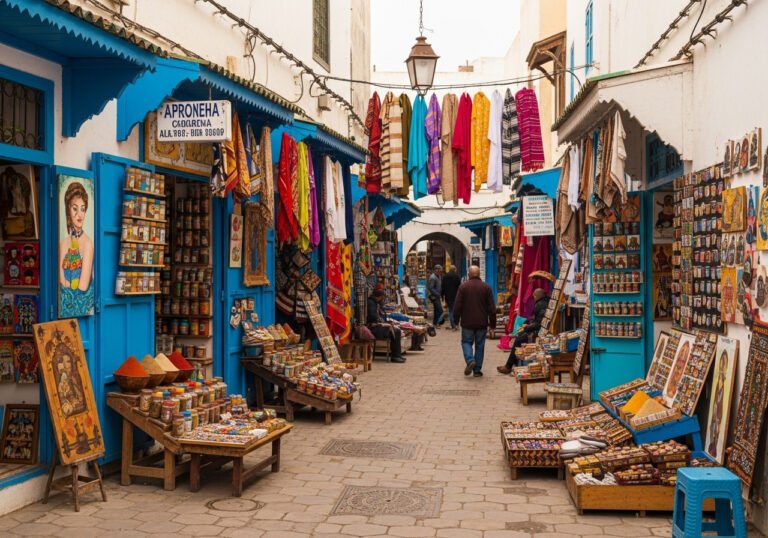
Best places for iftar in Marrakech: Ramadan iftar spots 2026
Have you ever wondered what it feels like to break your fast in one of the world’s most enchanting cities, where ancient traditions meet vibrant modern energy? Marrakech during Ramadan transforms into a magical tapestry of spiritual devotion, culinary excellence, and cultural celebration that captivates every traveler’s heart. The experience of sharing iftar—the evening meal that breaks the daily fast—in this Moroccan gem offers visitors an unparalleled opportunity to connect with local culture on a profoundly authentic level.
Table of Contents
Whether you’re a Muslim observing Ramadan or simply a curious traveler seeking meaningful cultural immersion, discovering the best places for iftar in Marrakech will enrich your journey with unforgettable flavors, warm hospitality, and memories that linger long after you’ve returned home. This comprehensive guide will navigate you through Marrakech’s finest iftar destinations, from hidden neighborhood gems to luxurious restaurant experiences, ensuring your Ramadan visit becomes one of your most cherished travel adventures.
Why Visit Marrakech During Ramadan
Marrakech during the holy month of Ramadan presents a completely different face of this already fascinating city. The atmosphere becomes charged with spiritual energy as the entire city adjusts its rhythm to the fasting schedule, creating unique opportunities for cultural discovery that simply don’t exist during other times of the year.
Cultural Immersion and Spiritual Experience
Witnessing Marrakech during Ramadan allows travelers to experience authentic Moroccan culture at its most intimate. The streets quiet during daytime fasting hours, then burst into life after sunset with communal celebrations that welcome strangers and locals alike. This spiritual dimension adds depth to your travel experience that goes beyond typical sightseeing.
Exceptional Culinary Discoveries
The iftar meal showcases Moroccan cuisine at its finest. Restaurants and households prepare elaborate spreads featuring traditional dishes that may not be as prominently featured during other months. From harira soup and dates to chebakia pastries and freshly baked bread, the culinary diversity becomes a highlight of your journey.
Unique Atmospheric Transformation
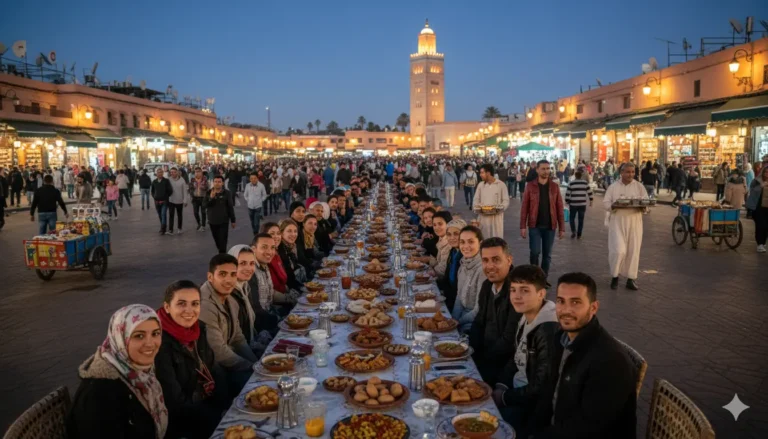
The call to prayer (adhan) at sunset carries special significance during Ramadan, followed immediately by the collective breaking of fast. Experiencing this moment—whether in a bustling Jemaa el-Fnaa square, a serene riad courtyard, or a neighborhood mosque—creates an emotional connection to the city that transcends ordinary tourism.
Charitable Spirit and Hospitality
Ramadan emphasizes charity (zakat) and community, meaning travelers often encounter extraordinary hospitality. Many establishments offer special iftar meals, and the communal spirit makes it easier to connect with locals who are eager to share their traditions with respectful visitors.
Architectural Beauty in Evening Light
Since much of Marrakech’s social life shifts to evening during Ramadan, you’ll experience the city’s stunning architecture—from the Koutoubia Mosque to the intricately decorated riads—illuminated beautifully against the night sky, creating perfect photography opportunities and romantic atmospheres.
Shopping Opportunities at Night Markets
The souks and markets stay open later during Ramadan, allowing you to explore the labyrinthine alleys when temperatures are cooler and the atmosphere more festive, with special Ramadan goods and decorations adding to the visual feast.
Spiritual Reflection and Personal Growth
Even for non-Muslim travelers, the contemplative atmosphere of Ramadan offers an opportunity for personal reflection, slowing down from hectic modern life, and appreciating simple pleasures like food, water, and community—values that resonate universally.
Best Time to Visit
Understanding Ramadan’s Timing
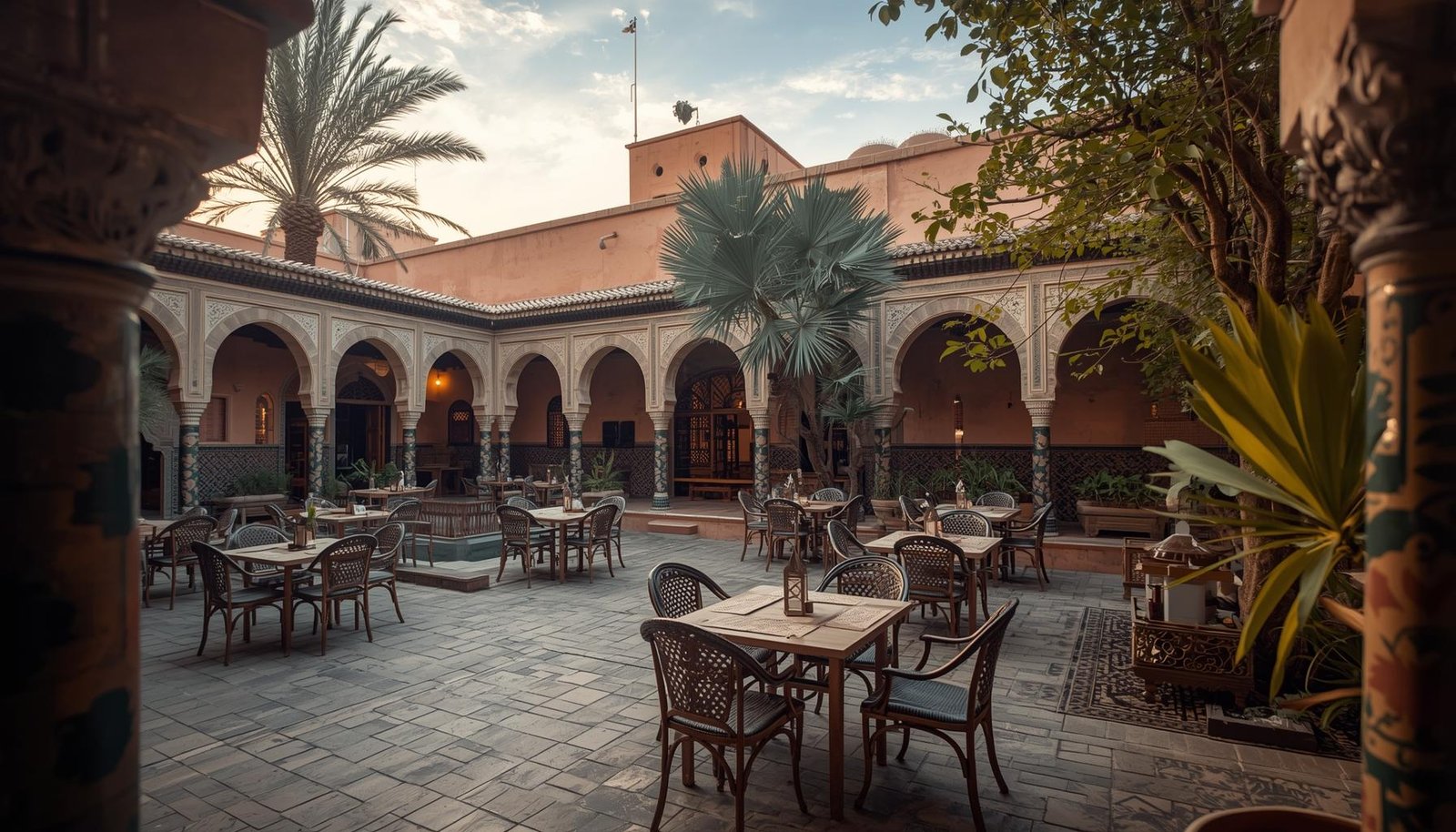
Ramadan follows the Islamic lunar calendar, meaning its dates shift approximately 10-11 days earlier each year in the Gregorian calendar. For 2025, Ramadan is expected to begin around late February and end in late March, while in 2026, it will likely occur in mid-February through mid-March. Planning your visit requires checking the exact dates for your intended year, as they vary annually.
Weather Considerations
When Ramadan falls in late winter or early spring (February-March), Marrakech enjoys pleasant temperatures ranging from 15-23°C (59-73°F) during the day, with cooler evenings around 8-12°C (46-54°F). This comfortable weather makes daytime exploration enjoyable, though you should pack layers for temperature variations. When Ramadan occurs during summer months, temperatures can exceed 38°C (100°F), making daytime activities more challenging, though evenings remain pleasant for iftar dining.
Peak vs. Low Season Impact
February and March typically fall within Marrakech’s high tourist season, meaning accommodation prices increase by 20-40% compared to off-peak months. However, during Ramadan specifically, some conventional tourists avoid visiting due to altered schedules, creating a unique middle ground where cultural travelers can find moderate prices alongside authentic experiences. Booking 2-3 months in advance ensures better rates and availability.
Budget Expectations
Mid-range travelers should budget approximately $80-150 per day including accommodation, meals, and activities during Ramadan. Luxury experiences can range from $200-500+ daily, while budget-conscious travelers can manage on $40-70 by staying in hostels and eating at local establishments. Iftar meals specifically range from 80-150 MAD ($8-15) at neighborhood restaurants to 300-600 MAD ($30-60) at upscale venues.
Optimal Visit Duration
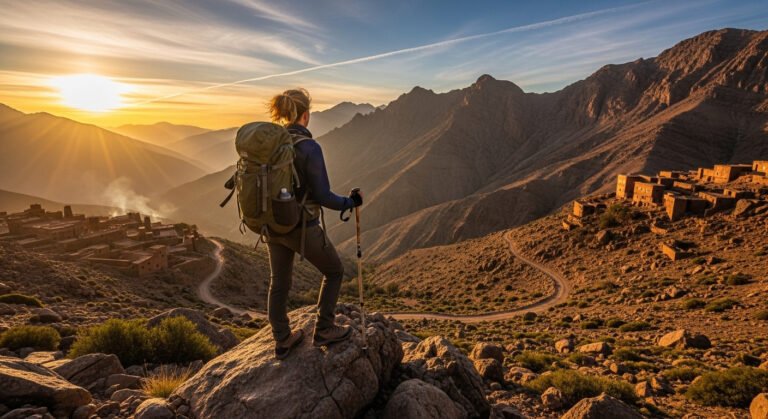
A 4-7 day visit allows sufficient time to experience Marrakech’s Ramadan atmosphere without feeling rushed. This duration lets you enjoy multiple iftar experiences across different neighborhoods, participate in nightly Tarawih prayers if interested, explore daytime attractions, and perhaps take a day trip to nearby destinations like the Atlas Mountains or Essaouira.
Shoulder Days Advantage
Arriving a day or two before Ramadan begins or extending your stay slightly past Eid al-Fitr (the celebration marking Ramadan’s end) offers perspective on how dramatically the city transforms. These shoulder days also provide opportunities to experience restaurants and attractions that might operate on modified schedules during the holy month.
Step-by-Step Travel Guide to Experiencing Iftar in Marrakech
Step 1: Research and Understand Ramadan Timing
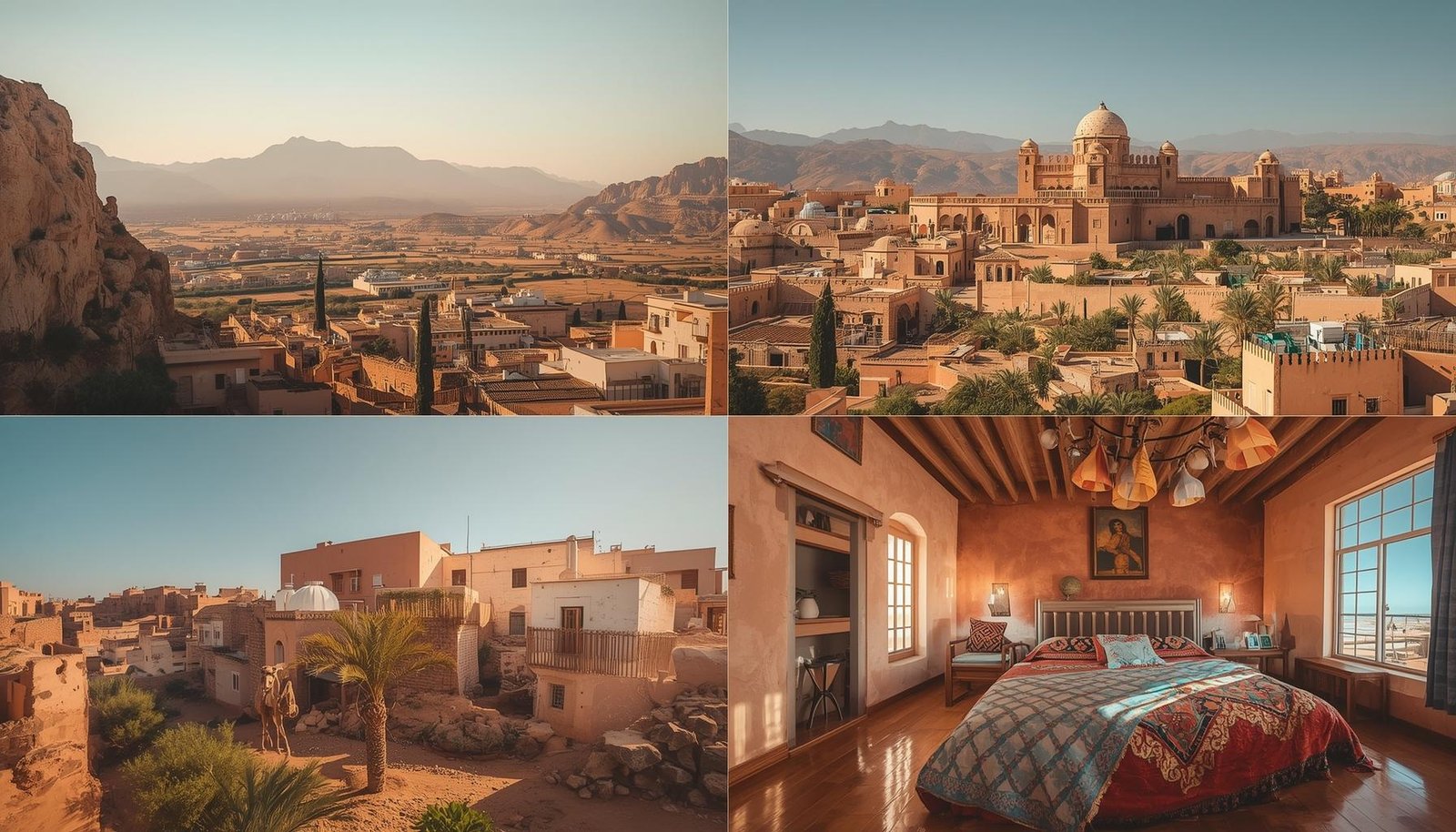
Before booking anything, confirm the exact Ramadan dates for your travel year, as these depend on lunar sightings and may vary by a day or two from predictions. Download a prayer time app for Marrakech to know precisely when iftar occurs each day—typically between 6:00-7:30 PM depending on the time of year. Understanding this rhythm helps you plan daily activities around the unique schedule.
Step 2: Book Accommodation Strategically
Choose accommodation in or near the Medina for easy access to the best iftar locations, or select a riad with in-house iftar offerings for a more intimate experience. Many riads prepare special Ramadan meals for guests with advance notice. When booking, specifically ask about Ramadan services, meal timings, and whether breakfast will be served (many establishments offer late breakfast since guests often wake later after nightly activities).
Step 3: Plan Your Daily Schedule Around Fasting Hours
Design your itinerary knowing most restaurants close during daylight hours, though tourist-oriented cafes in Gueliz and some hotel restaurants remain open for non-fasting visitors. Schedule intensive sightseeing for morning hours (9 AM-1 PM) when sites are less crowded, rest during afternoon heat, then prepare for evening activities. Museums and palaces often maintain normal hours but may close earlier to allow staff to prepare for iftar.
Step 4: Research and Select Your Iftar Venues
Diversify your iftar experiences by booking a mix of venues: try at least one luxurious hotel iftar buffet, one traditional neighborhood restaurant, one street food experience at Jemaa el-Fnaa, and if possible, one authentic home-cooked iftar through local connections or platforms like EatWith. For popular venues, especially hotel buffets, make reservations 24-48 hours in advance. To explore the Best places for iftar in Marrakech, consider creating a dining shortlist that includes both established restaurants and hidden neighborhood gems recommended by locals.
Step 5: Navigate Transportation Timing
Understand that traffic becomes extremely congested in the 30 minutes before iftar as everyone rushes home. If you’re traveling across the city, allow double the normal time or plan to arrive at your iftar destination at least 45 minutes early. Taxis become scarce right before sunset, so arrange transportation well in advance. Many visitors find that staying within walking distance of their accommodation during iftar time reduces stress.
Step 6: Respect Cultural Protocols
Even if you’re not fasting, show respect by avoiding eating, drinking, or smoking in public during daylight hours. Dress modestly, especially when visiting religious sites or traditional neighborhoods—covering shoulders and knees is appropriate. When invited to someone’s home for iftar, arrive on time, bring a small gift (pastries or dates are perfect), and wait for your host to begin eating before you start.
Step 7: Experience the Iftar Moment
Arrive at your chosen venue 15-30 minutes before sunset. Most establishments serve dates and water or milk immediately, followed by harira soup and chebakia sweets—this initial breaking of the fast is called “ftour.” After Maghrib prayer (about 15 minutes after sunset), the full meal is served. Pace yourself, as iftar meals are abundant and multi-course. Engage with fellow diners, as the communal aspect is central to the experience.
Step 8: Explore Post-Iftar Marrakech
After dining, Marrakech comes alive in ways unique to Ramadan. Stroll through the Medina to see shops reopening and families socializing. Visit Jemaa el-Fnaa, which buzzes with energy until late. Many travelers attend Tarawih prayers at major mosques like Koutoubia (non-Muslims can observe respectfully from designated areas). Cafes serve traditional Ramadan beverages like almond milk and dates smoothies late into the night.
Step 9: Try Late-Night Suhoor
For the complete experience, wake before dawn (around 4-5 AM) to try suhoor—the pre-fast meal. Several 24-hour cafes and some hotels offer suhoor options. This quieter, contemplative meal provides another dimension to understanding Ramadan’s rhythm. Even if you’re not fasting, experiencing this peaceful pre-dawn atmosphere offers unique insight into the spiritual practice.
Step 10: Document and Reflect
Keep a travel journal or photo diary of your iftar experiences, noting the dishes, atmospheres, and conversations. Many travelers find that sharing iftar in Marrakech becomes one of their most meaningful travel memories. Consider writing reviews or sharing recommendations to help future travelers seeking Ramadan restaurants Marrakech discover these special experiences.
Benefits and Travel Experience Advantages
Authentic Cultural Connection
Experiencing iftar in Marrakech provides genuine cultural immersion that superficial tourism cannot match. You’re participating in a daily ritual that holds deep meaning for over 99% of Morocco’s population, creating bridges of understanding that transcend language and background. This authentic engagement often leads to lasting friendships and invitations into local homes that wouldn’t occur during conventional tourist visits.
Culinary Education and Diversity
Ramadan showcases Moroccan cuisine’s full spectrum. You’ll taste traditional dishes prepared with extra care and quality ingredients, many of which are specifically associated with this holy month. Learning about the symbolic significance of foods like dates (traditionally the first food to break the fast, following Prophet Muhammad’s example) and harira soup (providing warmth and nourishment) enriches your gastronomic education.
Value for Money
Many upscale hotels and restaurants offer iftar buffets that, while not cheap, provide exceptional value compared to their regular à la carte pricing. For 300-400 MAD ($30-40), you can access gourmet buffets at five-star properties that would cost significantly more during normal times. This makes luxury dining accessible to mid-range travelers.
Spiritual and Personal Growth
The contemplative atmosphere of Ramadan offers space for personal reflection even for non-Muslim visitors. Many travelers report that the experience encourages them to slow down, practice gratitude, and reconsider their relationship with consumption and community—lessons that extend far beyond the trip itself.
Photography Opportunities
Ramadan in Marrakech creates unique visual moments: tables being set up in the streets at sunset, the golden-hour call to prayer, beautifully decorated mosques and riads with Ramadan lanterns, and the collective joy of breaking fast. These scenes provide extraordinary photography subjects unavailable during other times.
Social Connection and Hospitality
The emphasis on community during Ramadan means you’re more likely to be invited to join local families, strike up conversations with strangers, and experience Moroccan hospitality at its warmest. The barriers between tourist and local soften during this communal period.
Lesser-Crowded Attractions
While tourist numbers don’t drastically drop, the shift in daily rhythms means popular attractions are notably quieter during afternoon hours when locals are resting before iftar. You might have places like Bahia Palace or Saadian Tombs almost to yourself during these times.
Tips, Alternative Ways to Explore, and Travel Advice
For First-Time Visitors to Ramadan
If this is your first experience with Ramadan, start with a hotel iftar buffet where service is structured for international guests before venturing into more traditional neighborhood restaurants. This progression allows you to understand the iftar format comfortably before navigating less tourist-oriented environments.
Budget-Friendly Iftar Options
For economical yet authentic experiences, head to neighborhood mosques that often set up free community iftar tents welcoming everyone, including respectful non-Muslim visitors. Alternatively, the food stalls at Jemaa el-Fnaa offer delicious and affordable iftar options for 50-100 MAD ($5-10), with the added benefit of the square’s incredible atmosphere.
Luxury Ramadan Experience
High-end travelers should consider the iftar offerings at La Mamounia, Royal Mansour, or Four Seasons, where elaborate buffets feature live cooking stations, premium ingredients, and elegant ambiance. Some luxury riads offer private iftar dinners in their courtyards with personalized menus—arrange these directly with property managers.
Family Travel Considerations
Traveling with children during Ramadan works well as the festive evening atmosphere appeals to younger travelers. The breaking of fast with dates and sweets particularly excites children. However, keep snacks and water in your bag for kids during daytime, as they obviously shouldn’t be expected to fast. Many family-friendly restaurants accommodate children’s needs discreetly.
Solo Traveler Advantages
Solo travelers often find Ramadan an ideal time to visit Marrakech, as the communal nature of iftar means you’re rarely eating alone. Dining at shared tables in riads or community iftars facilitates conversation and connection with fellow travelers and locals alike.
Joining a Food Tour
Several specialized food tours operate during Ramadan, offering guided experiences that navigate the best iftar spots while providing cultural context. These tours remove the guesswork from finding authentic venues and often include behind-the-scenes access to kitchens or homes.
Combining Marrakech with Other Destinations
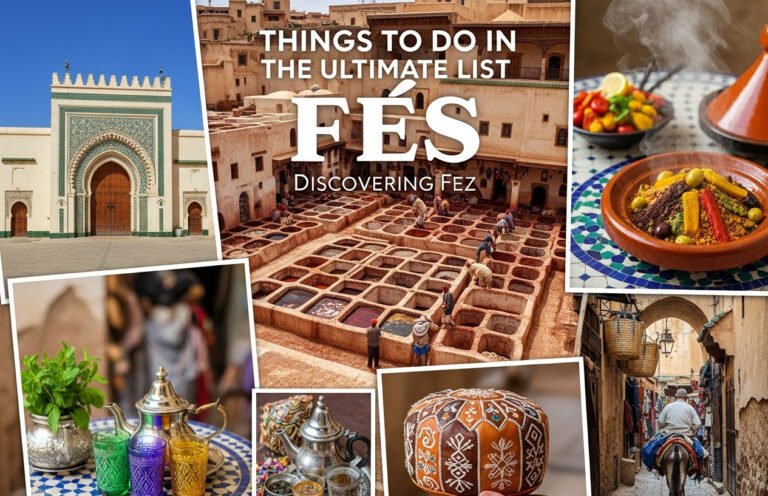
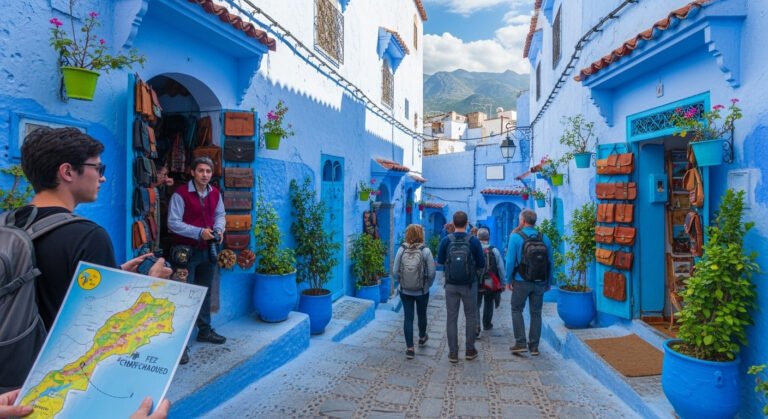
If your schedule allows, combine your Marrakech Ramadan experience with a visit to Fes (another excellent city for Ramadan) or a post-Ramadan beach break in Essaouira. This provides cultural balance and allows you to experience both the spiritual intensity of Ramadan and post-celebration relaxation.
Learning Basic Arabic Phrases
Knowing simple phrases enhances your experience: “Ramadan Mubarak” (blessed Ramadan), “Shukran” (thank you), and “Saha ftourkoum” (roughly, “may your breaking of fast be good”) will elicit warm smiles and appreciation from locals.
Dietary Restrictions Navigation
Vegetarians and those with dietary restrictions should communicate clearly, as many traditional iftar dishes contain meat. However, Moroccan cuisine includes excellent vegetarian options like zaalouk (eggplant salad), taktouka (pepper and tomato), and various couscous preparations. Vegans may find the going tougher, as dairy and honey feature prominently, but larger hotels can usually accommodate with advance notice.
Connecting with Local Guides
Consider hiring a cultural guide for at least one evening who can facilitate authentic iftar experiences, perhaps arranging a home visit or explaining the deeper significance of rituals you’re observing. This investment significantly deepens your understanding.
Common Travel Mistakes to Avoid
Mistake 1: Not Planning Around Iftar Time
Many travelers underestimate how significantly iftar time affects the city’s functioning. Scheduling a taxi ride across town 30 minutes before sunset or expecting to leisurely shop in the souks at 6:45 PM leads to frustration.
Solution: Build your daily schedule around the iftar time (check daily as it changes slightly). Complete shopping and transportation before 5:30 PM, or plan to arrive at your destination well before sunset. Alternatively, embrace the quiet afternoon hours for rest and indoor activities.
Mistake 2: Eating or Drinking Publicly During Fasting Hours
While Marrakech is relatively tourist-friendly, publicly consuming food or beverages during daylight Ramadan hours shows disrespect and may offend locals, even in tourist areas.
Solution: Eat discreetly in your accommodation or in specifically designated tourist cafes. If you need water on a hot day, step into a private area or your hotel. This small courtesy demonstrates cultural sensitivity that locals greatly appreciate.
Mistake 3: Arriving Exactly at Iftar Time
Showing up at a restaurant precisely at sunset means you’ll miss the traditional breaking of fast with dates and water, and service will be overwhelmed as everyone arrives simultaneously.
Solution: Arrive 15-30 minutes before iftar time. You’ll witness the anticipatory atmosphere, enjoy a more relaxed table selection, and participate in the proper sequence of the meal from its ceremonial beginning.
Mistake 4: Overeating at First Course
The initial spread of dates, sweets, soups, and appetizers is so tempting that many visitors fill up before the main courses arrive, missing out on the meal’s full experience.
Solution: Pace yourself deliberately. The initial ftour (dates, milk, soup) is meant to be moderate after a day of fasting. Save appetite for the tagines, couscous, and other main dishes that follow after the prayer break.
Mistake 5: Under-Booking Accommodation Options
Some travelers assume that fewer tourists during Ramadan means easy last-minute booking, but good riads and hotels actually fill quickly with visitors specifically seeking the Ramadan experience, plus wealthy Gulf tourists who favor Morocco during this period.
Solution: Book accommodation at least 6-8 weeks in advance, particularly in boutique properties with limited rooms. Confirm that your chosen place will be fully operational during Ramadan, as some smaller establishments take the month off.
Mistake 6: Expecting Normal Business Hours
Many shops, especially in the souks, close during the afternoon, and some businesses operate on completely altered schedules, catching unprepared tourists off guard.
Solution: Research or ask your hotel about specific opening hours for places you want to visit. Government offices and banks often work shorter hours. Tourist attractions generally maintain schedules but may close 30-60 minutes earlier.
Mistake 7: Dressing Inappropriately
While Marrakech is cosmopolitan, Ramadan heightens religious sensitivity. Shorts, tank tops, and revealing clothing that might pass unremarked during other months can attract unwanted attention or create awkwardness during Ramadan.
Solution: Dress modestly during Ramadan—covered shoulders and knees for both genders is appropriate. This isn’t just respectful; you’ll also receive warmer hospitality when dressed conservatively. You can still be stylish while being modest.
Mistake 8: Missing the True Iftar Experience
Some tourists stick entirely to international hotel buffets, missing the authentic neighborhood and home-cooked iftar experiences that define Ramadan in Marrakech.
Solution: Balance your iftar venues between luxury hotel experiences and authentic local restaurants or community iftars. Ask your riad owner or guide about neighborhood mosques offering free community iftars where respectful visitors are welcome.
Mistake 9: Ignoring Hydration During the Day
Even though you’re not fasting, the pre-occupation with Ramadan schedules causes some travelers to forget to drink water during Marrakech’s warm days, leading to dehydration and fatigue.
Solution: Carry a water bottle and drink regularly throughout the day, just do so discreetly. Your hotel room should be your primary eating and drinking location during daytime hours.
Mistake 10: Failing to Confirm Restaurant Reservations
During Ramadan, even restaurants that don’t typically require reservations may be fully booked for iftar, especially on weekends and the last ten days of Ramadan.
Solution: Make reservations for any restaurant you specifically want to experience, ideally 24-48 hours ahead. Confirm by phone on the day of your reservation, as schedules can be flexible during Ramadan.
Accommodation and Practical Information
Where to Stay: Neighborhood Guide
The Medina offers the most authentic Ramadan experience, placing you within walking distance of major iftar venues and allowing you to hear the call to prayer echoing through ancient streets. Traditional riads here range from budget options (400-800 MAD per night) to luxury properties (2,000-5,000+ MAD). The Medina’s labyrinthine nature means you’re immersed in local life, though navigation can be challenging initially.
Gueliz, the modern quarter, provides more conventional hotels with reliable amenities, easier navigation, and restaurants that remain open during daytime for non-fasting guests. This area works well for travelers who want some distance from the intense Medina atmosphere while still being close enough (10-15 minute taxi) to experience it fully for iftar.
Hivernage offers upscale hotels including La Mamounia and Es Saadi, perfect for luxury travelers seeking world-class iftar buffets on-site. This neighborhood provides resort-like comfort with proximity to both the Medina and modern Marrakech.
The Palmeraie district, outside central Marrakech, features luxury resort properties ideal for travelers wanting a tranquil base with excursions into the city for selected iftar experiences rather than staying immersed in the Ramadan atmosphere constantly.
Transportation Navigation
Taxis in Marrakech operate on meters, though drivers often prefer to negotiate fixed prices with tourists. Insist on the meter or agree on prices before departure. From the airport to the Medina center costs approximately 70-100 MAD ($7-10). During Ramadan, particularly in the hour before iftar, taxi availability plummets as drivers rush home. Plan accordingly by arranging transportation early or accepting that you may need to walk.
Many riads offer airport pickup services (150-250 MAD) which, while pricier than taxis, eliminates negotiation and ensures someone meets you. This service is particularly valuable if you’re arriving at night when navigating Medina alleyways becomes challenging.
Within the Medina, walking is your primary transportation. The maze-like streets prohibit vehicles, making comfortable walking shoes essential. Many riads offer to meet guests at nearby accessible points to guide them through the final alleyways to the property.
Ride-hailing apps like Careem and local alternatives function in Marrakech and can be more reliable than street taxis, especially during busy iftar times.
Currency and Financial Matters
Morocco’s currency is the Dirham (MAD), trading at approximately 10 MAD to 1 USD (rates fluctuate). While credit cards are accepted at hotels, upscale restaurants, and some tourist-oriented businesses, cash remains essential for souks, neighborhood eateries, taxis, and tips.
ATMs are widely available, with reliable options in Gueliz and near major Medina squares. Withdraw larger amounts to minimize fees, and notify your bank of travel dates to prevent card blocks.
Tipping (“baksheesh”) is customary: 10-20 MAD for helpful directions or small services, 10-15% at restaurants if service isn’t included, 100-200 MAD for private guides, and 20-50 MAD for hotel staff assisting with luggage or special services.
Local Customs and Cultural Sensitivity
During Ramadan, respect for fasting is paramount. Beyond not eating publicly, refrain from smoking outdoors during daylight hours. Loud music and public displays of affection are inappropriate during this spiritual time.
Greetings matter: handshakes are standard among men, while women should wait to see if a Moroccan woman extends her hand first (many prefer verbal greetings with no physical contact between genders).
Remove shoes when entering someone’s home and most mosques (non-Muslims can enter some mosques outside prayer times during Ramadan, though most remain closed to non-Muslims—the Hassan II Mosque in Casablanca being a notable exception).
Photography requires sensitivity—always ask permission before photographing people, and absolutely avoid photographing anyone eating or drinking during fasting hours if you encounter non-observers.
Safety and Health Considerations
Marrakech is generally safe for tourists, with violent crime rare. However, petty theft and aggressive sales tactics in tourist areas do occur. Keep valuables secure, avoid displaying expensive jewelry or electronics, and be cautious in crowded areas.
During Ramadan, the atmosphere is actually often calmer during daylight hours with reduced street activity. Evenings become busier but maintain a family-friendly atmosphere.
Health-wise, drink only bottled water, be cautious with street food hygiene (though Ramadan often means higher standards as families purchase from these vendors), and bring any prescription medications with you as pharmacies may have reduced hours.
Travel insurance covering medical emergencies is essential. The main hospital is Polyclinique du Sud in Hivernage, while many hotels can recommend English-speaking doctors.
Communication and Language
Arabic and Berber are official languages, with French widely spoken in tourist areas. English is increasingly common in hotels and tourist-oriented businesses but remains limited in neighborhood eateries and souks.
Learning basic phrases helps immensely: “Salam alaikum” (peace be upon you—greeting), “Shukran” (thank you), “B’shhal?” (how much?), “La shukran” (no thank you—useful for persistent vendors).
Mobile phone coverage is excellent. Purchase a local SIM card from Maroc Telecom, Orange, or Inwi at the airport or in town (approximately 50-100 MAD with data) for convenient communication and navigation. Most accommodations offer Wi-Fi, though speeds vary.
Essential Items to Pack
Beyond typical travel items, Ramadan in Marrakech warrants specific preparations: modest clothing that covers shoulders and knees, comfortable walking shoes for Medina exploration, a small daypack for water and essentials, sunscreen and hat for daytime sightseeing, a light jacket for cool evenings, hand sanitizer and tissues (public restrooms vary in quality), and a portable battery pack as you’ll likely use your phone extensively for photos and navigation.
Consider bringing small gifts from your home country if you anticipate being invited to local homes—specialty food items, picture books showing your city, or quality chocolates work well.
Conclusion
Experiencing iftar in Marrakech offers far more than excellent dining—it provides a window into the soul of Moroccan culture, where spiritual devotion, culinary tradition, and communal joy converge in ways that transform ordinary travel into profound human connection. From the moment the call to prayer echoes across ancient rooftops to the collective breaking of fast with sweet dates and nourishing soup, you’ll participate in rituals that have sustained communities for centuries.
Whether you choose the opulent iftar buffets of luxury hotels, the authentic warmth of neighborhood restaurants, or the humble generosity of community tents, each experience enriches your understanding of Morocco’s living traditions. The city’s unique Ramadan rhythm—quiet contemplation during the day giving way to joyous celebration after sunset—creates a memorable backdrop for exploration that highlights both the best places for iftar in Marrakech and the deeper values of gratitude, patience, and generosity that define this special month.Beyond the practical tips and step-by-step guides provided here, remember that your openness to new experiences and respect for local customs will be your most valuable assets. As you navigate the enchanting chaos of Jemaa el-Fnaa after iftar or savor perfectly spiced tagine in a candlelit riad courtyard, you’re not just touring Morocco—you’re being welcomed into its heart. Now is the time to plan your journey, research the Ramadan restaurants Marrakech has to offer, book your accommodations thoughtfully, and prepare for a travel experience that transcends typical tourism to touch something more meaningful. Will you answer the call to adventure and discover Marrakech during its most spiritually vibrant season?
FAQs
Is it appropriate for non-Muslims to visit Marrakech during Ramadan?
Absolutely yes. Morocco welcomes respectful tourists during Ramadan, and experiencing this holy month can be one of your most meaningful travel experiences. The key is showing cultural sensitivity: don’t eat, drink, or smoke in public during fasting hours, dress modestly, and approach the experience with genuine curiosity and respect rather than as mere spectacle. Many locals appreciate when visitors take interest in their traditions and are often delighted to explain customs and share iftar meals. Several restaurants and all hotels remain open to serve non-fasting guests discreetly during the day, so you won’t go hungry. The enhanced hospitality during Ramadan often means tourists receive especially warm welcomes.
How much should I budget for iftar meals in Marrakech?
Iftar meal costs vary dramatically based on venue choice. Budget options include street food at Jemaa el-Fnaa or neighborhood cafes (50-100 MAD/$5-10), offering authentic experiences with harira, dates, msemen, and perhaps a tagine. Mid-range restaurant iftars cost 150-300 MAD ($15-30) and provide more extensive traditional spreads in comfortable settings. Upscale hotel buffets at properties like La Mamounia, Es Saadi, or Four Seasons range from 400-800 MAD ($40-80) but offer exceptional variety, premium ingredients, live cooking stations, and luxurious ambiance representing outstanding value compared to their regular pricing. Community iftars at mosques are free but accepting donations is appropriate (20-50 MAD). For a week-long stay experiencing diverse options, budget approximately 200-300 MAD per person per day for iftar meals.